Water pressure regulator replacement cost: quote checklist
Quick answer
A standard water pressure regulator replacement often falls between $200 and $700, based on current national cost-guide ranges. Treat that as a planning range, not a quote: access, pipe condition, valve size, permit rules, thermal-expansion work, and changes to the shutoff assembly can materially change the total.
Common questions
- How much does it cost to replace a water pressure regulator?
- HomeAdvisor's current national cost guide lists $200 to $700 as the normal range for a residential replacement. Difficult access, larger valves, damaged piping, a failed shutoff, permit requirements, or added expansion-control work can move the total outside that range.
- Can a plumber adjust a pressure regulator instead of replacing it?
- Sometimes. Adjustment or a model-specific service kit may be reasonable when the valve body is sound and testing identifies a correctable setting or internal part. Replacement is more defensible when the body leaks, corrosion is severe, parts are unavailable, or the valve cannot hold the required pressure after other causes are excluded.
- Should a homeowner replace a water pressure regulator?
- This work interrupts and opens the pressurized main water supply. Watts directs licensed-contractor installation for the valve referenced here, and local permit and licensing rules vary. Homeowners can document readings and access, but a qualified plumber should confirm diagnosis and scope.
Source note: The $200 to $700 planning range was checked September 7, 2026 against HomeAdvisor's national cost guide. Replacement scope and range context were checked against Fixr and This Old House; technical boundaries were checked against EPA service-pressure guidance, the International Plumbing Code, and Watts installation instructions. Local code, the installed-valve manual, and a site-specific plumbing quote control the work.
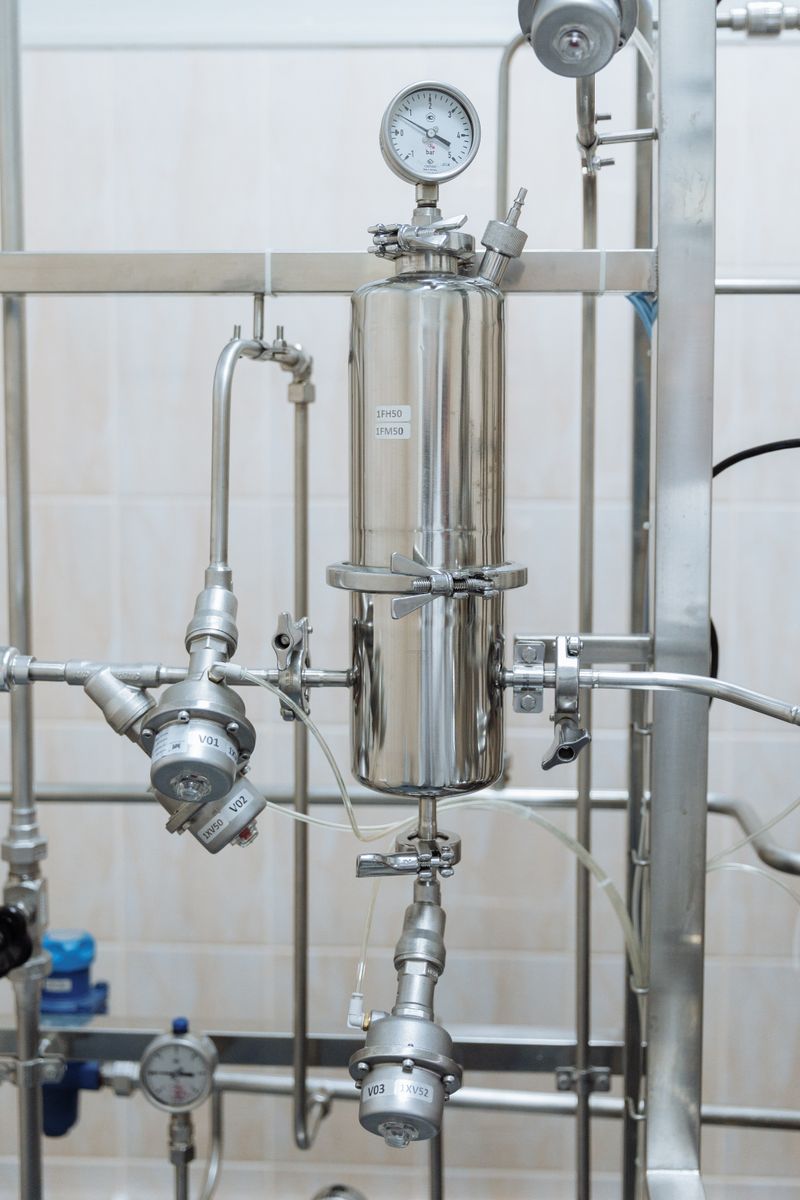
A water pressure regulator replacement is usually a small project with a big qualification: the price is reasonable only if the quote covers the problem you actually have. Low pressure at one shower, rising pressure after the water heater runs, and unstable pressure throughout the house can point to different repairs.
A standard residential water pressure regulator replacement often costs $200 to $700. HomeAdvisor’s current national guide lists that as its normal range. For context, Fixr publishes a broader $250 to $1,000 pressure-regulator replacement range, while This Old House estimates $150 to $300 for a simpler one- to two-hour pressure-reducing valve installation project. Together, these figures show why national numbers are planning references, not fixed prices or local bids.
The lower end is most plausible when an accessible regulator can be replaced like-for-like and the surrounding pipe and shutoff work correctly. A buried valve, corroded assembly, different connection layout, larger service, permit, wall opening, or thermal-expansion correction can push the project outside the headline range.
When the $200 to $700 range is useful
Use the published range as an initial reasonableness check when all of these conditions are true:
- A plumber has confirmed that the regulator, not a fixture or supply restriction, is the problem.
- The existing valve is visible and safely accessible.
- The upstream shutoff closes fully and can be operated without utility work.
- The replacement is a compatible residential model with ordinary connections.
- No damaged pipe, backflow assembly, expansion tank, wall finish, or electrical work is included.
- The appointment is during ordinary service hours and local permit requirements are known.
If any condition is unknown, compare the written scope before comparing the number. Our guide to pressure-reducing valve failure symptoms explains the static, flowing, and time-lapse readings that make the diagnosis more useful.
What changes water pressure regulator replacement cost?
Access and water shutoff condition
An exposed regulator with working isolation is easier to service than one behind a finished wall, in a cramped crawlspace, outdoors, or in a meter box. The quote should say who opens and restores any finished surface.
A failed upstream shutoff changes the job. Ask whether the plumber expects a simple isolation, a separate shutoff replacement, or coordination with the water utility. Review how to shut off water in an emergency before the appointment, but do not force a corroded valve merely to test it.
Valve size, model, and connection type
The plumber should specify the manufacturer, model, nominal size, adjustment range, connection type, and applicable certification. A valve should be selected for the required pressure and flow, not chosen only because its nominal size matches the pipe.
Watts’ installation instructions also require correct flow direction, accessible service clearance, clean lines, leak inspection at startup, and adjustment with a pressure gauge. Those details explain why two quotes that both say “replace PRV” may cover different work.
Pipe condition and assembly changes
Corroded steel, brittle plastic, previous patchwork, dissimilar materials, or too little straight pipe can turn a valve swap into an entry-assembly rebuild. Ask the plumber to separate the regulator price from:
- New unions, adapters, or pipe sections
- Main shutoff replacement
- Strainer, gauge ports, or backflow work
- Access openings and surface restoration
- Water-utility coordination
If the service pipe itself is failing, keep that scope separate from main water line replacement cost. A PRV quote should not quietly become a service-line project.
Thermal expansion
A regulator or backflow device can make the building water system closed. When water is heated, pressure may rise even if the regulator is controlling incoming pressure correctly. Watts notes that pressure dropping after a cold faucet is briefly opened can be a clue that thermal expansion is involved.
The plumber should record whether the pressure rise tracks a heating cycle and whether a potable-water expansion tank is present and functional. Use the water heater expansion tank guide to prepare questions. Never cap or isolate a water heater temperature-and-pressure relief valve.
Permits, location, and service timing
Permit and inspection rules vary by jurisdiction. Labor markets, travel, minimum service charges, and after-hours dispatch also vary, which is why a national range cannot predict a local total. The broader plumber cost guide helps you identify service-call, hourly, and flat-rate assumptions without treating them as a substitute for a written bid.
Diagnose before approving replacement
EPA says household fixtures generally operate best with incoming pressure between 45 and 60 psi and recommends checking pressure with a hose-thread gauge while fixtures are off. The 2021 International Plumbing Code requires an approved pressure-reducing valve when building pressure exceeds 80 psi, but only the code adopted in your jurisdiction controls your project.
One gauge reading does not prove the PRV failed. Ask for these observations:
- Static pressure: the downstream reading with known fixtures and appliances off.
- Flowing pressure: the downstream reading under a documented, repeatable demand.
- Maximum or time-lapse pressure: the peak after fixtures close and during a water-heating cycle.
- Upstream context: utility pressure or a qualified upstream reading where safe and permitted.
- Adjustment response: whether the installed model responds and holds after a manufacturer-approved adjustment.
If only one fixture has weak flow, start with the fixture, cartridge, stop valve, or branch. If the whole house loses pressure under demand, supply capacity, a restriction, treatment equipment, or a partly closed valve may be involved. The whole-home water pressure guide maps those alternatives.
Repair, adjust, or replace?
Replacement is not the only possible outcome. Some regulators have serviceable strainers, seats, stems, or diaphragms. Others are damaged, obsolete, inaccessible, or uneconomical to rebuild.
Ask the plumber to label the recommendation:
| Recommendation | Evidence that should support it |
|---|---|
| Adjust | Correct model and installation; stable supply; measured response to a permitted adjustment |
| Service | Sound valve body; exact approved kit available; debris or replaceable internal wear identified |
| Replace | Leaking or damaged body; severe corrosion; unavailable parts; wrong application; repeatable failure to control pressure |
| Investigate another cause | Fixture-only symptoms, thermal-expansion pattern, supply change, restriction, or unreliable test setup |
Water hammer may accompany excessive or unstable pressure, but an arrestor is not a substitute for correcting system pressure. See why pipes bang and how water hammer is diagnosed if noise is part of the complaint.
Water pressure regulator quote checklist
Put competing quotes side by side and confirm that each includes:
- Pre-work static and flowing pressure readings
- Replacement valve make, model, size, range, and connection type
- Shutoff, unions, adapters, pipe changes, and gauge ports
- Expansion-control inspection and any separate corrective work
- Permit, inspection, water interruption, and utility responsibilities
- Access opening, cleanup, and surface-restoration exclusions
- Startup leak test and final static and flowing readings
- Labor and parts warranties
- Change-order conditions if damaged piping is discovered
The cheapest quote is not comparable if it omits diagnosis, startup readings, or surrounding pipe work. Conversely, a large quote should identify the additional assembly, access, or code work that moves it beyond a straightforward replacement.
Safety and professional handoff
Replacing a PRV opens the main pressurized potable-water supply. Incorrect isolation, connection, orientation, sizing, or startup can cause a serious leak or leave the building at unsafe pressure. The Watts instructions referenced below direct installation by a licensed contractor in accordance with local codes and ordinances.
Homeowners can safely contribute photos, valve labels, fixture patterns, pressure logs from sound test points, and questions. Leave cutting, depressurizing, code decisions, and final pressure setup to a qualified plumber when required by the product instructions or local rules.
Next step: document the same scope for every bidder
Photograph the full water-entry assembly, record the valve label, note access and finish constraints, and write down when pressure symptoms occur. Send the same evidence to each plumber and request the same pre-work and post-work readings.
Then compare the complete scope—not just the total. If the diagnosis is still uncertain, pause replacement and ask for a measured pressure assessment first.
Sources
- EPA WaterSense home maintenance and service-pressure guidance
- International Plumbing Code Section 604.8
- Watts Series N55B and LFN55B installation instructions
- HomeAdvisor water pressure regulator replacement cost guide
- Fixr water pressure regulator replacement cost range
- This Old House pressure-reducing valve installation guide
Bottom line
Use $200 to $700 as a national planning range for a straightforward water pressure regulator replacement, not as a guaranteed local price. A defensible quote identifies the failed component, separates added pipe or expansion work, and records the final pressure under the same test conditions used for diagnosis.

Flow Control HQ Editorial Team
Independent trade-focused editorial team