Water Hammer Explained: Why Your Pipes Bang and How to Fix It
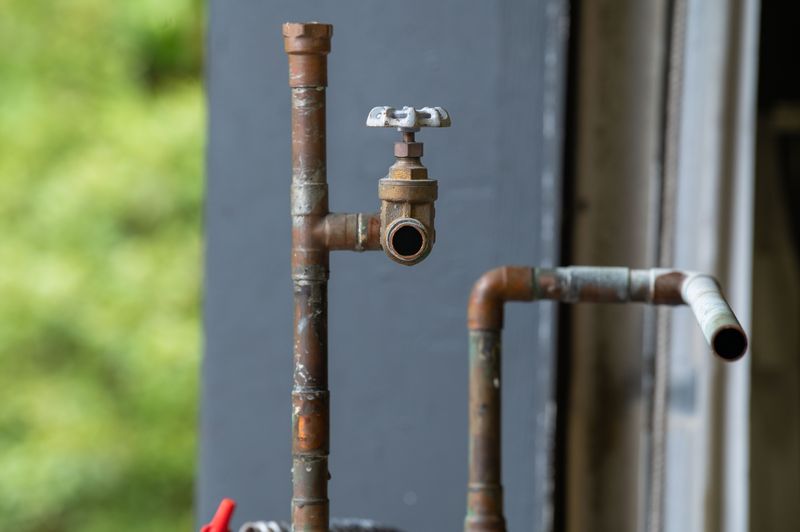
That loud bang or series of thuds that shakes your walls when you turn off a faucet or the washing machine stops filling is not just annoying — it is a symptom of a significant hydraulic force event that, if left unresolved, can loosen pipe joints, crack fittings, damage appliances, and eventually cause a pipe failure.
Water hammer is one of the most common plumbing complaints homeowners and plumbers deal with, and it is also one of the most reliably fixable. This guide explains the physics behind why it happens, how to diagnose which fixtures or conditions are causing it in your home, and the full range of solutions — from simple DIY fixes to professional-grade pressure management.
What Is Water Hammer?
Water hammer (also called hydraulic shock) is a pressure surge that occurs when moving water is suddenly forced to stop or change direction. Water, unlike air, is essentially incompressible. When it is traveling through a pipe at velocity and suddenly encounters a closed valve, the kinetic energy of the moving water has nowhere to go — it slams against the valve, creating a high-pressure shockwave that travels backward through the pipe system.
The pressure spike from water hammer can be 5 to 10 times normal line pressure. If your home’s water pressure is 60 PSI, a severe water hammer event can generate 300 to 600 PSI momentarily at the point of valve closure. That is enough pressure to crack PVC fittings, loosen soldered copper joints, and stress mechanical connections at appliances.
The Physics in Simple Terms
Imagine a car traveling at highway speed hitting a concrete wall. The kinetic energy of the car is converted to destructive force on impact. Water hammer is the same phenomenon at a smaller scale — the “wall” is the closed valve, and the pipe is the vehicle.
The bang you hear is the sound of the pressure wave hitting the closed valve, bouncing back through the pipe, and then reflecting again off the closed valve at the supply end — creating an oscillating wave that produces that characteristic banging or thudding sound.
What Causes Water Hammer in Modern Homes?
Water hammer is more prevalent today than it was 50 years ago, for a few specific reasons:
Fast-Closing Solenoid Valves
Modern appliances — washing machines, dishwashers, ice makers, and whole-house water softeners — use solenoid valves that open and close electrically in a fraction of a second. Traditional manual valves closed slowly as a person turned them; solenoid valves snap shut in 50 to 100 milliseconds. The faster the valve closes, the more severe the water hammer.
Older top-loading washing machines with mechanical fill valves closed over 3 to 5 seconds. Front-loading machines and modern top-loaders with electronic controls close their fill valves nearly instantaneously — which is why washing machines are the most common water hammer source in homes built after 1990.
High Water Pressure
Water pressure above 80 PSI substantially worsens water hammer. The higher the pressure, the greater the velocity of water in the pipes, and the greater the energy that must be absorbed when that water stops. Homes without a functional pressure-reducing valve (PRV) — or with a PRV that has failed in the open position — are at significantly higher risk.
Unsecured Pipes
Water hammer is a force event. Pipes that are properly secured to framing or stucts can absorb and dissipate the shockwave; loose pipes that can move physically amplify the noise and the damage. A pipe that bangs against a floor joist is experiencing actual physical impact at the rate of the water hammer frequency — sometimes dozens of times during a single valve closure event.
Waterlogged Air Chambers
Older homes built before water hammer arrestors were standardized used air chambers — vertical sections of capped pipe installed near fixtures to provide an air cushion. When functioning, the air in the chamber compresses to absorb the water hammer pressure wave. But air dissolves into water over time. Once the air chamber fills with water, it provides no cushioning and water hammer returns.
Diagnosing Water Hammer in Your Home
Before applying a fix, identify the source of the water hammer accurately. Different sources require different solutions.
Step 1: Identify When It Happens
Listen carefully and note exactly when the banging occurs:
- When you turn off a faucet quickly: Likely caused by high water pressure or unsecured pipes near that fixture
- When the washing machine finishes filling: Classic solenoid valve water hammer — the machine’s fill valve snapped shut
- When the dishwasher cycles: Dishwasher fill valve water hammer
- When the toilet finishes filling: The fill valve closed; may also indicate waterlogged air chamber near the toilet supply
- Randomly, without any obvious trigger: May indicate a pressure fluctuation from the street, or a pressure-reducing valve that is hunting (oscillating between pressure settings)
Step 2: Test Your Water Pressure
Purchase a water pressure gauge that threads onto a hose bibb (outdoor faucet). Turn on the hose bibb fully and read the gauge.
- Normal range: 45 to 80 PSI
- Marginal: 70 to 80 PSI — acceptable but reducing pressure will help with hammer
- High: Above 80 PSI — PRV adjustment or replacement is needed before other fixes will be fully effective
Water pressure gauge
If your pressure is above 80 PSI, address the PRV first. Reducing pressure to 60 to 65 PSI will reduce the severity of water hammer throughout the home regardless of what other fixes you apply.
Step 3: Check Your Air Chambers (If Present)
If your home has air chambers installed at fixtures, try draining and recharging them:
- Shut off the main water supply
- Open the lowest faucet in the house (typically a hose bibb or basement utility sink) and let the system drain completely
- Close the faucet and turn the main water supply back on slowly
- As the water refills the pipes, it pushes air back into the chambers, recharging them
If this eliminates the water hammer, the air chambers were waterlogged. If water hammer returns within a few weeks to months, the air chambers are absorbing water too quickly and should be replaced with sealed water hammer arrestors, which do not suffer from this problem.
Step 4: Look for Loose Pipes
In areas where you hear banging, look for pipes that cross framing members or lie along joists without secure attachment. Pipes should be secured with pipe straps every 6 to 8 feet for horizontal runs of copper or CPVC, and every 4 feet for plastic pipe runs.
Solutions for Water Hammer
Solution 1: Water Hammer Arrestors
Water hammer arrestors are the modern, permanent solution to hydraulic shock. They consist of a sealed air chamber separated from the water side by a piston or diaphragm. When a pressure wave hits the arrestor, the piston compresses the air chamber, absorbing the energy. Unlike open air chambers, the air in an arrestor cannot dissolve into the water supply — making them a long-term, maintenance-free solution.
Sizing and placement: Arrestors are sized by Shock Arrestor Designation (SAD) — a lettered rating system from A through F based on the fixture count and flow rate they need to handle:
- Size A or B: single fixture (washing machine, dishwasher, single faucet)
- Size C or D: 2 to 11 fixture units
- Size E or F: large commercial applications
For residential applications, Size A or B arrestors at the washing machine supply valves solve the vast majority of residential water hammer complaints.
Installation locations:
- Washing machine: Install one arrestor on the hot supply line and one on the cold supply line at the valve location. Most washing machine arrestors are sold in pairs for this reason.
- Dishwasher: Install one arrestor on the hot supply line at the shutoff valve under the sink
- Toilets: If the toilet fill valve is causing hammer, install one arrestor on the toilet supply line at the shutoff valve
Recommended products:
Watts Series 15M1QT Water Hammer Arrestor (Size A) Watts is one of the most trusted names in flow control for residential and commercial plumbing. The 15M1QT installs at washing machine outlet boxes and hose bib connections using a standard 3/4-inch hose thread connection — no tools required beyond hand tightening. It is NSF/ANSI certified and carries a pressure rating to 250 PSI. This is the standard choice for a washing machine installation. Watts 15M1QT
Sioux Chief VariStroke II Water Hammer Arrestor The Sioux Chief VariStroke II uses a variable-stroke piston design that the company claims provides superior energy absorption over fixed-piston designs. Available in multiple pipe sizes and connection types including 1/2-inch MIP, 3/4-inch MIP, and push-fit versions for PEX and copper systems. Well-suited for in-wall installation during rough-in. Sioux Chief arrestors
Installation (typical in-line installation):
- Shut off the water supply to the affected fixture
- Install the arrestor on the supply stub-out upstream of the fixture shutoff valve. For washing machines: thread the arrestor onto the outlet of the washing machine valve box before attaching the hose.
- Use Teflon tape on threaded connections — 2 to 3 wraps clockwise on male threads
- Turn water back on and test by running a full cycle of the appliance
Solution 2: Pressure-Reducing Valve Adjustment or Replacement
If your water pressure exceeds 80 PSI, this must be addressed before other solutions will be fully effective.
Adjusting an existing PRV:
- Locate the PRV — typically a bell-shaped brass device on the main supply line where it enters the house
- Look for an adjustment screw on top of the PRV (may be under a cap or lock nut)
- Loosen the lock nut and turn the adjustment screw counterclockwise to reduce pressure
- Recheck pressure at a hose bibb after each adjustment — make changes in small increments
- Target pressure: 55 to 65 PSI
Replacing a failed PRV: PRVs typically last 10 to 20 years. If adjustment does not bring pressure into range, or if the PRV is old and showing signs of bypass (pressure creeping up after shutting off all fixtures), replacement is the solution. PRV replacement is within DIY capability for homeowners comfortable with plumbing work, but requires turning off the water main and soldering (for copper systems) or using appropriate fittings for PEX or CPVC.
Solution 3: Pipe Strapping
Pipe strapping is often overlooked but is essential for controlling the noise and physical stress of water hammer.
For any exposed pipe run where banging is audible:
Copper pipe: Use copper or galvanized steel pipe straps at 6-foot intervals on horizontal runs, 10-foot intervals on vertical. Do not use dissimilar metal straps on copper — galvanic corrosion will occur at the contact point over time if water is present. Use copper straps or plastic-lined straps for copper pipe.
PEX pipe: PEX requires more frequent support — every 32 inches on horizontal runs per most code requirements. Use plastic PEX hangers or nylon pipe straps. Do not overtighten straps on PEX — the pipe needs room to expand and contract with temperature changes.
Insulation at penetrations: Where pipes pass through floor joists, studs, or concrete, the pipe should be isolated from the structure with foam pipe insulation at the penetration point. Direct contact between a pipe and a structural member transmits the water hammer noise directly into the framing and amplifies it throughout the house.
Pipe straps and hangers
Solution 4: Slow-Close Valves
For fixtures where water hammer is caused by rapid valve closure (washing machines in particular), slow-close washing machine valves are an alternative or complement to hammer arrestors. These valves incorporate a small orifice or dashpot that slows the rate of water flow reduction at the valve, mimicking the gentle closure of a manual shutoff valve.
Slow-close valves are available in standard washing machine hose outlet box formats and replace the existing valve with a direct swap after shutting off the water supply.
When to Call a Plumber
Most water hammer problems can be diagnosed and resolved by a determined DIYer. Call a licensed plumber when:
- You cannot locate the source of water hammer after systematic testing
- Water hammer is severe (shaking walls, visible pipe movement, joint leaks developing)
- You suspect slab damage — water hammer in a slab-built home with copper under-slab supply lines can crack those lines at penetrations; if you hear hammer and also notice wet spots on the floor, stop running water and call a plumber
- PRV replacement is needed and you are not comfortable with the scope of the work
- In-wall installation of hammer arrestors requires opening walls — a plumber can do this with minimal drywall damage and proper closure
Maintenance and Long-Term Prevention
Once water hammer is resolved, maintain that resolution:
- Test water pressure annually — PRV performance can degrade over time, causing pressure to creep upward
- Check pipe straps in accessible areas during your annual home inspection — straps corrode and loosen over time
- Replace washing machine supply hoses every 5 to 7 years — rubber hoses fail with age and a burst hose creates severe water hammer followed immediately by a significant water damage event. Use braided stainless steel hoses for their longer service life
- Listen for changes — if water hammer that was resolved starts returning, it may indicate a changed pressure situation or a new appliance with aggressive valve behavior
Water hammer is not a cosmetic problem. The shockwaves it generates are real mechanical forces acting on every joint and fitting in your water supply system with every event. Solving it properly — with correctly sized and placed water hammer arrestors, appropriate water pressure, and well-secured pipes — protects your plumbing investment for years to come.

Flow Control HQ Editorial Team
Independent trade-focused editorial team