Water heater pressure relief valve leaking: what to do
Quick answer
A leaking water-heater temperature-and-pressure relief valve is not fixed by plugging it or automatically replacing it. A brief discharge during a manual test may be normal; recurring drips after heating often point to thermal expansion, steady high pressure can indicate a supply or PRV problem, and very hot or sustained discharge can indicate unsafe overheating.
Common questions
- Why is my water heater pressure relief valve leaking constantly?
- Constant leakage can come from an unsafe pressure or temperature condition, a PRV that is not controlling supply pressure, a relief valve with a worn or fouled seat, or leakage at the threaded connection. Shut down the heater and have sustained hot discharge diagnosed promptly.
- Why does the relief valve leak after a shower?
- A shower uses enough hot water to trigger a heater recovery cycle. If the valve drips as that water heats, thermal expansion in a closed plumbing system or a failed, undersized, isolated, or incorrectly charged expansion tank is a leading possibility.
- Is leaking after testing the T&P valve normal?
- Water should discharge while the test lever is open, and a small residual amount may drain from the pipe after it closes. Continued dripping is not normal; debris may be caught on the seat, the valve may be worn, or the system may still have excessive pressure or temperature.
Source note: Reviewed August 7, 2026 against A. O. Smith technical bulletins and water-heater instructions plus Watts T&P relief-valve guidance. The heater manual, relief-valve label, and locally adopted plumbing code control the service procedure.
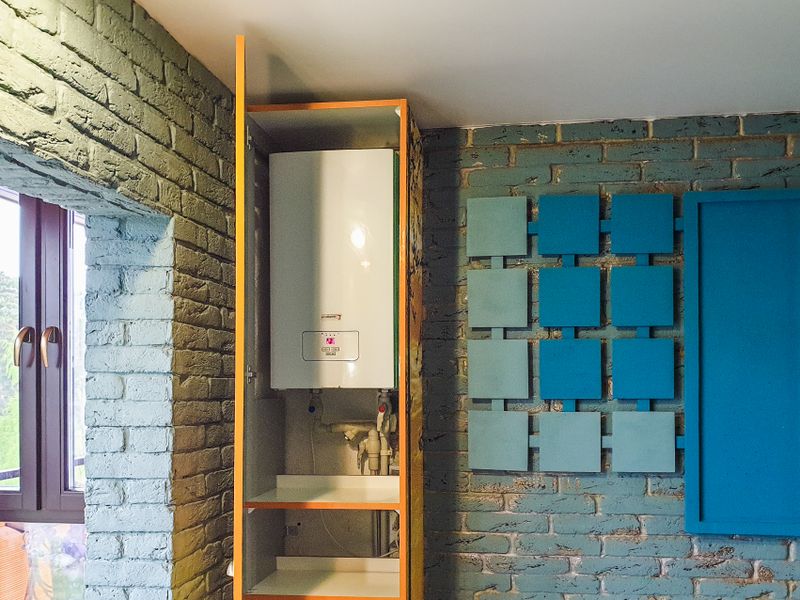
If your water heater pressure relief valve is leaking, do not cap it and do not assume the valve itself is the cause. First identify the pattern: a few drops immediately after a manual test can be normal drainage, dripping after a heating cycle points toward thermal expansion, constant leakage can indicate excessive pressure or a worn valve, and a forceful release of very hot water can mean the heater is overheating.
The part is properly called a temperature-and-pressure relief valve, or T&P valve. People also search for a “pressure release valve,” but its job is the same: open when the tank reaches the valve’s temperature or pressure limit.
Urgent safety stop: Never cap, plug, clamp, valve off, or reduce the T&P relief outlet or discharge pipe. Shut down the water heater using its normal gas or electrical control and call a qualified plumber for sustained discharge, scalding-hot water, steam, tank bulging or deformation, unusual rumbling with overheating, or suspected overpressure. Keep everyone away from the discharge path.
Use this relief-valve leak decision tree
1. Is the water forceful, unusually hot, or continuous?
Yes: Treat it as an unsafe temperature or pressure condition. Do not operate the test lever or work on a hot, pressurized tank. Shut down the heater and get qualified service. A plumber should check actual water temperature, thermostat or control operation, supply pressure, the expansion system, and the valve’s rating before changing parts.
No: Continue to the timing checks below, but keep monitoring from a safe distance.
2. Did it happen only during or just after a manual test?
Water is supposed to flow while the lever is lifted. A small amount left in the discharge pipe may drain after the lever closes. If the flow stops fully, that alone is not a leak.
If the valve started leaking after testing and continues to drip, mineral debris may be trapped on the seat or the seat may no longer seal. Do not repeatedly snap the lever in an attempt to clear it. The system’s pressure and temperature still need to be checked before a correctly rated replacement is considered.
3. Does it drip after a shower or another large hot-water use?
A shower often triggers a full recovery cycle. Water expands as it is reheated; in a closed plumbing system, that extra volume can push pressure high enough to make the T&P valve weep.
This pattern points toward thermal expansion, especially when the valve is quiet while the tank is cool and drips near the end of heating. A missing, waterlogged, undersized, isolated, or incorrectly precharged expansion tank can all produce the symptom. Use the water-heater expansion tank guide for pressure-pattern and precharge context instead of treating the relief valve as expansion control.
4. Is it a steady trickle even when the heater is not recovering?
Constant or random dripping can mean the home’s baseline supply pressure is too high, the pressure-reducing valve (PRV) is allowing pressure to creep, or the relief-valve seat is worn. The clues overlap, so measure before replacing.
Use a suitable hose-thread pressure gauge at an approved cold-water test point downstream of the PRV. Record:
- Cold static pressure with all fixtures off
- Flowing pressure with a known fixture open
- Maximum pressure through a complete water-heating cycle
- Whether briefly using cold water drops an elevated reading
- The exact time the T&P valve begins and stops dripping
Compare those readings with the heater label, valve rating, expansion-tank instructions, and local requirements. The PRV failure guide explains how static, flowing, and time-lapse readings separate regulator trouble from thermal expansion.
5. Is the water hotter than the control setting suggests?
Very hot water, a forceful discharge, or water temperature that keeps rising points toward a thermostat, sensor, element, burner, gas-control, wiring, or other control fault. This is not a DIY relief-valve replacement problem.
Turn the heater off with its approved control and call a qualified plumber or the service provider specified by the manufacturer. Gas odor, combustion problems, wet electrical equipment, or a deformed tank add separate emergency hazards; leave the area and contact the appropriate emergency service.
6. Are pressure and temperature normal, but the valve still seeps?
The T&P valve itself becomes the stronger suspect when a qualified test shows normal, stable pressure and temperature but the valve will not reseat. Mineral buildup, corrosion, an aged spring or seal, damaged threads, or an incorrect valve can cause leakage.
Water around the valve does not always come through its outlet. Check visually—without touching hot parts—whether it is coming from:
- The end of the discharge pipe
- The threaded joint where the valve enters the tank
- The welded tank fitting around that joint
- A nearby hot or cold connection, drain valve, or condensate source
A leaking threaded joint needs a different repair from an actuating valve. Leakage from the tank fitting or tank shell can make heater replacement necessary.
What the timing tells you
| Leak pattern | More likely explanation | Best next action |
|---|---|---|
| Only while the test lever is open | Normal test discharge | Follow the exact label and manual; confirm it stops |
| Drips after testing and will not stop | Debris or a worn valve seat; pressure still must be ruled out | Stop operating it and arrange diagnosis |
| Drips after a shower or heater recovery | Thermal expansion in a closed system | Record pressure through the heating cycle; inspect expansion control |
| Leaks constantly, hot or cold | High supply pressure, PRV fault, worn valve, or leaking connection | Compare gauge readings and locate the exact leak source |
| Sudden release of very hot water | Overheating or unsafe pressure | Shut down and call a qualified plumber promptly |
| Leaks after valve replacement | Wrong rating or installation, debris, or an unresolved system cause | Verify the replacement and diagnose pressure and temperature |
Why it may leak after flushing or replacement
If the problem appears after flushing the water heater, confirm that the water is actually coming from the T&P discharge pipe. A drain valve or hose connection can continue to drip and send water toward the same floor area. If the T&P valve was operated during maintenance, disturbed scale may prevent it from reseating.
If a new relief valve leaks after replacement, replacing it again is not a diagnosis. The new valve must match the heater’s required pressure rating, temperature rating, thermal capacity, connection, and probe configuration. Persistent discharge may show that the original cause—thermal expansion, excessive supply pressure, or overheating—was never corrected.
The water-heater maintenance and replacement guide helps separate a serviceable component issue from tank, connection, corrosion, and replacement concerns.
How to fix a leaking water heater pressure relief valve
The correct fix follows the measured cause:
- Normal drainage after testing: Confirm the flow stops and keep the outlet observable.
- Failed expansion control: Correct tank sizing, precharge, connection location, isolation, or failure according to manufacturer instructions.
- Excessive supply pressure or PRV failure: Correct the regulator or supply-pressure condition, then retest the heating-cycle maximum.
- Overheating: Repair the temperature-control or heating-system fault before returning the heater to service.
- Worn or fouled T&P valve: Install a properly rated valve and compliant discharge pipe after system causes are ruled out.
- Tank or welded fitting leak: Evaluate water-heater replacement rather than trying to seal a failed pressure vessel.
Do not install a higher-pressure valve to stop dripping. The replacement must never exceed the water heater’s marked working pressure, and local code and the heater manual control the installation.
Relevant next steps
Record the heater make, model, serial number, age, energy source, control setting, measured tap temperature, cold static pressure, heating-cycle maximum, leak timing, and photos taken from a safe distance. Then:
- Use the expansion tank diagnostic when pressure rises only as the tank heats.
- Use the PRV troubleshooting guide when baseline pressure is high or unstable.
- Review emergency water shutoff options before a non-emergency service visit; do not approach active scalding discharge to reach a valve.
- Open the water-heater replacement worksheet if the tank, welded fitting, or heater controls may require a broader quote.
The safest takeaway is simple: a leaking T&P valve is a symptom to diagnose, not a nuisance to block. Pattern, pressure, temperature, and the exact leak location determine whether the answer is expansion control, supply regulation, heater controls, valve replacement, or a new water heater.
Sources checked
Trace the cause of water-heater relief discharge
Use these resources to move from the leak pattern to pressure, expansion-control, safety, and replacement checks.
- Expansion tank symptoms and sizing
Check heating-cycle pressure, precharge, sizing, connection location, and tank condition.
- Pressure-reducing valve troubleshooting
Compare static, flowing, and time-lapse pressure before blaming the relief valve.
- Water heater maintenance and replacement
Review tank, fitting, corrosion, control, and replacement-planning concerns.
- Emergency water shutoff guide
Document safe shutoff options without approaching active scalding discharge.
- Water heater replacement worksheet
Prepare a comparable quote when the tank, controls, or installation need broader work.

Flow Control HQ Editorial Team
Independent trade-focused editorial team