Water heater making a popping noise? What it means
Quick answer
Popping or rumbling from the bottom of a tank water heater during a heating cycle commonly points to mineral sediment, but it is not a diagnosis by itself. First screen for gas odor, a carbon-monoxide alarm, smoke, leaks, scalding water, relief-valve discharge, tank deformation, or an error code; then match the sound to its timing, location, fuel, and exact model manual.
Common questions
- Is a water heater making a popping noise dangerous?
- Popping by itself often points to sediment in a tank-style heater rather than an immediate emergency. Treat it as urgent when it comes with gas odor, a carbon-monoxide alarm, smoke, a leak, steam, scalding water, relief-valve discharge, tank deformation, a booming ignition sound, or an error code.
- Why does my water heater pop after a shower?
- A shower triggers cold-water refill and a longer recovery cycle. Popping from the lower tank while it reheats often makes sediment a stronger clue; a bang when a valve closes points more toward water hammer, while dripping from the relief line needs a pressure and temperature diagnosis.
- Will flushing stop a water heater from popping?
- A manufacturer-approved flush may help when loose sediment is the cause, but flushing is not one procedure for every tank, tankless, gas, electric, or heat-pump model. Use the exact manual and arrange qualified service when the unit is old, leaking, heavily scaled, unfamiliar, or difficult to isolate safely.
- Why does a tankless water heater click or pop?
- Brief clicks from valves, ignition, a fan, or metal movement can be normal on some tankless models. A new or loud pop, delayed-ignition boom, persistent crackling, performance change, exhaust concern, or displayed error code needs model-specific troubleshooting and qualified service.
Source note: Reviewed September 28, 2026 against current Rheem and A. O. Smith water-heater guidance, model-specific manufacturer instructions, and U.S. CPSC and U.S. Fire Administration safety guidance. The exact unit manual and local authority requirements control service work.
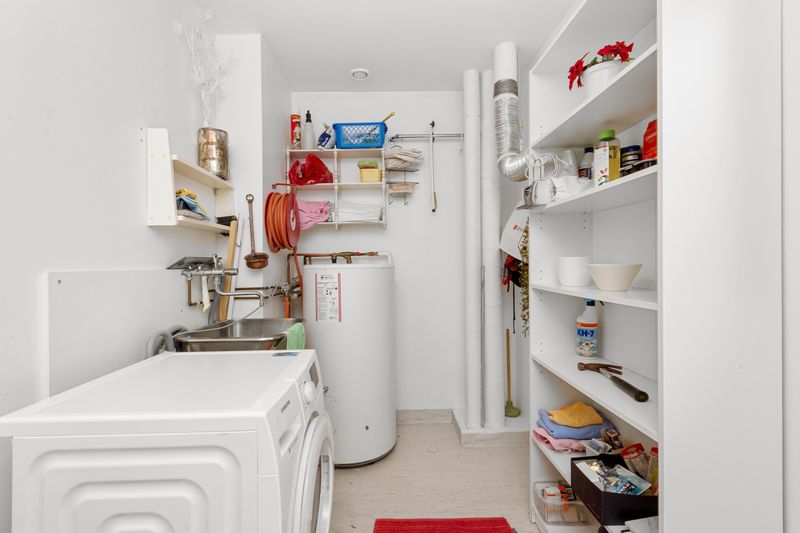
A water heater making a popping noise commonly has mineral sediment when the sound comes from the bottom of a tank during heating. But “popping” can also describe a heat-trap tick, pipe bang, sizzle, or tankless startup. Timing, heater type, sound location, and other symptoms decide the next step.
Popping alone is not automatically dangerous. Stop troubleshooting and use the urgent guidance below if you also notice gas odor, a carbon-monoxide alarm, smoke, scorching, a leak, steam, unusually hot water, discharge from the temperature-and-pressure relief line, tank deformation, or an error code.
Water heater noise diagnostic matrix
| What you hear and when | Unit type and apparent location | Stronger clues | Safe next step |
|---|---|---|---|
| Repeated pops or low rumbling while the water heats, often after a shower | Gas or electric tank; lower tank | Mineral sediment around the heating surface is common | Record the pattern and check the exact manual’s maintenance instructions; do not assume every tank should be flushed the same way |
| Crackling, gurgling, or popping in a newer tank | Gas or electric tank; inside tank | Sediment is possible; A. O. Smith also documents aluminum-hydroxide gel under certain water conditions | Note installation age, water source, softener use, and any colored gel at faucet aerators; give those details to the manufacturer or plumber |
| Light ticking or tapping during refill or a fixture draw | Any tank; near top connections or nearby piping | Heat-trap movement or normal expansion and contraction may be conducting sound through the pipe | Confirm the sound is at a connection rather than inside the tank; compare it with the model manual |
| One sharp bang when a faucet, washer, or valve closes | Any heater; pipes or framing | Water hammer is more likely than tank sediment | Use the water-hammer guide to map the trigger and check household pressure |
| Hissing, sizzling, or crackling near a burner, element, wiring area, or wet fitting | Gas or electric tank; outside the tank or service area | Condensation, a water leak, or a component fault may be contacting a hot or energized area | Do not open the compartment. Stop using the heater and arrange qualified inspection, especially if moisture is visible |
| Brief clicks, fan sound, or metal movement when a hot tap opens or closes | Gas, electric, or heat-pump tankless unit | Some ignition, valve, fan, and expansion sounds are model-specific normal operation | Look for an error code and compare the exact sequence with the use-and-care manual |
| New loud pop, boom at startup, persistent crackling, or noise with an error code | Gas or electric tankless unit | Delayed ignition, combustion, flow, scale, fan, valve, or electrical trouble may be present | Turn the unit off with its normal control if safe, copy the code, and call the manufacturer or a qualified technician |
| Pop or rumble with relief-line discharge, steam, bulging, or scalding water | Any tank | Unsafe temperature or pressure requires prompt diagnosis | Keep clear of the discharge path, never cap the valve, shut down with the normal control if safe, and call a qualified plumber |
This matrix narrows possibilities; it does not replace the unit’s use-and-care manual or an on-site diagnosis.
When a popping water heater is an emergency
Leave and call 911 or the gas utility from a safe location if you smell gas. Do not use switches, flames, phones, or electrical equipment near the suspected leak. Gas odor is not a carbon-monoxide warning: CO has no color or smell.
Move everyone to fresh air and call 911 if a CO alarm sounds or people have possible exposure symptoms. The U.S. Fire Administration recommends CO alarms outside sleeping areas and on every level.
Stop using the heater and get prompt qualified help for any of these conditions:
- Smoke, flame rollout, soot, scorching, or a booming gas ignition
- Water on or near electrical equipment, arcing, or a burning-plastic smell
- A tank that is bulging, deformed, or leaking from its shell
- Steam, scalding water, or temperature that keeps rising
- Continuous or forceful T&P relief-valve discharge
- A significant leak, wet ceiling, or water spreading toward electricity
Never cap a relief valve. Do not open service compartments, relight a pilot, adjust gas equipment, or diagnose a wet electrical heater. For active water, use the water-leak shutoff triage tool only from a safe, dry location.
What popping means by water-heater type
Gas tank water heater
Popping low in the tank only while the burner is heating makes sediment a useful lead. A shower can make it more obvious because cold-water refill starts a longer recovery cycle.
A sizzle near the burner is different. Condensation can make noise on some models, but leaking water, soot, or changed ignition sound needs professional attention. Do not remove the burner cover.
Electric tank water heater
Popping during an element’s heating cycle may come from sediment near the lower element. Moisture, erratic heating, breaker trouble, or a burning smell raises an electrical concern. Leave access panels closed.
Heat-pump water heater
A heat-pump model adds fan, compressor, and condensate sounds. A pop from the tank during resistance-element recovery differs from a click at the heat-pump section. Record the operating mode, display message, and loudest location, then use the model’s troubleshooting table.
Tankless water heater
A tankless unit has no tank floor, so the standard tank-flushing explanation does not fit. Scale can affect its flow path, while valves, a fan, ignition, and hot metal make model-specific sounds.
Brief clicks may be normal if the manual says so. Do not normalize a loud pop or ignition boom. Turn the unit off with its regular control if safe, record the code, and request service. Use the manufacturer’s descaling procedure; a tank flush and tankless descale are not interchangeable.
Five safe checks before calling a plumber
- Identify the unit. Photograph the rating plate. Record the brand, full model and serial number, fuel, design, and age.
- Record timing. Note heating, refill, hot-water draw, after-shower, valve-closing, and shutdown patterns.
- Locate it without opening anything. Listen from a safe distance for the tank bottom, connections, pipes, vent area, cabinet, or relief line.
- Check visible warning signs. Look for water, rust, soot, smoke, a CO alarm, hot water, relief discharge, pressure symptoms, or a code. Do not touch hot or wet equipment.
- Read the exact manual. Search by full model number. Preserve the code and follow its shutdown and service directions.
Do not use an internet procedure for a different model. Controls, drain layouts, isolation valves, venting, error codes, and maintenance intervals vary.
Should you flush a popping water heater?
Flushing can be appropriate when a tank heater’s manual identifies sediment and provides a compatible procedure. It is not the first action with a leak, unsafe temperature or pressure, combustion concern, electrical hazard, blocked drain, unknown valve condition, or ignition event.
Do not drain a hot tank or improvise a generic sequence. Shutdown, cooling, isolation, refill, and restart steps depend on the unit. For an old, unserviced, blocked, or heavily scaled tank, ask a plumber whether maintenance or replacement is safer. See the water-heater maintenance and replacement guide.
What to tell the plumber or manufacturer
Provide:
- Brand, full model and serial number, fuel, capacity, and approximate age
- The sound: pop, crackle, tick, rumble, bang, sizzle, whistle, or boom
- Exact timing and duration, including whether it follows a shower
- Apparent location and whether nearby pipes move
- Hot-water performance, measured temperature if safely available, and any pressure change
- Leaks, relief discharge, odor, soot, smoke, corrosion, or colored debris
- Every display or status-light code, photographed before any reset
- Service history, water source, hardness information, treatment equipment, and recent plumbing work
Ask the plumber to separate sediment or water chemistry, tank condition, combustion and venting, electrical parts, supply pressure, thermal expansion, and the T&P valve. If the relief line leaks, use the T&P relief-valve diagnostic and expansion-tank guide. Compare written scope with the plumber cost guide.
The practical next step
For a repeatable pop from the tank bottom during heating, document it and check the exact manual’s sediment guidance. Any leak, odor, smoke, CO alarm, scalding, pressure symptom, deformation, or error code calls for qualified diagnosis.
Sources
- A. O. Smith technical bulletins for noisy water heaters
- A. O. Smith Bulletin 13: mineral buildup
- A. O. Smith Bulletin 14: aluminum hydroxide
- Rheem guide to normal and abnormal water-heater noises
- Rheem tankless use-and-care manual with model-specific error-code guidance
- U.S. Consumer Product Safety Commission tap-water scald guidance
- U.S. Fire Administration carbon-monoxide guidance
- U.S. Consumer Product Safety Commission gas-leak response guidance

Flow Control HQ Editorial Team
Independent trade-focused editorial team