Sewer camera inspection: what the service should include
Quick answer
A useful sewer camera inspection records the accessible line continuously, identifies direction and footage, pauses at defects, documents pipe material and access limits, and provides both the video and a written interpretation. It can show internal condition but cannot by itself prove soil support, exact depth, leakage through every joint, or the cause of every symptom.
Common questions
- When is a sewer camera inspection worth doing?
- It is useful for recurring backups, suspected roots or damage, pre-purchase due diligence, repair planning, and post-repair verification when the line is accessible enough for a clear recording.
- Can a camera tell whether a sewer pipe leaks?
- It may show openings, infiltration, cracks, or joint problems, but a visually clean joint does not prove watertightness. Smoke, dye, pressure, or other testing may be needed for the specific question.
- Should the contractor give me the video?
- Request the complete playable recording plus a written report, footage references, and marked surface locations before authorizing major work. Local programs may require specific file formats or certified inspectors.
Source note: Reviewed August 6, 2026 against NASSCO assessment guidance and municipal sewer-video submittal requirements. Private-lateral ownership, inspector qualifications, permits, and report rules vary by jurisdiction.
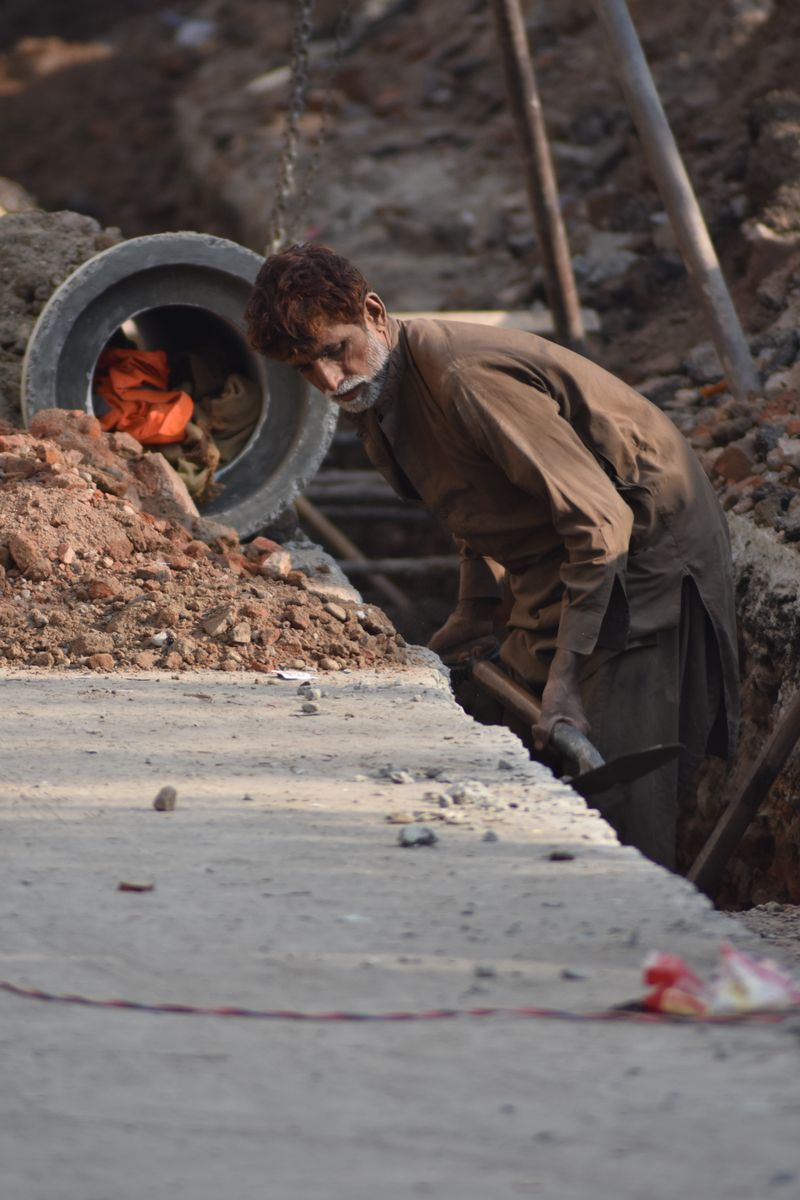
A sewer camera can turn a vague backup into visible evidence, but only if the service records the right line and delivers usable documentation. The goal is not merely to see the inside of a pipe; it is to connect each observation to a location, severity, and next decision.
If sewage is entering living space, keep people and pets away, avoid contact, stop using connected fixtures, and call qualified help. Camera work comes after immediate sanitation and overflow risks are controlled.
When a sewer camera inspection helps
Consider CCTV inspection when you need to:
- Investigate recurring whole-home backups after the line is safely cleared
- Distinguish root intrusion, grease, scale, offsets, cracks, holes, collapse, or foreign objects
- Check a private lateral during real-estate due diligence
- Locate a defect before spot repair, lining, pipe bursting, or excavation
- Verify cleaning or rehabilitation work
- Document a line for a municipal lateral program, permit, or rebate
- Confirm the route and connection when records are incomplete
Start by separating a fixture clog from a building-sewer problem. Multiple affected drains, a low-level fixture backup, or flow at the cleanout can support the broader symptoms in the main sewer clog guide.
When the camera should wait
A camera does not replace emergency clearing when wastewater is actively backing up. It may also be unable to pass heavy roots, a collapsed section, standing water, tight bends, or a poor access point.
Cleaning before inspection can improve visibility, but cleaning can also change the evidence or damage a fragile pipe. Ask whether the contractor plans to cable, jet, cut roots, or simply inspect, and authorize those scopes separately. Review drain snaking versus hydro jetting before agreeing to a cleaning method.
What the recording should show
NASSCO describes detailed internal CCTV as a core condition-assessment tool and uses standardized PACP and LACP programs for pipelines and laterals. A residential job does not automatically include NASSCO coding, but the same documentation principles make a video more useful.
Ask for:
- A clear start point. The recording should identify the property, date, access point, and direction of travel.
- Continuous footage. Avoid a highlight reel that omits the run between defects.
- A distance counter. Footage should begin from a stated reference and remain visible.
- Adequate lighting and centering. The pipe wall should be visible rather than washed out, dark, or obscured by the camera dragging through debris.
- Slow passes and pauses. Important joints, connections, roots, cracks, and changes in material deserve a stationary or panned view.
- A complete accessible length. The report should state whether the camera reached the public main or why it stopped.
- Location confirmation. A sonde or locator can mark significant defects at the surface, but the contractor should state the expected accuracy and depth limitations.
- A reverse view when useful. Some municipal specifications require the line to be recorded out and back unless an obstruction prevents it.
Portland’s sewer-video guidance, for example, requests a video, written report, surface-location photographs, and a map or diagram for the city’s review. Your local authority may require different deliverables.
The written report matters as much as the video
A useful report translates the footage into a decision without overstating certainty. It should include:
| Report item | Why it matters |
|---|---|
| Pipe material and estimated diameter | Repair and cleaning methods depend on the host pipe |
| Access point and inspected direction | Confirms which segment was actually seen |
| Total inspected footage | Reveals whether the main connection was reached |
| Observation footage | Lets another contractor find each defect in the recording |
| Defect description | Separates maintenance issues from structural concerns |
| Surface mark and locator depth | Supports access planning while acknowledging locator tolerance |
| Blocked or submerged sections | Prevents an incomplete inspection from being treated as a clean bill of health |
| Recommended next test or action | Shows whether cleaning, monitoring, repair design, or excavation is justified |
Ask for the original or full-quality playable file, not only screenshots. Keep a copy before cloud links expire.
What a sewer camera cannot prove
CCTV shows visible interior surfaces under the conditions of the inspection. It usually cannot, by itself:
- Confirm the soil condition, voids, or support outside a small-diameter residential lateral
- Establish exact depth or horizontal location without separate locating work
- Prove every joint is watertight
- See through opaque standing water, grease, roots, or debris
- Determine whether a belly is caused by settlement or how it will progress
- Grade a defect reliably from a blurred, fast, or uncentered image
- Predict remaining service life from appearance alone
- Establish property ownership or utility responsibility
Those boundaries are reasons to seek better evidence, not reasons to skip inspection.
Quote questions to ask before the appointment
- Which access point will you use, and is cleanout work included? The sewer cleanout guide can help you prepare without opening a cap during a backup.
- Is cleaning included, optional, or excluded?
- Will the inspection cover the entire private lateral to the public connection?
- Will a NASSCO PACP-, LACP-, or BSDI-trained operator inspect or interpret the footage, and is that required locally?
- Do I receive the complete video, a written report, still images, and a surface map?
- Are locator marks and estimated depths included for important defects?
- What happens if the camera cannot pass?
- Is a post-cleaning or post-repair verification pass included?
- Does the contractor also sell the recommended repair, and can another qualified party review the recording?
Turn findings into the next decision
Not every root or offset requires full replacement. Ask the contractor to categorize the result:
- Maintenance: removable buildup or roots, with a proposed cleaning and monitoring interval
- Localized repair: a defined defect with stable pipe on both sides
- Rehabilitation candidate: an inspectable run that may accept a designed liner or other method
- Replacement candidate: collapse, severe deformation, grade problems, access constraints, or widespread failure
- Inconclusive: footage or access is inadequate and another test is needed
If structural work is proposed, compare the sewer line replacement scope with trenchless repair versus excavation before signing. Request the pre-work video, repair design, post-work video, permit record, and warranty in one project file.
If the report identifies a sag, use the sewer line belly camera-evidence checklist to document retained water, location, symptoms, grade evidence, and comparable repair scopes before approving work.
Sources and standards checked
Turn sewer footage into a repair decision
Use these resources to prepare access, distinguish clearing from replacement, and compare the repair methods supported by the recording.
- Find the sewer cleanout
Identify practical camera access without opening a backed-up line yourself.
- Main sewer clog signs
Separate whole-building symptoms from a fixture-level drain problem.
- Drain snake vs. hydro jetting
Decide whether cleaning is needed before or after inspection.
- Trenchless repair vs. excavation
Compare methods only after footage identifies the host-pipe condition and connections.

Flow Control HQ Editorial Team
Independent trade-focused editorial team