Sewer backwater valve guide: need, limits, and maintenance
Quick answer
A sewer backwater valve may help protect fixtures that can receive flow from a backed-up public sewer, especially low fixtures below the controlling upstream manhole elevation. It must match the drainage layout, remain accessible, close freely, and comply with local rules. While closed, it can also block the building's wastewater from leaving.
Common questions
- Does every basement need a sewer backwater valve?
- No. The decision depends on fixture elevation, the upstream sewer reference point, drainage layout, backup source, and adopted local code. A qualified plumber and local authority should verify the trigger and protected branch.
- Can you use plumbing fixtures while a backwater valve is closed?
- Avoid using fixtures that discharge through the closed valve. Their wastewater cannot leave through that path and can back up inside the building even while public-sewer flow is being held out.
- Is a backwater valve maintenance-free?
- No. It needs accessible inspection and maintenance according to its manufacturer and local requirements. Debris, grease, damage, poor grade, or an obstructed moving part can prevent reliable closure or drainage.
Source note: Reviewed August 6, 2026 against 2024 IPC provisions, current municipal guidance from Santa Barbara, Seattle, and New York City, and manufacturer installation and maintenance guidance. Elevation triggers, permitted layouts, ownership, maintenance, and permit rules vary by local authority.
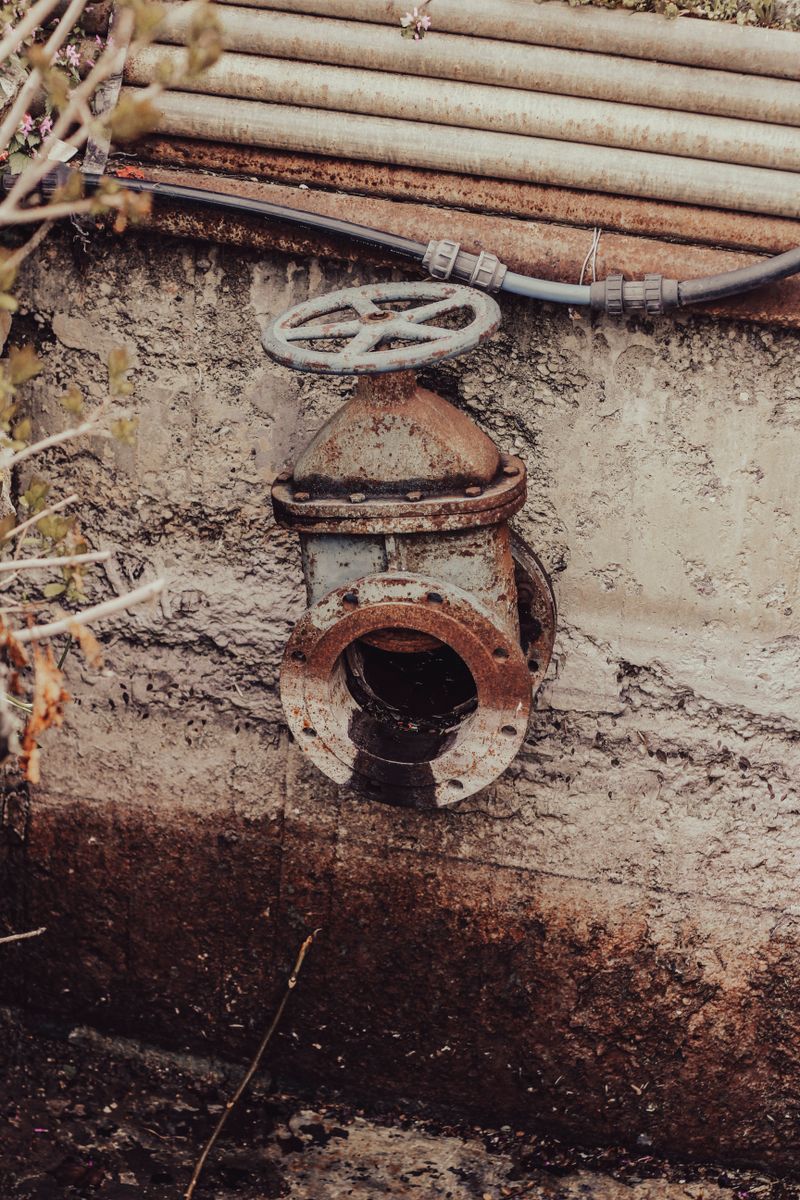
A sewer backwater valve is not a universal cure for basement flooding. It is a one-way device for a specific hydraulic risk: reverse flow from a backed-up sewer toward vulnerable fixtures. The strongest need often exists where a fixture’s flood-level rim or finished floor is below the elevation used by the local code—commonly the next upstream public-sewer manhole cover.
That elevation rule, piping arrangement, permit process, and responsibility vary. Have a qualified plumber map the drains and confirm local requirements before installation.
What a sewer backwater valve does
Wastewater normally pushes the valve open as it leaves the building. When flow reverses from downstream, a flap or gate closes to help stop sewage from traveling back through the protected pipe. The valve is installed in a building drain, sewer, or branch selected for the fixtures at risk.
This is sewer backwater protection, not potable-water backflow prevention. It does not replace devices that protect drinking water, a sump pump, foundation drainage, floodproofing, or a sound private sewer lateral.
Most importantly, a closed valve works in both practical directions: it holds downstream sewage out, but it also prevents connected fixtures from discharging. Running a washing machine, shower, or toilet while the valve is closed can fill the building-side piping and cause an indoor backup.
Start with elevation, not the product
The 2024 International Plumbing Code addresses backwater valves in its sanitary-drainage chapter. Municipal programs often explain the trigger with the relationship between low fixtures and the next upstream manhole. Santa Barbara, for example, says fixtures below that reference elevation require an approved valve and that installation requires a plumbing permit.
Use this decision table to organize the site review:
| Question | Why it changes the decision | Evidence to collect |
|---|---|---|
| Which fixture is lowest? | The lowest flood-level opening is often the first place reverse flow appears | Floor and fixture elevations, photos, survey or permit records |
| What is the controlling sewer elevation? | Local rules may compare the building to the next upstream manhole or another approved reference | Utility records and field-verified elevations |
| What caused earlier backups? | A public-main surcharge, private-lateral clog, storm inflow, and failed sump system need different corrections | Incident reports, plumber findings, camera footage, rainfall timing |
| Which fixtures share the protected branch? | A valve may need to protect only low fixtures rather than every fixture in the building | Drainage diagram and cleanout locations |
| Where can the valve remain accessible? | The cover, gate, and sealing surfaces require inspection and cleaning | Proposed access box or interior access location |
| What does the local authority require? | Permits, product approvals, alarms, cleanouts, and ownership rules vary | Current code, permit desk guidance, and approved plans |
Do not estimate the manhole relationship by looking from a basement window. Small elevation errors can change which fixtures require protection, and the nearest manhole is not necessarily the controlling upstream point.
Decide which problem you are preventing
Public sewer surcharge
When a municipal sanitary or combined sewer cannot carry incoming flow, the water level can rise toward low private fixtures. Ask whether the utility documented a public-system cause and whether a prevention or inspection program applies. Seattle may fund a valve after certain city-caused backups, while the owner remains responsible for maintenance.
Private sewer lateral blockage
A valve does not repair roots, grease, a belly, offset joints, or collapse. Wastewater generated inside can still back up on the building side.
Repeated clogs need documented diagnosis. Use the sewer camera inspection checklist to request complete footage, locations, access limits, and a written interpretation before treating a valve as the answer.
Surface water or groundwater flooding
A sanitary valve does not stop water entering through windows, foundations, exterior stairs, area drains, or a failed sump system. Separate the source before changing sanitary drainage.
Whole-building valve or protected low branch?
Many adopted rules distinguish fixtures below the upstream reference elevation from higher fixtures. Routing only vulnerable low fixtures through a valve may allow higher fixtures to continue draining by gravity during a sewer surcharge, if the code and piping layout permit it.
A whole-building valve can be simpler to describe but creates a larger closed-side risk: every connected fixture becomes unusable while the gate is shut. The plumber should document:
- Fixtures upstream of the valve
- Fixtures that remain outside the protected branch
- Roof, yard, area, foundation, or sump discharges near the sanitary connection
- Direction of normal flow and required pipe grade
- Cleanout and valve-access locations
- Whether an alarm, manual lock, ejector system, or other control is proposed
What a backwater valve cannot guarantee
Even a correctly installed valve has limits:
- Debris, grease, wipes, roots, or damage can interfere with closure.
- A valve cannot protect fixtures that bypass it.
- It cannot correct a broken, offset, bellied, or undersized private sewer.
- It cannot prevent the building from backing itself up while the valve is closed.
- It does not stop overland floodwater, groundwater, or water from other building systems.
- It may not close as expected if installed at the wrong grade, orientation, or access condition.
- It requires owner awareness and continued access after flooring, landscaping, or renovation.
Treat marketing language such as “automatic” or “full port” as a product characteristic, not a guarantee of protection. The selected valve’s listing, installation instructions, and service requirements matter.
Pre-installation checklist
Before accepting a proposal, ask for:
- The risk and elevation finding: backup source, lowest fixture, reference elevation, and verification method
- A drainage sketch: protected fixtures, bypassed branches, flow direction, cleanouts, and access
- Existing-condition evidence: cleaning and camera findings where needed; use the main sewer clog guide to organize symptom history
- The product basis: model, size, material, listing, orientation, and local acceptance
- Permit and inspection ownership: filer, inspector, final record, and required notifications
- Closure and maintenance instructions: how occupants know to stop fixture use, service interval, and post-event checks
- Scope exclusions: excavation, utility locating, finishes, landscaping, sanitation, and damaged-pipe repairs
New York City’s guidance illustrates the site-specific process: a licensed plumber evaluates elevations and pipe condition, chooses a location, and files with the applicable agency. Other cities use different rules.
Inspection and maintenance checklist
Keep the instructions and permit record in the building file. Follow the local or manufacturer schedule; there is no universal interval. Santa Barbara recommends at least every six months, while a manufacturer may specify another frequency or post-event check.
At an authorized inspection:
- Stop connected fixture use and determine whether the sewer is surcharged.
- Use gloves and eye protection; wastewater components can carry harmful microorganisms.
- Open the access cover only as the product instructions allow.
- Check for debris, grease, corrosion, damage, or an obstructed hinge, gate, float, or seal.
- Confirm moving parts travel freely and sealing surfaces make clean contact.
- Remove the flapper or gate before mechanical drain cleaning if the manufacturer requires it.
- Reassemble in the correct orientation and verify normal drainage.
- Record the date, condition, work performed, parts replaced, and next due check.
IPEX documents access provisions for buried valves, while Oatey advises checking for debris after heavy rain and avoiding fixture use while a valve is closed. Those examples are useful, but instructions for the installed model—not a generic checklist—control the work.
What to do during a sewer backup
If wastewater enters the building:
- Stop using toilets, sinks, showers, dishwashers, and washing machines connected to the affected drain.
- Keep people and pets away and avoid contact with contaminated water.
- Do not force open a cleanout or valve cover against backed-up sewage.
- Contact the sewer utility or local reporting line, then a qualified plumber, according to local guidance.
- Photograph conditions from a safe area and record rainfall, fixture use, time, utility response, and plumber findings.
- Arrange qualified cleaning and disinfection for contaminated materials.
Knowing the sewer cleanout location helps responders, but a cleanout is an access point—not a backup-prevention device. Likewise, compare trenchless repair with excavation only when inspection shows structural work is actually needed.
The practical decision
A good project begins with a verified elevation and drainage map. It identifies the backup source, protected fixtures, maintenance access, closure behavior, and permit responsibility.
If those items are unknown, investigate before installation. A valve can protect the right low-level risk, but it remains one part of sewer maintenance and flood planning.
Sources and standards checked
- International Code Council: 2024 IPC Chapter 7, Sanitary Drainage
- City of Santa Barbara: Backwater valves
- Seattle Public Utilities: Side sewer maintenance
- Seattle Public Utilities: Sewer-backup prevention policy
- New York City DEP: Protecting your home from sewer backups
- IPEX: Backwater valve handling and installation
- Oatey: Backwater valve maintenance and closure FAQs

Flow Control HQ Editorial Team
Independent trade-focused editorial team