Automatic Water Shutoff Valve Installation Cost (2026)
Quick answer
Budget about $800–$2,000 to buy and professionally install an automatic whole-home water shutoff valve in a straightforward location. Difficult access, old piping, a failed main valve, added electrical work, or rerouting can raise the project above $2,000.
Common questions
- How much does a plumber charge to install an automatic water shutoff valve?
- For an accessible main line in good condition, plumbing labor and ordinary fittings often add several hundred dollars to the device price. Entry-pipe rework, a new manual shutoff, tight access, permits, or an outdoor-to-indoor reroute can push labor and materials above $1,000.
- Do I need a plumber to install a smart water shutoff valve?
- Inline systems require the main water pipe to be cut, fitted, repressurized, and leak-tested. Manufacturers commonly recommend a licensed plumber, and local rules, warranties, or insurance programs may require one.
- Does an automatic shutoff valve need electricity?
- Most flow-monitoring smart shutoff systems need a nearby outlet plus reliable Wi-Fi. Follow the device instructions; some manufacturers recommend GFCI protection, and a licensed electrician may be needed to add a compliant receptacle.
- Is a smart water shutoff valve worth it?
- It can be a sensible upgrade for a vacant home, second-floor laundry, finished basement, aging supply lines, or property with prior leaks. It is less compelling if installation requires major pipe rerouting and lower-cost point sensors already cover the main risks.
Source note: Planning ranges combine current manufacturer requirements and pricing with published 2026 valve and installation cost data. Actual bids vary by region, pipe condition, access, permits, and electrical scope.
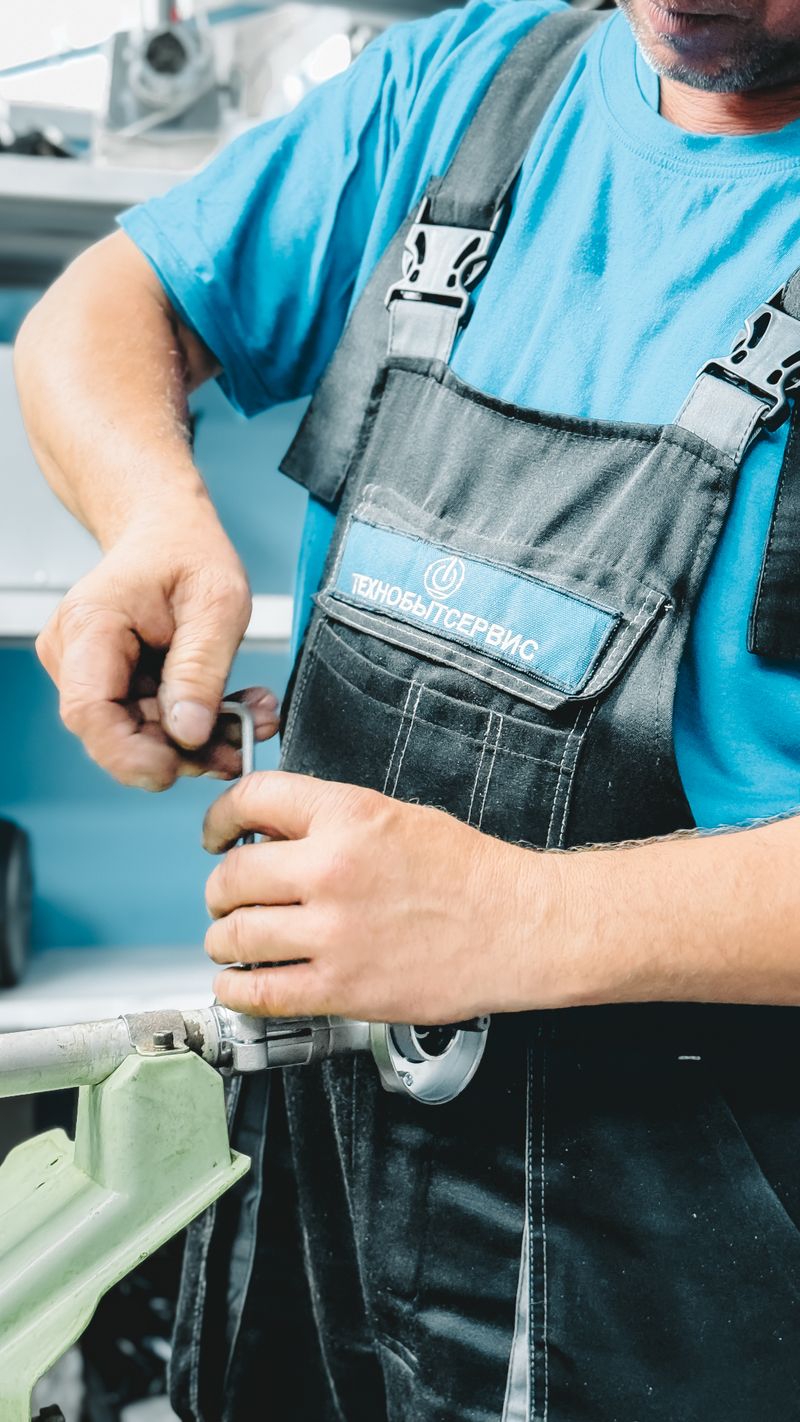
An automatic shutoff can limit a burst pipe while you are asleep or away, but the device price is only part of the budget. The condition and location of the main water line often determine whether installation is a short cut-in or a larger plumbing project.
For a straightforward professional installation, budget about $800–$2,000 total in 2026. That usually covers a $400–$700 whole-home device, normal fittings, and installation on an exposed, serviceable main line. A corroded valve, buried or outdoor piping, cramped access, missing power, permits, or substantial rerouting can raise the total to $2,000–$5,000 or more.
These are U.S. planning ranges, not fixed prices. Ask for a written site-specific quote before buying a device that may not fit your piping.
Automatic Shutoff Installation Cost at a Glance
| Project scope | Typical planning budget | What the scope usually includes |
|---|---|---|
| Device only | $400–$700 | Inline flow monitor and motorized shutoff; accessories may cost extra |
| Straightforward installed project | $800–$1,500 | Exposed pipe, working manual shutoff, nearby power, ordinary adapters and leak test |
| Typical professional retrofit | $1,000–$2,000 | Device, plumber labor, fittings, minor pipe changes, setup and testing |
| Complex retrofit | $2,000–$5,000+ | Old or mixed piping, entry assembly rebuild, difficult access, electrical work, wall repair or rerouting |
Current retail pricing supports the hardware portion of this range: Moen listed its Flo shutoff at about $676 when checked in August 2026. Published trade estimates also show that a clean garage installation can land around $1,000–$2,000, while older-home rerouting can cost substantially more.
What You Are Paying For
The automatic valve and monitor
An inline smart system combines a motorized valve with flow, pressure, or temperature sensing. It can recognize unusual water use, alert you, and close the supply automatically. Some simpler systems operate an existing quarter-turn ball valve and rely on separate floor sensors instead.
Before choosing a model, use our smart water shutoff valve and leak detector comparison to decide whether you need whole-home flow analysis, sensor-triggered shutoff, or alerts only. A $30 point sensor and a $600 inline valve solve different problems.
Plumbing labor and fittings
The plumber must shut down the service, drain the line, cut or reconfigure the pipe, install the approved adapters, restore pressure, and test every new joint. The job is easier when the main is exposed, straight, correctly sized, and close to a working upstream valve.
Phyn says a typical installation takes one to two hours, but that assumes a compatible location. Brittle CPVC, seized galvanized fittings, material transitions, or inadequate straight pipe add labor.
Electrical and network work
Many smart shutoffs require continuous power and a dependable 2.4 GHz Wi-Fi signal near the water entry. Phyn, for example, requires an outlet within the reach of its power cord and recommends GFCI protection. A new compliant receptacle may turn the job into a plumber-and-electrician project.
Do not route extension cords through wet areas or improvise permanent wiring. Ask an electrician whether a new receptacle, dedicated circuit, weather protection, or permit is required at your location.
Permits, access, and restoration
Permit rules vary by city and by the exact work performed. Some jurisdictions treat a direct device cut-in differently from replacing a main shutoff, moving the service entry, or adding electrical wiring. Angi’s 2026 main-valve data notes permit costs can range from $50 to $500 where a permit is required.
Drywall access, an exterior enclosure, trenching, insulation, and finish repair may not appear in the plumber’s base price. Make sure the estimate identifies who opens and restores finished surfaces.
Six Factors That Raise the Installation Price
- The existing main valve does not close fully. A leaking, seized, or corroded valve may need replacement before the smart device can be installed safely.
- The main line is buried or outdoors. Excavation, freeze exposure, weatherproofing, and local installation limits can rule out the cheapest location.
- There is no usable straight pipe. A pressure-reducing valve, meter, manifold, softener, or tight elbow may force the plumber to rebuild part of the entry assembly.
- The pipe is old or mixed-material. Galvanized steel, fragile CPVC, corrosion, and questionable transitions add uncertainty and labor.
- Power or Wi-Fi is missing. A weak basement signal may need a network access point; no outlet may require a licensed electrician.
- The plumbing layout is unusual. Wells, irrigation branches, shared meters, recirculation lines, and fire sprinklers require device-specific planning.
If inspection reveals that the service pipe itself is failing, pause the smart-device purchase and review main water line replacement cost. A monitoring valve should not be installed as a cosmetic upgrade on a line that needs repair.
Is Your Home a Good Candidate?
A whole-home automatic shutoff is a strong fit when the main line is accessible and the cost of an unattended leak is high. That often includes homes with:
- A second-floor laundry room or water heater near finished space
- Long periods when nobody is home
- A finished basement, rental property, or vacation home
- Aging appliance hoses or a previous water-loss claim
- Several high-risk fixtures that cannot be monitored in person
Consider a lower-cost sensor-first plan when you rent, cannot alter the main line, lack a compatible installation location, or only need protection at one appliance. Point sensors placed at the washing machine, water heater, dishwasher, and under sinks can provide useful early warnings without cutting pipe.
Automatic shutoff also does not replace basic readiness. Everyone in the home should know how to shut off water in an emergency, because power, connectivity, configuration, and mechanical failures remain possible.
What to Check Before Requesting Quotes
Photograph the entire water-entry area and record:
- Pipe size and material
- Main manual shutoff type and whether it closes completely
- Available straight-pipe length before the first branch
- Pressure-reducing valve, meter, softener, filter, and irrigation locations
- Distance to the nearest suitable outlet
- Wi-Fi strength at the proposed device location
- Fire sprinkler or suppression connections
- Signs of corrosion, leakage, or prior repairs
Do not close an old or badly corroded valve just to test it if it may not reopen. Ask a plumber to assess it. If unexplained meter movement is the reason you are shopping, first follow the isolation steps in our high water bill and hidden leak guide.
Questions to Ask the Installer
Request an itemized scope that answers these questions:
- Is the chosen model approved for my pipe size, pressure, material, and location?
- Does the price include the device, unions or adapters, a manual bypass, permits, startup, and leak testing?
- Will the existing main shutoff or pressure-reducing valve need replacement?
- Who provides electrical work, access openings, weather protection, and surface repair?
- Will irrigation, treatment equipment, accessory buildings, and every intended branch be downstream of the monitor?
- Does the manufacturer, warranty, insurer, or local authority require licensed installation or documentation?
- How will the valve be operated manually during a power, internet, or device failure?
You can compare the service-call and labor assumptions with our guide to plumber costs, but prioritize complete scope over the lowest headline number.
Important Fire Sprinkler, Well, and Code Caveats
Never place a device where an automatic closure could disable a required fire sprinkler or suppression supply. Moen’s installation guidance prohibits installation on fire suppression systems. Have the fire-protection contractor, plumber, local authority, and device manufacturer confirm the layout.
For a private well, placement relative to the pump, pressure tank, sediment filter, and treatment equipment matters. Phyn directs well installations downstream of the pressure tank and recommends protecting the device from sediment. Shared services, condos, and multi-unit buildings may not be compatible with a residential whole-home device.
Local plumbing, electrical, backflow, access, and permit rules always control. A product being sold for DIY use does not establish that your project is exempt.
Next Step: Get a Site-Specific Scope Before Buying
Start with photos, pipe measurements, valve condition, outlet distance, and a simple map of every branch near the water entry. Send the same information to two licensed plumbers so their quotes address the same work.
Then compare the installed total, exclusions, manual backup plan, warranty requirements, and who handles electrical or finish repairs. If the all-in price is too high, install point leak sensors at the highest-risk locations now and revisit whole-home shutoff when other main-line work is scheduled.
Sources
- Moen Flo product details and current retail price
- Phyn Plus installation requirements
- Phyn placement guidance
- Angi 2026 main water shutoff valve cost data
Bottom Line
Plan on $800–$2,000 for many automatic water shutoff valve installations, with complex projects exceeding $2,000. The best value comes from confirming fit before purchase and getting a quote that includes plumbing, power, permits, testing, and access—not from choosing the cheapest device in isolation.
Plan leak protection around the plumbing you have
Use these resources to compare shutoff systems, document hidden-leak clues, prepare for emergencies, and separate service-line work from a device installation.
- Smart shutoff valves and leak detectors
Compare inline automatic shutoffs, non-invasive monitors, and point sensors before buying.
- Emergency water shutoff guide
Make sure the household can isolate a leak even if a smart device is unavailable.
- Hidden leak detection
Use meter and fixture checks when unexplained water use is driving the purchase.
- Main water line replacement cost
Separate smart-device installation from repair or replacement of a failing service line.

Flow Control HQ Editorial Team
Independent trade-focused editorial team