Sump pump alarm going off? First 5-minute checks
Quick answer
When a sump pump alarm goes off, first identify the alarm unit and read its label or status lights from a dry location. Then check the actual water level, whether the main or backup pump is running, whether water is leaving through the discharge, and whether power or recent rain changed. Rising water, sewage, wet electrical equipment, burning odors, or a pump that cannot lower the level needs urgent professional help.
First five minutes after a sump pump alarm
Identify the alarm, observe the basin and pump safely, and choose the right escalation without entering water or servicing live equipment.
1. Identify the alarm
From a dry location, photograph the alarm label, model, lights, display, and app message before pressing silence or reset.
2. Check the hazard and water level
Do not enter standing water. From a safe view, determine whether the basin water is normal, high but stable, or rising toward the rim.
3. Observe the pumps
Listen for the main and backup pumps and watch whether the water level falls. Do not reach into the basin or force a float.
4. Check discharge and power clues
From safe, accessible locations, note discharge flow, recent rain or freezing, a power outage, and any dry-area breaker indication without touching wet equipment.
5. Choose the response
Call urgently for rising water, sewage, electrical damage, overheating, or ineffective pumping. Otherwise, follow the exact model manual and arrange service if the alarm recurs.
Common questions
- Why is my sump pump alarm going off after heavy rain?
- Heavy rain can raise groundwater inflow until the primary pump cannot keep up, a backup pump starts, or water reaches a high-level sensor. Check the actual level and whether it is falling. Repeated rain-related alarms call for a pump, discharge, and drainage assessment rather than a simple reset.
- Why is the sump pump alarm going off when there is no water?
- The alert may report a low backup battery, lost AC power, a sensor or connection fault, a prior backup-pump event that remains latched, or a different sewage or effluent basin. Record the model and indicators, then use that model's manual instead of interpreting the beep by sound alone.
- Can I silence a sump pump alarm?
- Use only the installed unit's documented silence control, and only after recording the indicators and confirming the water is not rising. Silence and reset behavior differs by model; muting a horn does not correct high water, lost power, a failed pump, or a battery fault.
Source note: Checked October 28, 2026 against current Liberty Pumps ALM-series documentation, current Basement Watchdog BWE resources, CDC electrical-safety guidance, and EPA septic guidance. Alarm meanings, silence and reset behavior, sensor positions, and service procedures vary by model; the installed manual and local requirements control.
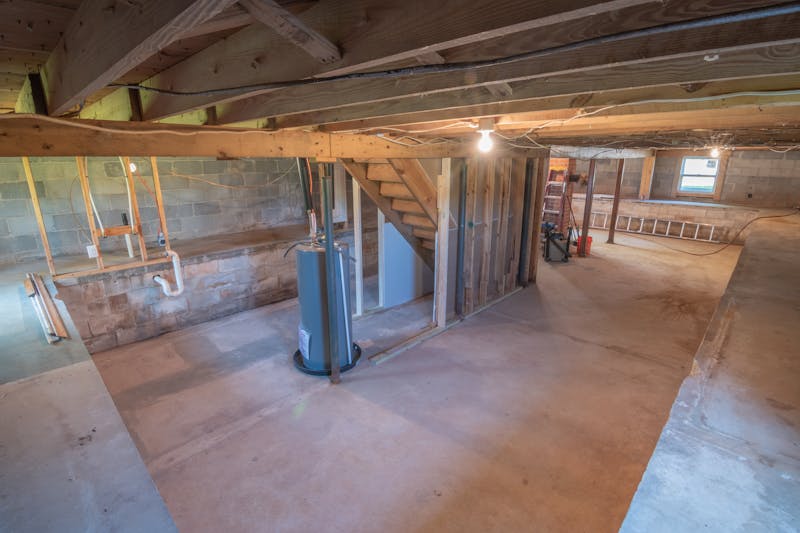
If your sump pump alarm is going off, treat it as a real warning until you identify both the alarm and the water level. From a dry location, record the unit’s model, lights, display, or phone message. Then check whether the basin water is rising and whether a pump is actually lowering it.
Do not step into standing water, touch wet plugs or controls, reach into the pit, or force a float. If water is rising toward the rim, sewage is present, electrical equipment is wet or damaged, you smell burning, or a running pump cannot lower the level, move people and pets away and request urgent professional help.
The first five minutes
Minute 0: screen for immediate danger
Stay out of the area if water covers the floor near pumps, outlets, cords, or controls. The CDC says never switch power on or off or use electrical equipment while standing in water. If the main disconnect cannot be reached from a dry location, have a qualified electrician or emergency responder make the area safe.
Leave and call emergency services for smoke or fire. For rising water, call an emergency plumber or pump contractor; add a licensed electrician when equipment is wet, damaged, overheating, or repeatedly tripping.
Minute 1: identify which alarm is sounding
Photograph the brand, model number, lit indicators, display text, and app notification before pressing anything. The same beep does not mean the same thing across products.
- A standalone high-water alarm usually has its own sensor or float and warns when liquid reaches that sensor.
- A battery-backup controller may report lost AC power, backup-pump operation, battery condition, a pump fault, or high water through separate indicators.
- A sewage, grinder, effluent, or septic alarm monitors wastewater equipment, not necessarily a groundwater sump. Reduce household water use and call the appropriate pump or septic professional.
- A smart leak or pump monitor may send water-level, power, pump-cycle, battery, or connectivity alerts. Read the exact event and timestamp.
Liberty Pumps’ current ALM-series documentation covers different sensors for sump, sewage, and puddle applications, while Basement Watchdog backup controllers distinguish power, pump, and battery warnings. Do not copy another model’s light meanings, float position, reset sequence, or silence procedure.
Minute 2: read the actual water level
Look only through a normal, safe opening. Do not remove a sealed, bolted, heavy, or unsafe cover.
| What you observe | What it means now | Next move |
|---|---|---|
| Water rising toward the rim | The system is not keeping pace | Call for urgent pump service; protect the area without entering water |
| Pump running but level not falling | Inflow may exceed capacity, or intake/discharge flow may be restricted | Do not disconnect piping; call urgently if the rise continues |
| High water slowly falling | A main or backup pump is removing water, but the alarm event still needs an explanation | Keep watching from a safe place and document which pump ran |
| Normal or low water | The event may have ended, remained latched, or involve power, battery, sensor, or another basin | Use the exact model indicators and manual before resetting |
| Sewage or contaminated water | There is an exposure and backup risk | Keep people away, stop adding wastewater, and call a qualified sewage/septic professional |
Water below the alarm sensor does not prove the alert was false. A pump may already have lowered the level, or a controller may preserve a prior event until it is acknowledged.
Minute 3: observe pump and discharge clues
Without touching the equipment, note whether the primary pump, a separate backup pump, both, or neither appears to run. Watch whether each run produces a falling water level.
If the exterior discharge outlet is safely visible from firm ground, look for flow and obvious ice, blockage, or water returning toward the foundation. Do not open, disconnect, thaw with a flame, or re-route a discharge during an alarm. A pump that runs continuously without moving water can overheat and needs prompt service.
Minute 4: check power and recent conditions
Record whether the rest of the house lost power and whether the alert began during rain, snowmelt, freezing weather, or an outage. From a dry panel location, note a tripped breaker but do not reset it repeatedly. Never handle a wet plug, charger, battery, controller, cord, or GFCI. Repeated tripping, damage, heat, odor, or water exposure belongs to a licensed electrician.
Minute 5: escalate or monitor
Call urgently for rising water, ineffective pumping, repeated overload, sewage, or electrical or overheating warnings. Otherwise, follow only the installed manual’s user-level instructions and arrange service when the cause is unclear or the warning returns.
Match common alarm patterns to the next action
The sump pump alarm goes off after rain
Rain increases inflow. An alarm can mean the primary pump lost power, failed to start, could not discharge water, or could not keep up. Record how quickly the level changes, which pump runs, and whether water exits outside. Repeated events help a contractor evaluate pump capacity, basin storage, check-valve behavior, discharge routing, and foundation drainage. Use the sump-pump maintenance and replacement guide for preventive testing after the emergency.
The alarm sounds but there is no high water
A low alarm battery, lost charger power, sensor or communication fault, prior backup-pump run, or latched event may sound while the water looks normal. A sewage alarm can also be mistaken for a sump alarm. Do not assume a chirp means “replace the 9-volt battery.” Record the interval and indicators, identify the model, and follow its battery instructions.
The alarm started during or after a power outage
Determine whether utility power and the primary pump resumed. A controller may report lost wall power or preserve notice that the backup pump ran. If the backup is still cycling, watch the level and call if it rises or the controller reports a fault. Never improvise a generator connection, backfeed a circuit, or run a fuel-powered generator indoors.
The alarm stops, then returns
An intermittent alarm may track water crossing a sensor, an unstable connection or power supply, short cycling, or repeated backup use. Record the weather, water level, pump state, and indicators. Do not move a float to suppress it. Recurrence deserves diagnosis even if the pit looks normal between alarms.
What not to do
- Do not enter a flooded area or touch wet electrical equipment.
- Do not silence or reset the alarm before recording its indicators and checking the water.
- Do not reach into the pit, force a float, remove the pump, or bypass a switch.
- Do not disconnect a discharge pipe or check valve during an alarm.
- Do not keep resetting a breaker or GFCI that trips again.
- Do not assume the main water shutoff will stop groundwater entering a sump. If the source may be a broken supply pipe, use the emergency water shutoff guide from a safe location.
- Do not ignore wastewater alarms. Reduce water use and review sewer backup protection after the immediate fault is resolved.
Service handoff checklist
Give the plumber, pump contractor, septic professional, or electrician a short record:
- Alarm brand, model, serial number, and photos of every indicator
- Exact sound or app message and whether silence/reset was pressed
- Current water level and whether it is rising, stable, or falling
- Which main or backup pump ran and whether the level dropped
- Recent rain, freeze, outage, electrical work, maintenance, or recurring events
- Visible discharge flow, ice, damage, leakage, heat, odor, or breaker trip
- Whether the basin holds groundwater, sewage, effluent, or an unknown liquid
- Any standing water, contamination, or electrical exposure
Ask the provider to identify the failed or overloaded component, the evidence supporting that conclusion, the safe temporary protection, and the permanent repair scope. After the system is stable, use the pipe-burst prevention guide to review other basement water risks and the smart leak detector guide to compare alerts that complement—rather than replace—a working sump and backup plan.
The practical next step
If water is rising or the area is electrically unsafe, leave it alone and call now. If the water is controlled, save the alarm evidence, follow the exact model manual, and arrange service for any unexplained or repeating alert. Silencing the sound is not the same as correcting the condition.
Sources checked

Flow Control HQ Editorial Team
Independent trade-focused editorial team