PEX vs Copper vs CPVC Pipe: Which Is Best for Your Home?
When it comes to residential plumbing, three pipe materials dominate: copper, CPVC, and PEX. Each has real advantages and drawbacks depending on your budget, application, and local building codes. Understanding the differences helps you choose the right material for your project — whether you’re repiping a whole house or running a single supply line.
Quick Comparison
| Feature | PEX | Copper | CPVC |
|---|---|---|---|
| Cost (materials) | Lowest | Highest | Low-Mid |
| Installation difficulty | Easy | Moderate-Hard | Moderate |
| Freeze resistance | Excellent | Poor | Poor |
| Lifespan | 25–50 years | 50–70+ years | 50–75 years |
| Hot water rated | Yes (PEX-B, PEX-A) | Yes | Yes |
| Approved for potable water | Yes | Yes | Yes |
Copper Pipe
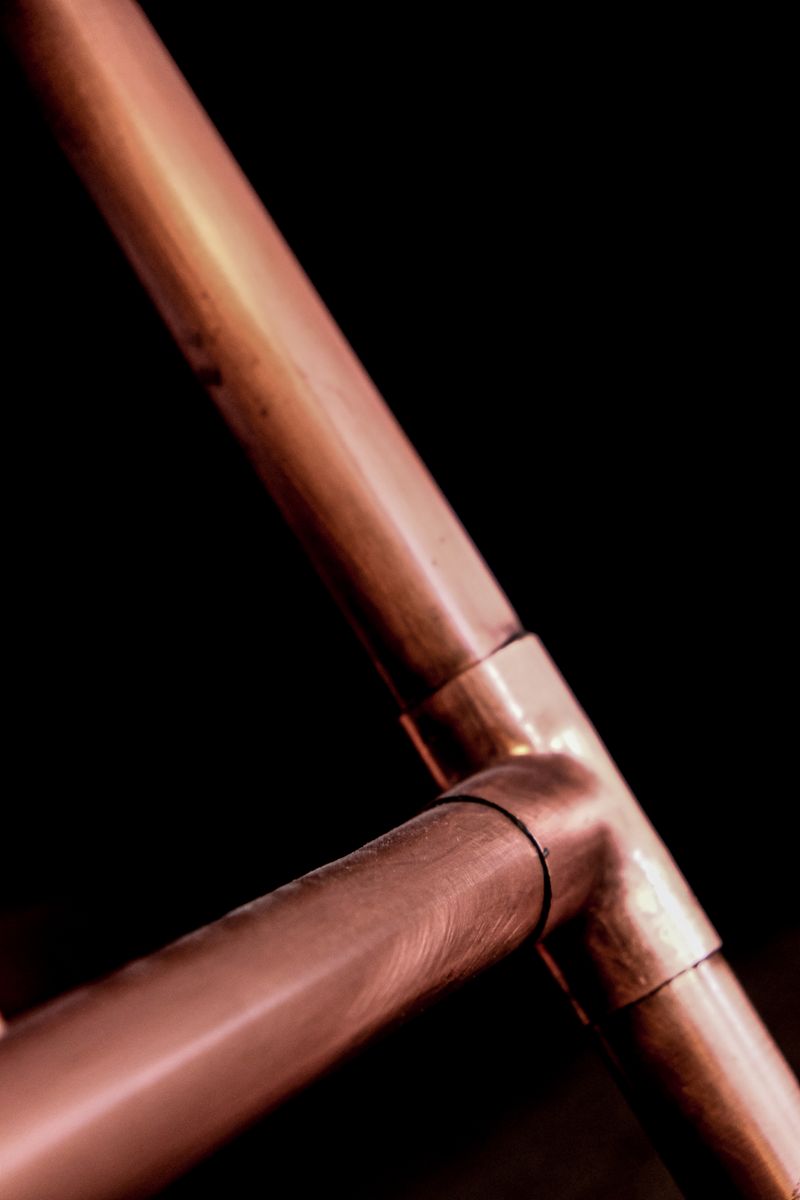
Copper has been the gold standard for residential plumbing since the 1960s. It’s proven, durable, and accepted by every building code in North America.
Pros
- Longevity: Properly installed copper lasts 50–70+ years
- Heat tolerance: Handles high temperatures without degradation
- Bacteriostatic: Copper naturally inhibits bacterial growth
- Rigid and reliable: Holds shape, supports its own weight, familiar to every plumber
Cons
- Cost: Copper prices fluctuate with the commodity market; material costs are 3–5× higher than PEX
- Labor-intensive: Requires soldering (sweating joints), which takes skill and a torch
- Freeze susceptibility: Rigid pipe cracks when water inside freezes
- Corrosion risk: Can corrode in aggressive water conditions (low pH water)
Best for
- Areas where building codes mandate metal pipe
- High-temperature applications
- Homeowners who want the longest-proven track record
Copper fittings and supplies are widely available. The Bernzomatic TS8000 Torch Kit is the standard for DIYers learning to solder copper joints.
CPVC Pipe (Chlorinated Polyvinyl Chloride)
CPVC is a rigid plastic pipe that’s been used in residential plumbing since the 1960s. It looks similar to PVC but is rated for hot water use — standard PVC is not.
Pros
- Lower cost than copper: Typically 25–50% cheaper in materials
- No soldering: Uses solvent cement instead of a torch
- Approved for hot water: Rated to 200°F, suitable for supply lines
- Corrosion resistant: Won’t corrode or scale like metal pipes
Cons
- Brittle: CPVC becomes brittle with age and in cold temperatures; it can crack if knocked
- Limited flexibility: Rigid pipe requires more fittings than PEX for complex runs
- Chemical sensitivity: Some solvents, certain foam insulations, and some thread sealants can attack CPVC
- Slower installation than PEX: Solvent joints require cure time before water is introduced
Best for
- Retrofits and repairs in homes that already have CPVC
- Hot water distribution lines where local code restricts PEX
- Projects where a rigid, cost-effective alternative to copper is needed
PEX Pipe (Cross-linked Polyethylene)
PEX has become the dominant pipe material in new residential construction over the past two decades. Its combination of flexibility, freeze resistance, and low cost has made it the go-to choice for most plumbers.
Types of PEX
- PEX-A: Most flexible, best for cold climates, most expensive; uses expansion fittings
- PEX-B: Most common, slightly stiffer, most affordable; uses crimp or clamp fittings
- PEX-C: Least flexible, less common in residential use
Pros
- Lowest material cost: Often 50–75% cheaper than copper
- Flexible: Bends around corners without fittings, significantly reducing labor and leak points
- Freeze resistant: Flexible enough to expand without cracking (though it’s not freeze-proof)
- Fast installation: No soldering or cure time; crimp, clamp, or push-fit connections
- Quiet: Reduces water hammer noise compared to rigid pipe
Cons
- UV sensitive: Cannot be used outdoors or in direct sunlight (degrades rapidly)
- Cannot be recycled: Not environmentally friendly at end of life
- Permeation risk: Can absorb chemicals from soil if run through contaminated ground
- Requires special tools: Crimp rings need a crimp tool; expansion PEX needs an expansion tool
PEX Connection Systems
- Crimp fittings: Copper rings crimped with a ratcheting tool — the SharkBite UC958LFA PEX Crimp Tool is a popular mid-range option
- Clamp (cinch) fittings: Stainless clamps tightened with a clamp tool — easier to use in tight spaces
- Push-fit (SharkBite): No tools needed — push the fitting onto the pipe and it locks; SharkBite push-to-connect fittings are ideal for repairs and retrofits
Best for
- New construction or full repipes
- Cold climates where freeze resistance is important
- DIY projects — easier to work with than copper or CPVC
- Running supply lines through walls and crawl spaces
What About PVC?
Standard PVC (white or gray) is for drain, waste, and vent (DWV) lines only — it is not rated for hot water or pressurized supply lines. Don’t confuse it with CPVC.
Which Should You Choose?
- Full house repipe: PEX-B or PEX-A — lowest cost, fastest installation, freeze-resistant
- Hot water heater connections and short runs: Copper — rated for high temperature, connects well to the heater
- Repair in a CPVC home: CPVC — match the existing system
- DIY repair or valve replacement: SharkBite push-fit fittings work on copper, PEX, and CPVC — most versatile for repairs
Always check local building codes. Some jurisdictions restrict PEX in certain applications, and permits for repipes typically require inspections.
Conclusion
PEX has largely replaced copper in new construction due to its cost, flexibility, and ease of installation. Copper remains the premium long-life choice and is still required in some applications. CPVC fills a middle ground, particularly for hot water lines in older homes. For most DIY projects, PEX with push-fit fittings or a crimp system is the easiest and most cost-effective choice.
See Also
- Pipe Burst Prevention and Winter Plumbing Preparation — PEX’s freeze resistance makes it especially valuable in the situations covered here
- Water Softener Installation Guide — pipe material affects which fittings and connection methods you’ll use when tapping the main supply line
- Bathroom Renovation Plumbing Guide — a renovation is a natural opportunity to repipe while walls are already open

Dan Rourke
Master Plumber & Founder of Flow Control HQ