How to Increase Water Pressure in Your Home
Quick answer
Low water pressure can come from a partially closed valve, clogged aerators, a failing pressure regulator, pipe corrosion, municipal supply limits, or undersized plumbing. Diagnose whether the problem is one fixture, one room, or the whole house before making changes.
Common questions
- What is the first low-pressure check?
- Confirm that the main valve and fixture shutoffs are fully open, then clean aerators and showerheads. If only one fixture is affected, the problem is usually local.
- When should you avoid simply raising pressure?
- Do not raise pressure to mask leaks, failing fixtures, old piping, or a bad regulator. Excessive pressure can damage valves, appliances, and supply lines.
Source note: Reviewed July 2026 against the article guidance and common plumbing trade practice; local code, fixture instructions, and site conditions control final repair decisions.
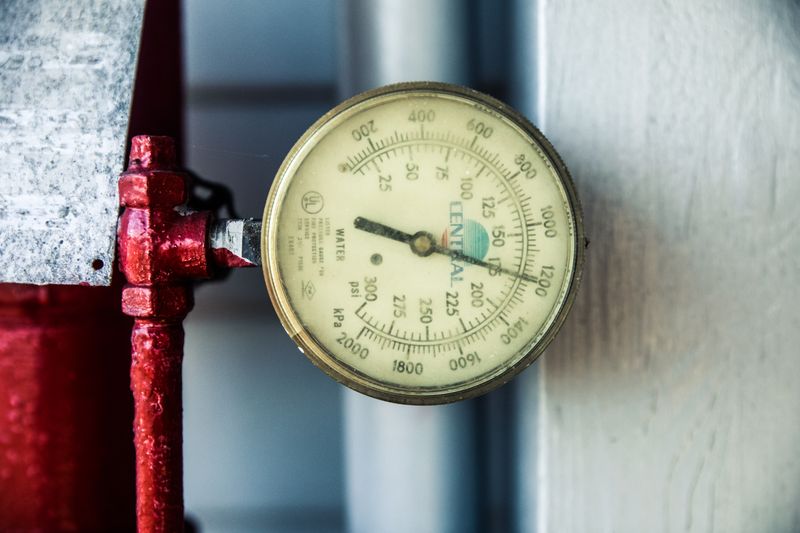
Low water pressure is one of the most frustrating plumbing problems. A weak trickle from your shower, slow-filling washing machine, or feeble garden hose can make everyday tasks take twice as long. The fix depends on what’s causing the low pressure — and many causes have straightforward DIY solutions.
Normal household water pressure is 40–80 PSI. Below 40 PSI is considered low; above 80 PSI can damage pipes and appliances.
Step 1: Test Your Current Water Pressure
Before diagnosing the cause, measure your actual pressure with a pressure gauge. Attach a water pressure gauge to an outdoor spigot or laundry room faucet, turn the water fully on, and read the dial.
- Below 40 PSI: Low pressure confirmed — work through the causes below
- 40–80 PSI: Pressure is normal — the problem may be localized (clogged aerator, etc.)
- Above 80 PSI: High pressure — you need a pressure reducing valve, not an increase
Common Causes of Low Water Pressure
1. Clogged Aerators and Showerheads
The most common cause of low pressure at a single fixture is a clogged aerator or showerhead screen. Mineral deposits from hard water restrict flow over time.
Fix:
- Remove the aerator from the faucet spout (unscrew by hand or with pliers)
- Soak in white vinegar for 1–2 hours
- Scrub with a small brush and rinse
- Reinstall
For showerheads, unscrew the head and soak it in a bag of vinegar overnight. If your showerhead is old, replacing it with a high-efficiency showerhead designed for low-pressure systems can improve flow noticeably.
2. Partially Closed Shutoff Valves
There are two main shutoff valves that affect whole-house pressure:
- The main shutoff valve: usually located where the water line enters your home (near the water meter, in the basement, or in a utility closet)
- The meter valve: at the water meter box outside, controlled by the utility company
Check that your main shutoff is fully open. A valve that’s only partially open significantly reduces pressure. Ball valves should be turned so the handle is parallel to the pipe; gate valves (with a round wheel handle) should be fully counterclockwise.
3. Pressure Reducing Valve (PRV) Needs Adjustment or Replacement
Most homes built after the 1980s have a PRV — a bell-shaped fitting where the main supply line enters the house. PRVs reduce municipal pressure to a household-safe level, but they can be adjusted or fail over time.
Before turning the adjustment screw, compare static, flowing, and time-lapse readings using the pressure-reducing valve failure guide. Pressure that creeps upward only after fixtures close may point to thermal expansion rather than a regulator that simply needs adjustment.
Adjusting the PRV:
- Loosen the lock nut on the adjustment screw
- Turn the screw clockwise to increase pressure
- Test with a gauge and aim for 50–60 PSI
- Retighten the lock nut
If adjusting doesn’t help or the PRV is old, replace it. A Watts water pressure reducing valve runs $30–$60 and is the industry standard for residential use.
4. Old Steel or Galvanized Pipes
Galvanized steel pipes common in pre-1960s homes corrode from the inside, gradually narrowing the pipe interior and reducing flow. If your home has original galvanized plumbing, low pressure and rusty water are signs the pipes have significantly corroded.
Fix: Repipe with copper or PEX — a job for a licensed plumber.
5. Leaks in the System
A leak reduces pressure throughout the system. Signs of a leak include:
- Water meter moving when all fixtures are off
- Damp spots on walls, ceilings, or floors
- Unexplained increase in water bills
- Sound of running water in the walls
Shut off all water in the house and check whether your water meter dial is still moving. If it is, you have an active leak.
6. Shared Supply Line Issues
If you’re on a municipal water supply, low pressure during peak hours (mornings and evenings) may be a provider-side issue. Contact your water utility to ask about pressure levels at the meter.
If neighbor’s pressure is fine but yours isn’t, the problem is definitely in your house’s plumbing.
7. Hot Water Pressure Only
If you have low pressure only on the hot water side, the water heater may be the culprit:
- Check that the hot water shutoff valve at the heater is fully open
- Sediment buildup in the tank can restrict flow — flush the tank (see our water heater maintenance guide)
- A partially closed or malfunctioning water heater shutoff valve is a common cause
Installing a Pressure Booster Pump
If your incoming water pressure from the utility is genuinely low (confirmed at the meter), a pressure booster pump can increase pressure throughout the house.
These systems install on the main supply line and boost pressure by 50 PSI or more. They’re most common in multi-story homes where upper floors see reduced pressure, and in areas with chronically low municipal supply pressure.
Booster pump installation is typically a job for a licensed plumber, as it involves soldering or press-fit connections on the main line.
Pressure Reading Guide
| Static pressure reading | What it usually means |
|---|---|
| Under 40 PSI | Low supply pressure or a restriction worth investigating |
| 40-60 PSI | Normal for many homes |
| 60-80 PSI | Strong but generally acceptable |
| Over 80 PSI | Too high for many plumbing systems; check the pressure reducing valve |
Do not solve weak flow by blindly increasing pressure. High pressure can shorten the life of supply lines, toilet fill valves, water heater components, and appliance hoses. If the gauge shows normal static pressure but fixtures still feel weak, the issue is more likely flow restriction: clogged aerators, undersized piping, a failing cartridge, scale, or a partially closed valve.
Before You Buy a Booster Pump
- Test pressure at an outdoor hose bib and at a laundry connection if possible
- Ask neighbors whether they have the same issue
- Confirm the main shutoff and meter valves are fully open
- Check whether a pressure reducing valve is stuck or misadjusted
- Inspect for leaks before adding pressure to the system
A booster pump is a last step after measurement, not the first purchase.
If pressure changes suddenly, treat it as a diagnostic problem, not a comfort upgrade. Sudden drops can point to a leak, failed valve, utility work, or debris that broke loose and clogged a fixture.
Conclusion
Low water pressure is usually caused by something simple: a clogged aerator, a partially closed valve, or a PRV that needs adjustment. Start by testing your pressure with a gauge, then work through the checklist from the easiest fix first. If the problem is systemic (old pipes or genuinely low supply pressure), a plumber can assess whether repipe or a booster pump is the right solution.
See Also
- How to Fix Low Water Pressure in Your Shower — when the problem is isolated to the shower, this guide covers showerhead cleaning, flow restrictors, and cartridge replacement
- PEX vs Copper vs CPVC Pipe Comparison — if corroded galvanized pipes are causing your low pressure, this guide helps you choose a replacement material
- Water Heater Maintenance and Replacement Guide — sediment buildup in an aging water heater commonly causes low hot-water-only pressure
Separate supply pressure from regulation and fixture problems
Use gauge readings and related guides to identify whether the problem begins at the supply, PRV, piping, or a single fixture.
- Pressure-reducing valve troubleshooting
Compare static, flowing, and time-lapse pressure before adjusting or replacing a PRV.
- Low shower pressure troubleshooting
Check fixture-specific restrictions when the rest of the building pressure is normal.
- Water hammer explained
Connect pressure control with fast-closing valves and pipe movement.
- Water heater expansion tank setup
Identify pressure rise caused by heated water in a closed system.

Flow Control HQ Editorial Team
Independent trade-focused editorial team