Drain Snake vs Hydro Jetting: Which Method Clears Your Clog?
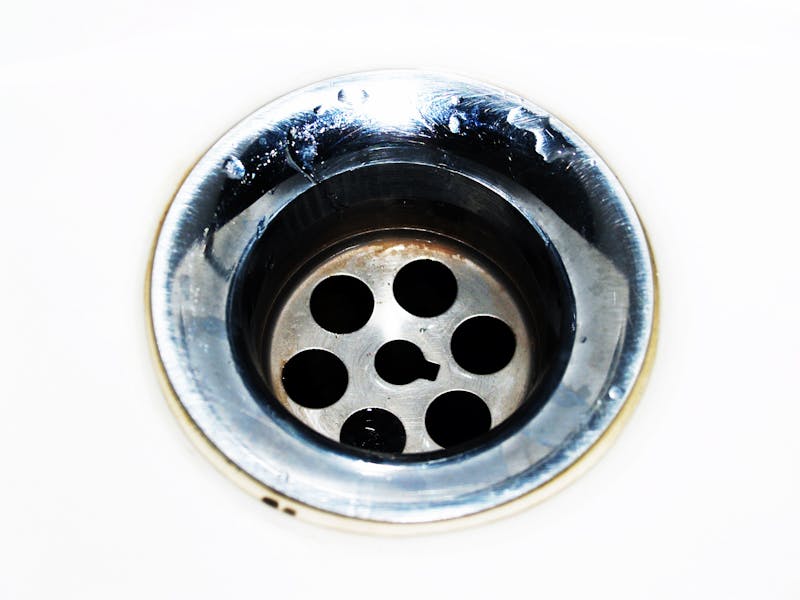
When a plunger and baking soda aren’t enough, two professional-level methods can clear even severe drain clogs: drain snaking and hydro jetting. Understanding how each works — and what situations call for which — helps you choose the right solution and avoid paying for more than you need.
Quick Answer: Start With the Symptom
Use a drain snake first for a single slow sink, tub, shower, or toilet where the clog is likely hair, paper, food, or a small object. Consider hydro jetting when clogs come back repeatedly, several fixtures are affected, grease is likely, or a camera inspection shows buildup along the pipe walls.
If the home has older clay, cast iron, or visibly damaged piping, ask for camera inspection before hydro jetting. High-pressure cleaning can be the right tool, but pipe condition matters.
What Is Drain Snaking?
A drain snake (also called a plumber’s snake or auger) is a long, flexible metal cable with a cutting or hooking head at the tip. It’s fed into the drain and rotated to either break up the clog or hook it and pull it out.
Types of Drain Snakes
Hand auger: 15–25 foot cable, hand-cranked, ideal for sink and tub clogs. The RIDGID 41408 Hand Snake is a DIY-friendly option for household clogs.
Drum auger/electric snake: Motor-powered, 50–100 feet, used by professionals for main line clogs. Significantly more power than a hand auger.
Toilet auger (closet auger): A specialized short auger designed to navigate the toilet trap without scratching the porcelain.
When Snaking Works Best
- Single fixture clogs: A clogged sink, tub, or toilet that doesn’t affect other drains
- Solid obstructions: Items that fell into the drain (toys, caps, wipes), hair clogs, and food blockages
- Moderate grease buildup: The cutting head can break through grease
- Older or fragile pipes: Snaking is gentler on pipes and is usually the safe choice for clay, cast iron, and older PVC
Limitations of Snaking
- Punches a hole through soft clogs rather than fully clearing the pipe walls
- Doesn’t remove grease and scale buildup coating pipe walls — the clog returns faster
- Can’t reach every turn in a complex drain system
- Repeated snaking on partially blocked pipes is a sign the underlying cause needs addressing
What Is Hydro Jetting?
Hydro jetting uses a specialized nozzle connected to a high-pressure water system — typically 1,500–4,000 PSI — to blast water through the drain. The nozzle usually jets water both forward (to break up the clog) and backward (to push debris down the line and flush it out).
When Hydro Jetting Works Best
- Grease buildup: Restaurants and homes with heavy kitchen grease accumulation benefit enormously — hydro jetting strips grease from pipe walls completely
- Recurring clogs: If snaking the same drain repeatedly only provides temporary relief, hydro jetting addresses the underlying buildup
- Scale and mineral deposits: High pressure water removes mineral scale that a snake can’t touch
- Main sewer line cleaning: Thorough cleaning of the entire main line before a video inspection or as preventive maintenance
- Root intrusion: Combined with a root-cutting nozzle, hydro jetting can cut and flush out tree roots infiltrating sewer lines (though severe root damage requires pipe repair)
Limitations of Hydro Jetting
- Cost: Professional hydro jetting costs $300–$600 on average (versus $100–$250 for snaking)
- Not DIY-friendly: Requires professional equipment and training; consumer pressure washers don’t generate adequate PSI for drain cleaning
- Not suitable for all pipes: High pressure can damage older clay pipes, corroded cast iron, or pipes with existing cracks. A video inspection should precede jetting on older systems
Comparison at a Glance
| Drain Snake | Hydro Jetting | |
|---|---|---|
| Average professional cost | $100–$250 | $300–$600 |
| DIY option available? | Yes | No |
| Clears solid clogs | Excellent | Good |
| Clears grease/scale buildup | Partial | Excellent |
| Safe for old pipes | Generally yes | Requires inspection |
| Preventive maintenance | Limited | Excellent |
| Recurring clog prevention | Moderate | High |
DIY Snaking: What You Can Do Yourself
For household drains (sinks, tubs, showers), a hand auger handles most clogs. For toilets, a toilet auger is the right tool — feeding a standard snake through a toilet risks scratching the porcelain or getting stuck.
For main line clogs, do not attempt DIY with a consumer-grade snake unless you have experience. Improper technique can push clogs deeper, damage the pipe, or result in the cable getting stuck in the drain.
A drill-powered drain auger bridges the gap between a hand snake and a professional electric snake, adding useful torque for more stubborn household clogs.
What Professional Plumbers Typically Recommend
- First visit for a clogged drain: Snaking is the standard first response
- Recurring clogs at the same location: Hydro jetting plus a camera inspection to identify the underlying cause
- Annual or biannual main line maintenance: Hydro jetting is the most thorough preventive treatment, especially in older homes or homes with mature trees near the sewer line
- Before purchasing an older home: Camera inspection followed by hydro jetting to get a clean baseline
Video Camera Inspection: The Third Tool
Neither snaking nor hydro jetting tells you what’s causing the problem. A sewer camera inspection ($100–$300) sends a camera through the drain to identify:
- Pipe cracks or collapses
- Root intrusion locations
- Belly sections (sagging pipes that accumulate debris)
- Offset joints
- Grease coating
Knowing what you’re dealing with before deciding between snaking, jetting, or pipe repair can save significant money.
Red Flags That Point Beyond a Simple Clog
| Symptom | Likely concern |
|---|---|
| Several fixtures back up at once | Main line blockage |
| Clog returns within days | Grease coating, roots, belly, or broken pipe |
| Gurgling after another fixture drains | Venting issue or partial main obstruction |
| Sewage odor near floor drains | Dry trap, sewer gas, or backup risk |
| Water appears in a tub when a toilet flushes | Downstream blockage |
If any of these are present, a camera inspection is worth considering before paying for repeated snaking. The camera does not clear the line, but it can prevent a cycle of temporary fixes when the actual problem is pipe condition.
Cost Planning Tip
Ask whether the quote includes cleanout access, camera work, and disposal of roots or debris removed from the line. A low advertised drain-cleaning price may cover only a basic cable pass through an easy cleanout. Hydro jetting, roof-vent access, toilet removal, after-hours service, and camera documentation are often priced separately.
Get the findings in writing, especially if the plumber recommends excavation or pipe lining after the cleaning visit.
Conclusion
For most household clogs, a drain snake — DIY or professional — is the first and best tool. It’s affordable, effective on solid blockages, and safe for most pipes. Hydro jetting is the superior choice when grease and scale are the primary problem, when clogs recur repeatedly, or as preventive maintenance for the main sewer line. When in doubt, start with snaking; if the problem keeps coming back, invest in hydro jetting and a camera inspection to find the root cause.
See Also
- How to Unclog a Drain: DIY Methods That Actually Work — start here before calling a professional; covers plungers, hand augers, and P-trap cleaning
- Signs Your Main Sewer Line Is Clogged — use this when multiple fixtures back up or drains gurgle together
- How to Find and Access Your Sewer Cleanout — cleanout access can change the cost and method
- Sewer Line Replacement Cost Guide — useful if camera inspection finds collapse, offsets, or severe root damage
- Water Hammer Explained — helps separate drain problems from pressure-related pipe noise
Diagnose the clog before choosing a clearing method
These pages connect drain-clearing choices to symptoms, cleanout access, sewer risk, and related pipe-noise problems.
- How to unclog a drain
Start with lower-risk DIY methods before deciding whether to call a plumber.
- Main sewer clog signs
Separate fixture-level clogs from whole-home sewer-line symptoms.
- Find your sewer cleanout
Locate cleanout access so a plumber can inspect or clear the line efficiently.
- Sewer line replacement cost
Review replacement-cost factors if clearing does not solve the line problem.
- Water hammer explained
Rule out pipe-noise issues that can be mistaken for drain or vent problems.
- Water heater worksheet
Use the worksheet when drain work uncovers a broader water-heater replacement plan.

Flow Control HQ Editorial Team
Independent trade-focused editorial team