Does homeowners insurance cover slab leaks?
Quick answer
Homeowners insurance may cover resulting water damage from a slab leak when the discharge is sudden and accidental, but the failed pipe, tear-out, foundation work, mold, code upgrades, and repiping can each receive different treatment. Your policy wording, endorsements, cause of loss, evidence, and state law control the claim.
Common questions
- Does homeowners insurance pay to fix the pipe under a slab?
- Not necessarily. A policy may distinguish the failed pipe from covered resulting water damage and from access needed to reach the pipe. Ask for a written decision on each part of the scope.
- Can insurance cover breaking and replacing the slab?
- Some policies may cover necessary tear-out and replacement to access a plumbing system involved in a covered loss, but the wording and facts vary. Confirm whether detection, demolition, concrete closure, and finish restoration are included.
- Are slow slab leaks covered?
- Gradual leakage, seepage, wear, corrosion, or known damage left unaddressed is often limited or excluded. Hidden-water endorsements and state-specific forms can differ, so report the facts accurately and read the applicable policy language.
- Should I wait for an adjuster before stopping the leak?
- Do not delay safe, reasonable steps needed to stop active damage. Photograph conditions when safe, follow the insurer's reporting instructions, keep damaged items when practical, save receipts, and ask before permanent repairs when the property can safely wait.
Source note: Checked October 5, 2026 against NAIC and state insurance regulator guidance. This general decision aid is not legal or coverage advice; policy language, endorsements, facts, insurer findings, and jurisdiction control.
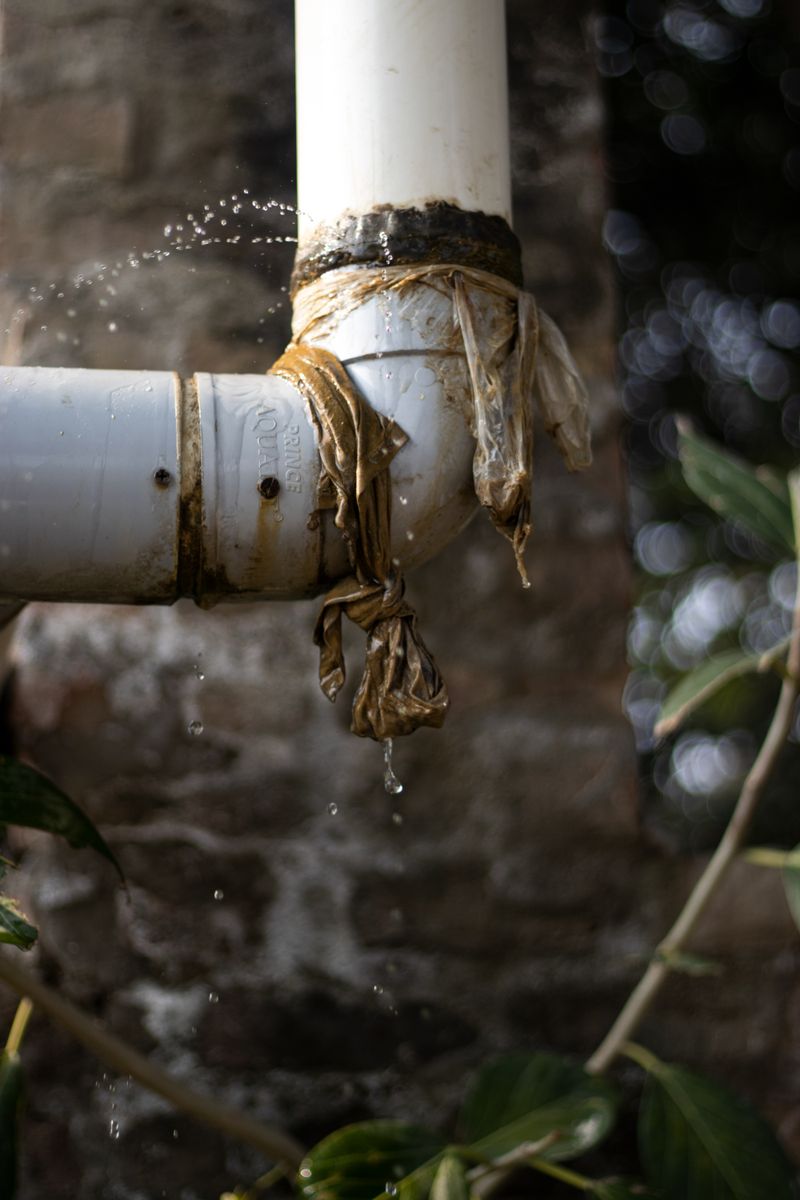
Homeowners insurance may cover some costs from a slab leak, but “the slab leak” is not one coverage item. The failed pipe, access through the floor, resulting water damage, drying, structural repairs, mold, code upgrades, and a larger repipe can all receive different decisions.
Many policies cover sudden and accidental water discharge while limiting gradual seepage, wear, neglect, flood, and other exclusions. Your policy, endorsements, cause-of-loss findings, insurer decision, and state law control. This guide is not legal advice and does not promise coverage.
If you still need to confirm the source, use the slab leak signs and detection guide. This page begins once an under-slab line is suspected or documented and the insurance questions start.
Slab leak coverage decision table
Treat this table as a list of questions, not a prediction. Ask the insurer to address every row in writing.
| Cost or damage category | Possible policy treatment | Evidence to provide or request |
|---|---|---|
| Failed pipe or fitting | Often treated differently from resulting damage; wear, corrosion, or maintenance exclusions may apply | Plumber’s cause findings, pipe material, failure location, removed part if safe to retain |
| Leak detection and access/tear-out | May be considered when opening covered property is necessary to reach a system involved in a covered loss; wording varies | Location report, marked access area, demolition scope, adjuster’s written position |
| Resulting water damage | More likely to be considered when discharge was sudden and accidental than when damage developed through repeated seepage | Discovery timeline, photos, moisture map, damaged-material list, drying records |
| Slab or foundation damage | Depends on the direct cause and exclusions; plumbing access, concrete closure, and structural movement are separate questions | Structural findings where needed, crack history, pre-loss photos, repair scope |
| Mold, fungi, or rot | Frequently limited or excluded; some policies or endorsements provide narrow coverage after a covered water loss | Moisture timeline, drying logs, inspection findings, remediation/testing limits |
| Code-required upgrades | May depend on ordinance-or-law coverage, limits, and whether the underlying loss is covered | Code citation from the authority or contractor, permit note, upgrade-only cost |
| Partial or whole-home repiping | Usually evaluated separately from repairing covered damage; a broader improvement or preventive scope may be owner-paid | Failed segment versus proposed replacement, alternate estimates, prior failure history |
NAIC consumer guidance says homeowners policies often cover resulting damage from a sudden and accidental plumbing discharge, subject to the insured maintaining the property. California and Texas regulators likewise emphasize reading the actual exclusions and distinguishing sudden water damage from gradual leakage. Do not assume that coverage for wet flooring also means coverage for the deteriorated pipe—or the reverse.
First calls after discovering a possible slab leak
- Protect people first. If water is uncontrolled, use a safe fixture or main shutoff. Do not enter standing water near electrical equipment or touch a wet panel, outlet, appliance, or switch. Structural movement, a buckling floor, contaminated water, or unsafe access requires qualified or emergency help.
- Record the visible condition. Take wide and close photos or video before moving items when it is safe. Note when the condition was first observed, which fixtures were in use, and what changed after shutoff.
- Call a qualified plumber or leak-detection professional. Ask them to identify the affected system and stop active damage with the least destructive safe work. A meter change or warm floor alone does not prove the line location.
- Notify the insurer promptly. Use the claim number and reporting channel in the policy or insurer instructions. Describe facts, not guesses about duration, cause, or coverage.
- Start appropriate mitigation. Remove standing water and begin safe drying, but follow insurer instructions about inspection and permanent work. Save receipts and do not discard damaged material unless safety requires it or the insurer authorizes it.
For safe valve choices, use the emergency water shutoff guide or the water leak shutoff triage tool. Do not delay reasonable emergency action just to wait for an adjuster.
Photo and document checklist for the claim file
Build one time-stamped folder and keep original files. Include:
- Wide views of every affected room plus close-ups of wet finishes, cracks, staining, and damaged contents
- The meter reading or leak indicator, if it can be viewed safely and the utility permits access
- A written discovery timeline, shutoff time, calls made, and temporary steps taken
- The declarations page, policy form, endorsements, deductible information, and current insurer correspondence
- Prior plumbing invoices, maintenance records, leak alerts, water bills, and earlier photos of the area
- The plumber’s report, detection images, moisture or drying logs, and all estimates
- Receipts for emergency plumbing, drying, temporary materials, storage, and lodging
- A contact log listing names, dates, instructions, claim numbers, and promised follow-ups
Do not alter dates or speculate about how long hidden water was present. If the cause or onset is unknown, say so.
What the plumber’s report should say
An adjuster needs a factual plumbing report, not a plumber’s opinion about insurance coverage. Ask for:
- Property address, inspection date, arrival condition, and whether water was active
- The affected system: hot or cold supply, drain, building service line, or another source
- Tests used, observations, test limitations, and the located or suspected failure area
- Pipe material, approximate route, and observed failure condition; “cause undetermined” if it cannot be supported
- Valves closed, temporary repairs made, removed materials, and whether the line remains isolated
- Photos or diagrams that connect the tested line to the proposed access point
- A separate permanent repair recommendation with alternatives and exclusions
An interior under-slab line and a service line outside the building can receive different scope and policy analysis. If testing points outside the slab perimeter, use the main water line replacement guide to organize that estimate.
Questions to ask the adjuster
Use the policy’s exact terms and request written answers:
- What cause of loss and date of loss are being evaluated?
- Is the failed pipe covered, excluded, or still under investigation?
- Are leak detection and tear-out covered? Which demolition and replacement surfaces are included?
- Which resulting water damage, drying, and damaged contents are included?
- Does foundation or structural review require a separate expert or coverage decision?
- What mold, fungi, rot, or microbial limits and endorsements apply?
- Is ordinance-or-law coverage available for required code upgrades, and at what limit?
- Are matching finishes, debris removal, storage, or additional living expenses addressed?
- What deductible, limits, depreciation, documentation deadlines, and proof-of-loss requirements apply?
- May permanent repair begin, and what inspection or estimate approval is needed first?
If part of the claim is denied or limited, ask the insurer to identify the policy language and factual basis used. Coverage disputes and appeal rights are jurisdiction-specific; a licensed insurance professional, state insurance department, or attorney can explain options applicable to your situation.
Hand the repair estimate to the insurer in comparable sections
Do not submit one lump-sum “slab leak repair” number. Separate the estimate into:
- Emergency mitigation: shutoff, temporary repair, water removal, drying, and monitoring
- Detection and access: line location, scanning, contents movement, floor removal, and concrete opening
- Plumbing repair: failed segment, fittings, testing, or a clearly labeled reroute alternative
- Closure and restoration: fill, concrete, flooring, cabinets, drywall, paint, and matching limitations
- Upgrades or broader work: code-only items, optional improvements, and partial or whole-home repiping
This separates the pipe repair from resulting water damage. Use the slab leak repair cost guide to normalize proposals and identify owner-paid exclusions.
What commonly changes the answer
- Sudden discharge versus repeated seepage: discovery may be sudden even when the insurer investigates whether leakage was gradual.
- Wear versus ensuing damage: an exclusion applying to the worn pipe may not answer every question about damaged finishes, access, or mitigation.
- Flood versus plumbing water: standard homeowners policies generally do not cover flood damage; separate flood coverage may apply.
- Prompt mitigation versus permanent repair: policies may require reasonable steps to prevent further damage while also requiring inspection before permanent work.
- State forms and endorsements: hidden-water, foundation, service-line, mold, and ordinance-or-law provisions vary.
Next step: create a two-column coverage and repair file
In the first column, list every claimed category and the insurer’s written position. In the second, list the matching plumber, mitigation, structural, and restoration evidence. Keep optional repiping or upgrades separate from the minimum repair needed to stop the leak and restore damaged property.
That separation makes the next conversation more useful whether coverage is broad, narrow, or still under investigation. It also keeps the insurance decision aid distinct from diagnosing the leak or choosing a repair method.
Sources checked
- National Association of Insurance Commissioners: burst-pipe water damage
- California Department of Insurance: residential insurance guide
- Texas Department of Insurance: water damage and mold coverage
- Washington Office of the Insurance Commissioner: leaks, water damage, and mold
- FEMA National Flood Insurance Program: homeowners insurance and flood damage
- CDC: electrical and reentry safety in a wet home

Flow Control HQ Editorial Team
Independent trade-focused editorial team