Best Smart Water Shutoff Valves and Leak Detectors
Quick answer
Smart leak detectors warn you about water; smart shutoff valves can also stop flow. The best choice depends on whether you need point detection under fixtures, whole-home flow monitoring, or automatic shutoff during travel.
Common questions
- Are leak sensors enough without an automatic shutoff valve?
- Sensors are useful if someone can respond quickly. If leaks might happen while you are away, a whole-home shutoff valve gives much stronger protection.
- Where should leak detectors be placed first?
- Start at water heaters, washing machines, dishwashers, under sinks, sump pits, and basement mechanical rooms. These are common leak points where early warning can prevent major damage.
Source note: Reviewed July 2026 against the article guidance and common plumbing trade practice; local code, fixture instructions, and site conditions control final repair decisions.
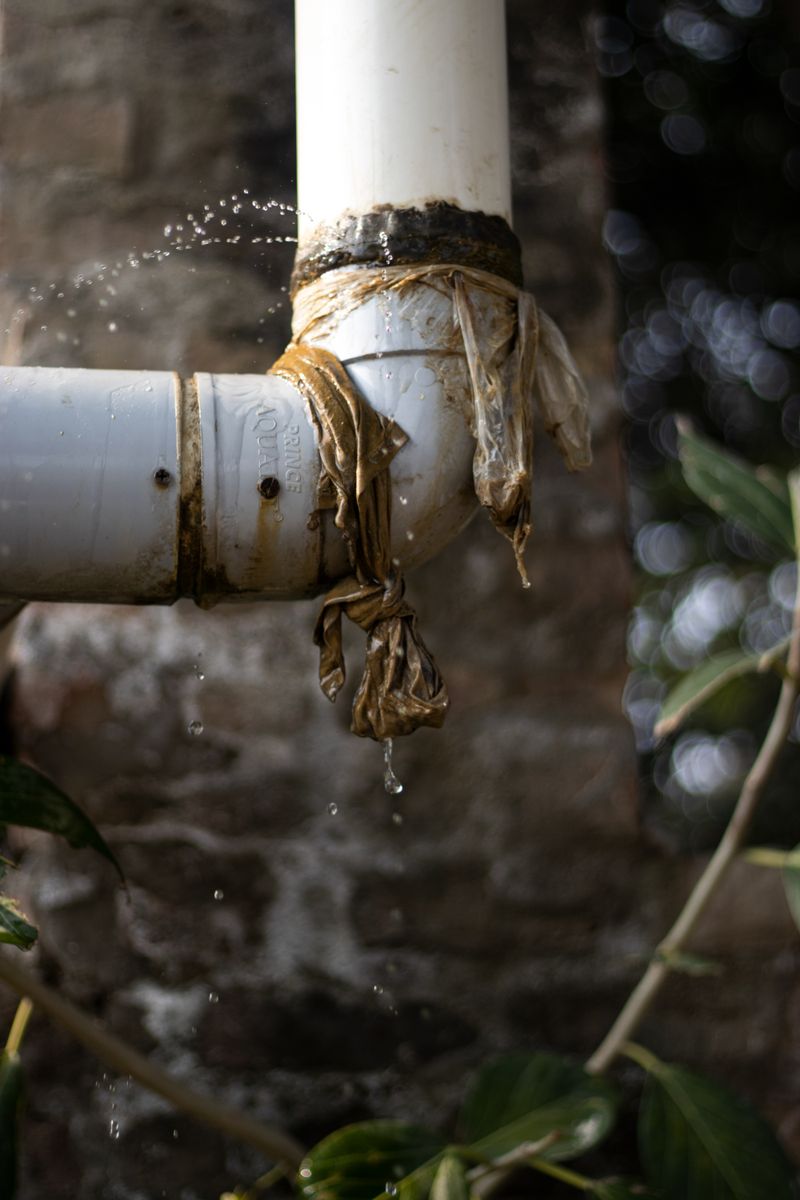
A burst washing machine hose, pinhole pipe leak, failed water heater, or running toilet can waste water for hours before anyone notices. Smart water leak detectors solve that timing problem: they warn you early, and the best systems can shut off the main water supply automatically.
This guide compares the best smart water shutoff valves and leak detectors for homeowners in 2026. The right choice depends on whether you want full automatic protection, a non-invasive water monitor, or simple point sensors for high-risk areas.
Quick Picks
| Category | Best choice | Why it stands out |
|---|---|---|
| Best whole-home shutoff | Flo by Moen Smart Water Monitor and Shutoff | Automatic shutoff, daily microleak tests, flow and pressure monitoring |
| Best premium alternative | Phyn Plus Smart Water Assistant + Shutoff | Ultrasonic sensing with no moving flow parts |
| Best no-plumbing monitor | Flume 2 Smart Water Monitor | Straps to the water meter without cutting pipe |
| Best modular shutoff kit | YoLink valve controller and leak sensors | Sensor-to-valve automation with long wireless range |
| Best budget sensor kit | GoveeLife Water Leak Detector | Affordable multi-sensor coverage with app alerts |
| Best freeze warning sensor | First Alert L1 WiFi Water Leak and Freeze Detector | Leak, temperature, and humidity alerts with a cable sensor |
Why Smart Leak Protection Is Worth Considering
The EPA’s WaterSense program estimates that average household leaks can waste more than 9,300 gallons of water per year, and some homes waste 50 gallons or more per day. Water damage and freezing are also among the most common homeowners insurance claim categories, so catching a leak early can prevent a small plumbing failure from becoming a major restoration project.
Smart leak protection is especially valuable if your home has:
- A finished basement or crawl space with mechanical equipment
- A second-floor laundry room
- Older copper, galvanized, polybutylene, or CPVC piping
- A water heater near finished living space
- A vacation home, rental property, or long periods when nobody is home
- A history of high water bills or unexplained meter movement
If you only need a one-time diagnostic walkthrough, start with our guide to hidden leak detection and high water bills. If you want ongoing protection, the devices below are the more permanent solution.
The Three Types of Smart Water Protection
Whole-home automatic shutoff systems install inline on the main cold water supply line. They monitor flow, pressure, and usage patterns across the house, then close the valve when they detect a burst pipe or abnormal flow.
Non-invasive whole-home monitors track water use without cutting the main line. They are excellent for usage tracking and leak alerts, but they do not shut off water automatically.
Point-of-use leak sensors sit under sinks, behind washing machines, near water heaters, beside sump pits, or below refrigerator ice maker lines. They are inexpensive and easy to deploy, but they only detect water that reaches the sensor.
1. Flo by Moen Smart Water Monitor and Shutoff
Best whole-home automatic shutoff system
The Flo by Moen Smart Water Monitor and Shutoff is the most practical choice for whole-home protection. It installs inline on the main water supply, monitors flow rate, pressure, and temperature, and can run daily health tests that look for tiny leaks.
The biggest advantage is automatic shutoff. If the system detects severe abnormal flow, it can close the valve and send an app alert. You can also close or open the valve remotely when traveling or managing a rental property.
Best for: Homeowners who want the strongest protection against burst pipes, failed appliance hoses, and unattended leaks.
What to know: Professional installation is recommended. Confirm pipe size before ordering, and add separate point sensors near appliances for leaks that may not create large whole-house flow immediately.
Flo by Moen
2. Phyn Plus Smart Water Assistant + Shutoff
Best premium alternative to Moen Flo
Phyn Plus competes directly with Flo by Moen, but uses ultrasonic flow sensing rather than a mechanical turbine-style flow meter. It analyzes pressure changes and fixture patterns, helping the app distinguish normal water use from abnormal leaks.
Like Moen Flo, Phyn Plus installs on the main water line and includes automatic shutoff. It is a strong fit for larger homes or homeowners who want detailed water-use insights in addition to leak protection.
Best for: Homeowners who want a premium inline shutoff system and are willing to pay for more advanced sensing technology.
What to know: Installation still involves cutting into the main water line. For the best results, spend time labeling fixture events in the app during the learning period.
Phyn Plus
3. Flume 2 Smart Water Monitor
Best no-plumbing water monitor
Flume 2 is the best choice if you want whole-home water monitoring without modifying the plumbing. The sensor straps around a compatible water meter, sends usage data to the app, and can alert you to continuous flow or unusual usage.
The tradeoff is simple: Flume can warn you, but it cannot turn off the water by itself. That makes it less protective than Moen Flo or Phyn Plus during a burst pipe emergency, but far easier to install.
Best for: Renters, utility rebate programs, homeowners who want water-use analytics, and anyone who cannot cut into the main line.
What to know: Confirm your water meter is compatible before ordering, and make sure the meter location has enough wireless range for the bridge.
Flume 2
4. YoLink Valve Controller and Leak Sensor Kits
Best modular smart shutoff setup
YoLink offers leak sensors, hubs, valve controllers, motorized valve operators, and shutoff kits that you combine based on the property. A sensor near the washing machine, water heater, or sink can trigger a connected valve controller.
The strongest feature is device-to-device automation. YoLink’s Control-D2D pairing allows compatible leak sensors and valve controllers to work together even if internet service is down. The long wireless range also helps in basements, detached garages, and larger homes where ordinary Wi-Fi sensors struggle.
Best for: Homeowners who want a flexible system, landlords protecting specific risk areas, and properties where long wireless range matters.
What to know: Many YoLink setups require a YoLink hub for app control. A motorized clamp-on operator is only as reliable as the existing ball valve, so stiff old gate valves should be replaced first.
YoLink water shutoff kits
5. GoveeLife Water Leak Detector
Best budget leak sensor kit
For broad, low-cost coverage, GoveeLife water leak detectors are hard to beat. A starter kit with a gateway and multiple sensors can cover the kitchen sink, bathroom vanity, washing machine, water heater, and basement floor without spending hundreds per location.
Govee’s current water leak detectors include loud local alarms plus app or email alerts. Some models include sensor cables, which are helpful around water heaters, dishwashers, and laundry closets.
Best for: Homeowners who want affordable sensor coverage in several high-risk areas.
What to know: These sensors alert; they do not shut off water unless paired with a separate compatible smart valve system. Place sensors where leaked water will actually flow, not just where the appliance looks convenient.
Govee water leak detectors
6. First Alert L1 WiFi Water Leak and Freeze Detector
Best for freeze and cable-based detection
The First Alert L1 WiFi Water Leak and Freeze Detector is a strong standalone option for basements, utility rooms, vacation homes, and water heater closets. It monitors for water, freezing temperatures, and humidity changes.
The expandable cable is the main advantage. Instead of detecting water at one small point, the cable can sense moisture along its length, making it useful around water heaters, sump pump basins, and behind appliances.
Best for: Water heater areas, freeze-prone spaces, basements, and homeowners who want simple Wi-Fi sensors without building a full smart home system.
What to know: It does not include automatic shutoff. Temperature alerts are useful, but they do not replace proper pipe burst prevention and winterization.
First Alert water leak detectors
Where to Place Leak Sensors
Even the best smart water system performs better when sensors are placed well. Prioritize locations where leaks are common:
- Behind or beside the washing machine
- Under the kitchen sink and dishwasher
- Beneath bathroom vanities
- Near the water heater drain pan
- Beside the sump pump pit
- Behind refrigerators with ice maker lines
- Near water softeners, filtration systems, and reverse osmosis equipment
- In the lowest point of a finished basement
For automatic shutoff systems, point sensors are still useful. A slow leak under a sink may not create enough whole-home flow to trigger a main-line shutoff quickly.
What to Check Before Installing a Smart Shutoff Valve
Before ordering an inline smart shutoff, inspect your main water service area:
- Pipe size and material: Confirm whether the line is copper, PEX, CPVC, or another material, and measure the pipe size.
- Main shutoff condition: If your existing shutoff is corroded, stiff, or gate-style, replace it with a full-port ball valve before adding smart controls.
- Power and Wi-Fi: Inline devices need power nearby and reliable wireless signal.
- Fire sprinkler systems: Do not install a device that can accidentally shut off a required fire sprinkler supply without professional guidance.
- Irrigation branches: Decide whether the irrigation system should be monitored as part of the house or branched off separately.
If you are not comfortable identifying these details, hire a plumber.
Before purchasing the hardware, review our automatic water shutoff valve installation cost guide and ask a plumber to confirm pipe size, access, power, required adapters, permits, and any main-valve replacement.
Which System Should You Buy?
Choose Flo by Moen for the best all-around whole-home shutoff, Phyn Plus for premium ultrasonic sensing, Flume 2 for no-plumbing monitoring, YoLink for flexible sensor-and-valve automation, GoveeLife for budget point sensors, and First Alert L1 for freeze warnings and cable-based detection.
Final Takeaway
For maximum protection, install a whole-home automatic shutoff system and add point sensors at the highest-risk fixtures. For most homeowners, that means Flo by Moen or Phyn Plus at the main line, plus Govee, YoLink, or First Alert sensors near appliances and the water heater.
If the budget is tight, start with point sensors today and upgrade to a main-line shutoff later. Any reliable alert is better than discovering a leak after the floor is already saturated. Just make sure everyone in the house knows how to shut off water in an emergency before the alarm goes off.

Flow Control HQ Editorial Team
Independent trade-focused editorial team