Septic System Maintenance Guide
Roughly one in five American homes relies on a septic system rather than a municipal sewer connection. For those homeowners, the septic system is an invisible but critical piece of infrastructure — one that quietly does its job for decades when properly maintained, or fails catastrophically and expensively when neglected.
The average septic system replacement costs between $15,000 and $30,000. A routine pump-out costs $300 to $600. The math makes the case for maintenance better than any argument could. This guide covers everything you need to know to keep your system running reliably: how it works, how often to pump it, what to keep out of it, and how to protect the drain field that makes it all possible.
How a Septic System Works
Understanding how the system works makes every maintenance recommendation make sense.
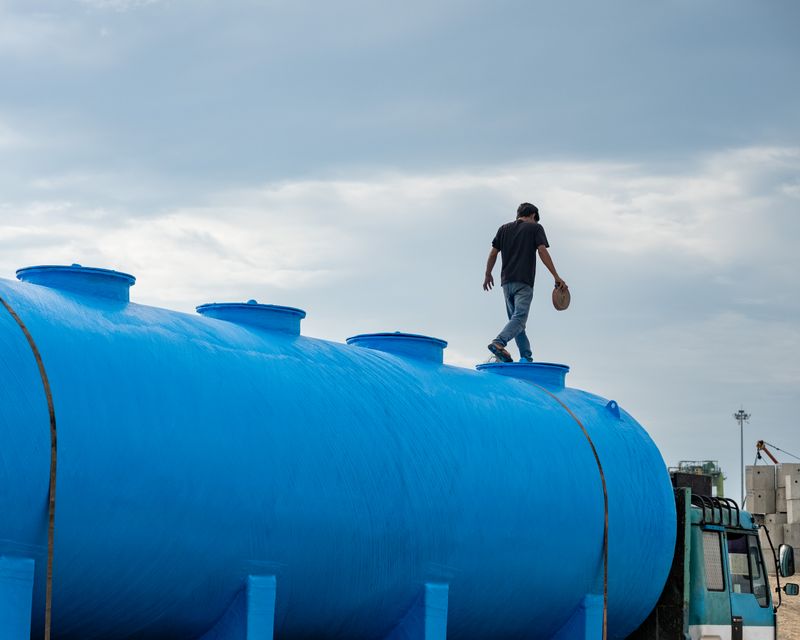
Wastewater from your home flows through the main drain line into the septic tank, a buried, watertight container made of concrete, fiberglass, or polyethylene, typically holding between 1,000 and 1,500 gallons. Inside the tank, the waste separates into three layers:
- Scum layer: Fats, oils, and grease float to the top
- Effluent layer: Relatively clear liquid wastewater in the middle
- Sludge layer: Heavy solids settle to the bottom
Naturally occurring anaerobic bacteria in the tank break down the organic solids in the sludge layer over time. The liquid effluent in the middle layer flows out through an outlet pipe (protected by a baffle) into the drain field (also called the leach field or absorption field).
The drain field consists of a network of perforated pipes buried in trenches filled with gravel. Effluent trickles out through the perforations, passes through the gravel, and is further filtered and treated as it percolates down through several feet of soil before reaching the groundwater table. The soil is the final and most important treatment step.
This entire process depends on balance: the tank must have enough capacity and bacterial activity to process incoming waste, and the drain field must be able to absorb effluent without becoming saturated.
Septic Tank Pumping: Schedules and Costs
Why Pumping Is Non-Negotiable
The bacteria in your tank break down a significant portion of the solids, but not all of them. Inorganic materials, undigested solids, and byproducts of bacterial activity accumulate in the sludge layer over time. If the sludge builds up high enough to reach the outlet baffle, it will pass into the drain field — which is a one-way ticket to drain field failure.
Once a drain field clogs with solid material, it typically cannot be rehabilitated. Replacement is the only option, and it is expensive.
Pumping removes the accumulated sludge and scum before they reach dangerous levels, resetting the clock and allowing the system to function properly.
Recommended Pumping Frequency
The general rule is to have your septic tank pumped every 3 to 5 years, but the right interval for your household depends on several variables:
| Household Size | Tank Size (gallons) | Recommended Interval |
|---|---|---|
| 1-2 people | 1,000 | 5-7 years |
| 2-3 people | 1,000 | 3-5 years |
| 4-5 people | 1,500 | 3-5 years |
| 6+ people | 1,500+ | 2-3 years |
If you use a garbage disposal, pump more frequently — food waste significantly increases the solids load entering the tank. Similarly, if you have frequent house guests or run a home-based business with heavy water use, shorten your pumping interval accordingly.
What to Expect During a Pump-Out
A licensed septic contractor will locate the tank access lids (your system should have them mapped; if not, the contractor can use a probe or consult records), open the tank, and vacuum out the contents with a truck-mounted pump. The job takes 30 to 60 minutes for a typical residential tank.
A good contractor will also:
- Inspect the inlet and outlet baffles for damage
- Check for signs of backflow or drain field problems
- Note the sludge and scum levels to help calibrate your next pumping interval
- Inspect the tank walls for cracks
Typical costs:
- Basic pump-out: $250 to $500 (varies by region and tank size)
- Pump-out plus inspection: $400 to $700
- Finding a buried lid or risers: Add $50 to $150
Installing concrete or plastic risers to bring the access lids to grade level (flush with the ground) makes future pump-outs faster and cheaper. If your lids are currently buried, adding risers is a worthwhile one-time investment.
What Not to Flush or Pour Down the Drain
This is the most important section for day-to-day septic health. Your tank’s bacterial ecosystem is delicate. Many common household products kill the bacteria that make the system function.
Never Flush These Items
- “Flushable” wipes — These do not break down. They accumulate in the tank and clog the drain field.
- Paper towels — Far too thick and slow-dissolving for a septic system
- Feminine hygiene products — Tampons, pads, applicators
- Cotton balls and swabs
- Dental floss — Synthetic fibers that do not decompose
- Condoms and latex products
- Cigarette butts
- Cat litter — Even “flushable” varieties
- Medications — Both for environmental reasons and because some antibiotics and antifungals kill the bacteria in your tank
- Diapers
The rule is simple: only human waste and toilet paper go down the toilet.
Chemicals That Harm Your Septic System
The bacterial colony in your tank is what makes everything work. These substances kill or significantly inhibit it:
- Antibacterial soaps and cleaners in large quantities
- Bleach — Occasional small amounts (a load of laundry) are tolerable, but frequent heavy use disrupts bacterial populations
- Chemical drain cleaners (Drano, Liquid-Plumr) — These are extremely harmful to septic systems. Never use them.
- Paint, solvents, and thinners
- Gasoline, motor oil, antifreeze — These are also groundwater contaminants
- Photographic chemicals
For drain clogs in a septic-system home, use a plumber’s snake or call a plumber. Never reach for a chemical drain cleaner.
Limit These Substances
- Garbage disposal waste — Significantly increases the solids load. Minimize use or eliminate it entirely.
- Cooking grease and fats — Even liquid, these cool and solidify in the tank and drain field. Dispose of grease in the trash.
- Large amounts of food scraps
Septic-Safe Cleaning Products
Switch to septic-safe cleaning products that are clearly labeled as biodegradable and free of harsh antimicrobials. Some good options:
Seventh Generation dish soap, laundry detergent, and all-purpose cleaner are plant-based and widely available. Their laundry detergent is available on Amazon and is a solid everyday choice.
Rid-X Septic Tank Treatment (available on Amazon) contains enzymes and bacteria specifically formulated to support the bacterial ecosystem in your tank. It is not a substitute for pumping, but monthly use can help maintain bacterial populations between pump-outs, especially if your household uses antibacterial products.
For toilets, avoid in-tank bleach tablets. Use a toilet bowl cleaner applied directly to the bowl and limit contact time before flushing.
Drain Field Care and Protection
The drain field is the most vulnerable and most expensive component of your septic system. Protecting it is paramount.
Keep Traffic Off the Drain Field
Never drive vehicles, park, or operate heavy equipment over the drain field. The weight compacts the soil and can crush the perforated pipes. Even riding lawn mowers should be used with care — push mowing over the field is preferable.
Do Not Plant Trees or Shrubs Near the Drain Field
Tree and shrub roots seek moisture and will infiltrate drain field pipes just as they invade sewer lines. Keep all trees and large shrubs at least 30 feet from any drain field component. Grass is the ideal covering — it uptakes moisture without damaging the infrastructure, and its roots stay shallow.
Divert Surface Water Away From the Drain Field
The drain field soil must be able to absorb effluent. If it is already saturated from surface runoff, rainfall, or a neighboring downspout, it cannot accept more liquid and the system will fail. Grade the ground around the drain field to direct rainfall away, and keep downspouts well clear of the area.
Watch for Signs of Drain Field Problems
Early warning signs include:
- Soggy or spongy ground over the drain field area
- Unusually lush, dark green grass directly over the field (indicating effluent surfacing)
- Sewage odor in the yard
- Slow drains throughout the house that cannot be attributed to a blockage
- Gurgling sounds from drains
If you notice any of these, stop all non-essential water use in the home and call a septic contractor immediately. Continued use of a failing drain field accelerates the damage and dramatically reduces the chance of any repair being possible.
Maintain the Drain Field’s Oxygen Supply
Aerobic soil bacteria help with final treatment of effluent in the drain field. Compacted soil and saturated conditions kill this aerobic zone. Some contractors offer drain field aeration services — small holes are drilled into the soil to restore oxygen levels — as a last-ditch rehabilitation measure. Results vary.
Water Conservation and Septic Systems
Your septic system can only process a certain volume of water per day. Overloading it with excessive water use — especially in a short time period — pushes partially treated effluent into the drain field before it has been adequately processed, and can flood the field.
Practical conservation steps:
- Spread laundry loads throughout the week rather than doing 8 loads on Saturday
- Fix leaking toilets and dripping faucets promptly — a running toilet can add 200 gallons per day to your system
- Install low-flow showerheads and faucet aerators
- Take shorter showers
- Run dishwashers and washing machines only when full
- Avoid using multiple high-water appliances simultaneously
A standard rule of thumb: a properly sized system can handle about 50 to 75 gallons per person per day. For a family of four, that’s 200 to 300 gallons. Many households exceed this without realizing it.
Annual Inspection Checklist
Even between pump-outs, an annual check of your system takes only a few minutes and can catch problems early.
- Walk the drain field and check for wet spots, odors, or unusually green grass
- Check the tank access risers for cracks or damage to the lids
- Verify that downspouts and surface drainage are directed away from the drain field
- Check all interior drains for slowness
- Look at the area around the tank for any signs of settling or ground disturbance
- Confirm your pumping schedule and book the next appointment
Locating Your Septic System Records
Every septic system is permitted through the local health department or environmental agency, and installation records (including a site plan showing tank and drain field locations) are on file. If you don’t have a copy, contact your county health department. This map is essential for contractors performing maintenance and for avoiding accidental damage when digging or landscaping.
If your home was built before reliable record-keeping, a septic contractor can probe for the tank with a metal rod or use electronic locating equipment.
The Bottom Line on Septic Costs
| Service | Typical Cost |
|---|---|
| Routine pump-out | $300 to $600 |
| Pump-out with inspection | $400 to $700 |
| Riser installation | $200 to $500 |
| Tank repair (baffle, lid) | $150 to $500 |
| Drain field repair | $1,000 to $5,000 |
| Full drain field replacement | $5,000 to $20,000 |
| Full system replacement | $15,000 to $30,000 |
The conclusion is clear: the cost of neglecting a septic system dwarfs the cost of maintaining it. A $400 pump-out every three years — roughly $130 per year — is among the best maintenance investments a homeowner can make.
Treat your septic system as the significant piece of infrastructure it is: know where it is, schedule regular pump-outs, keep harmful materials out of it, and protect the drain field. A well-maintained system will serve your household reliably for 25 to 40 years or more.

Flow Control HQ Editorial Team
Independent trade-focused editorial team