Reverse Osmosis System Installation Guide
Quick answer
An under-sink reverse osmosis system is most useful when your water report or test results point to dissolved contaminants, taste problems, or high TDS that a basic carbon filter will not address. Match the system to NSF/ANSI 58 claims, feed-water pressure, drain access, cabinet space, filter cost, and maintenance discipline before drilling or cutting anything.
Common questions
- Should everyone install reverse osmosis?
- No. RO makes the most sense when the water problem is dissolved contaminants, taste, odor, high TDS, or a specific certified reduction claim. If your water concern is only sediment or chlorine taste, a simpler certified filter may be enough.
- What should I check before buying an RO system?
- Check the local water report, cabinet space, drain connection, available faucet hole, feed-water pressure, replacement-filter cost, and the exact NSF/ANSI 58 contaminant claims for the model.
Source note: Reviewed July 2026 against EPA Consumer Confidence Report guidance, NSF reverse-osmosis certification guidance, and common under-sink plumbing constraints. Local plumbing code, manufacturer instructions, and water-advisory notices control final installation decisions.
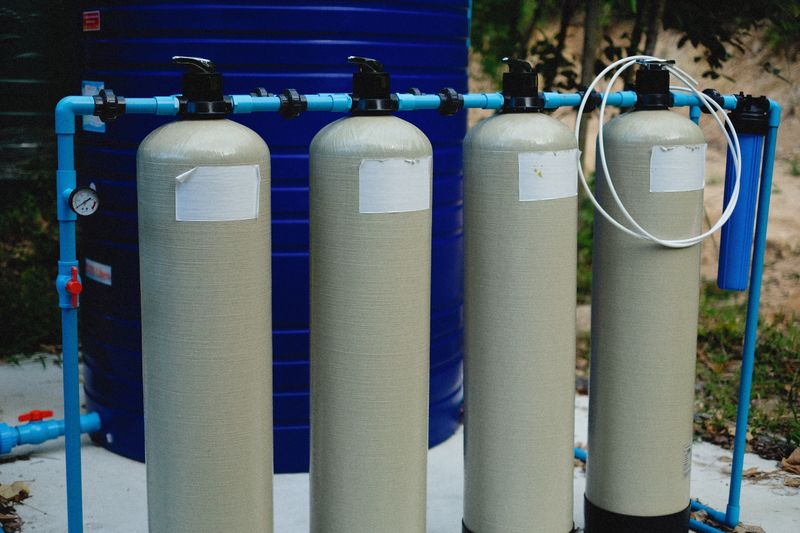
Reverse osmosis is a powerful drinking-water tool, but it is not the automatic answer for every kitchen sink. Start with the problem you are trying to solve: taste, odor, high total dissolved solids, a contaminant listed in your local water report, private-well uncertainty, or a specific health advisory. Then choose a system whose certification and maintenance requirements actually match that problem.
This guide covers how RO systems work, who should consider one, who should skip one, what to verify before buying, a step-by-step under-sink installation walkthrough, and how to keep the system useful after the first filter set ages out.
Decide First: Is RO the Right Filter?
Use RO when the concern is dissolved contaminants or mineral content, not just visible sediment. The EPA’s Consumer Confidence Report finder is the first stop for municipal water because it shows detected regulated contaminants and source-water details. For private wells, use a certified laboratory test before choosing treatment.
| Situation | RO fit | Better next step |
|---|---|---|
| High TDS, salty taste, nitrate concern, fluoride reduction, or specific dissolved-contaminant target | Strong fit if the model is certified for that claim | Compare NSF/ANSI 58 performance data sheets before buying |
| Chlorine taste only | Often more system than needed | Certified carbon under-sink filter may be simpler and cheaper |
| Rust, grit, or visible particles | Only after sediment control | Fix upstream sediment first so the RO membrane is not overloaded |
| Lead concern from service line or old plumbing | Useful only when certified for lead reduction and maintained | Also identify lead sources; a filter is not a pipe-replacement plan |
| Boil-water notice or microbiological unsafe water | Do not rely on a basic residential RO system alone | Follow the advisory and local health-department instructions |
Look for certification language, not vague claims. NSF explains that NSF/ANSI 58 applies to point-of-use RO drinking-water treatment systems. A model can be certified for one reduction claim and not another, so check the exact performance data sheet for lead, nitrate, arsenic, fluoride, TDS, PFAS, or any other target you care about.
RO Buyer Worksheet
Fill this out before ordering a system:
| Field note | What to record | Why it changes the choice |
|---|---|---|
| Water source | Municipal CCR, private well test, or building report | Determines which contaminant claims matter |
| Target contaminant | Taste, TDS, lead, nitrate, fluoride, PFAS, arsenic, or other | Prevents buying a system certified for the wrong problem |
| Feed pressure | Static pressure at the sink if known | Low pressure slows production and may require a booster pump |
| Cabinet space | Width, depth, height, disposal location, pullout trays | Tank systems and filters need service clearance |
| Faucet opening | Existing soap/sprayer hole, air-gap requirement, countertop material | Drilling stone or porcelain can turn DIY into pro work |
| Drain layout | Tailpiece, disposal, dishwasher connection, trap position | Bad drain-saddle placement causes noise, leaks, and backups |
| Filter budget | Annual filters plus membrane interval | Cheap systems become expensive when proprietary filters cost more |
| Maintenance owner | Person who will log dates and change filters | Neglected RO can become worse than a simpler maintained filter |
Skip DIY installation and call a plumber when shutoff valves are frozen, copper or PEX modifications are needed, the sink is stone and has no spare hole, the drain layout conflicts with the manual, the home has a pressure regulator problem, or local code requires an air-gap faucet you are not comfortable installing.
How Reverse Osmosis Works
Reverse osmosis forces pressurized tap water through a semi-permeable membrane with pores measured in nanometers — small enough to block dissolved salts, heavy metals, bacteria, and most synthetic chemicals. The clean “permeate” water collects in a storage tank and flows to a dedicated faucet. The concentrated reject water (carrying the removed contaminants) goes down the drain.
Most residential systems are 4- or 5-stage units:
- Stage 1 — Sediment pre-filter (5 micron): Removes particles, silt, and rust that would clog or damage the membrane.
- Stage 2 — Carbon block pre-filter: Removes chlorine, chloramines, and VOCs that degrade the RO membrane.
- Stage 3 — Second carbon block (some systems): Further chloramine reduction before the membrane.
- Stage 4 — RO membrane: The primary filtration stage; removes dissolved solids, heavy metals, fluoride, and nitrates.
- Stage 5 — Post-carbon polishing filter: Removes any residual taste or odor from the storage tank before water reaches your glass.
Some premium systems add a remineralization stage that adds calcium, magnesium, and potassium back into the ultra-pure permeate water, improving taste and restoring beneficial minerals.
Selecting the Right RO System
Key Specifications to Compare
Production capacity is listed in gallons per day (GPD). For a family of four, a 50–75 GPD system is generally adequate. Higher-output systems (100+ GPD) reduce wait times when the tank is depleted.
Waste water ratio measures how many gallons of reject water are produced per gallon of purified water. Older systems waste 3–4 gallons per 1 gallon of output. Modern efficient systems target a 1:1 or 2:1 ratio. The APEC ROES-PH75 and newer iSpring RCC7AK models fall in the more efficient range.
Tank size on standard under-sink units is 3–4 gallons. The tank itself stores roughly 2–2.5 gallons of usable water when accounting for air bladder pressure. That is enough for cooking and daily drinking for most households.
NSF certifications matter. Look for systems certified to NSF/ANSI Standard 58, which covers RO drinking-water systems and verifies specific contaminant reduction claims. Also check NSF’s broader water treatment system consumer guidance if you are deciding between RO, carbon, softening, or whole-house treatment.
Recommended Systems
APEC Water Systems ROES-50 A consistently top-rated 5-stage system producing 50 GPD. It uses WQA-certified filters, includes all hardware and tubing, and fits under most standard 24-inch cabinets. Replacement filters run approximately $35–$55 per set annually. Verify current prices with manufacturers, dealers, or retailers before buying.
APEC ROES-PH75 (with remineralization) A 75 GPD 6-stage system that adds alkaline minerals in the final stage. Ideal for households that want balanced pH and improved taste. Replacement filter sets cost approximately $45–$65. Verify current prices with manufacturers, dealers, or retailers before buying.
iSpring RCC7AK A popular 6-stage 75 GPD system with an alkaline remineralization filter. The transparent filter housings make it easy to visually monitor filter condition. Strong customer support and widely available replacement filters. Verify current prices with manufacturers, dealers, or retailers before buying.
iSpring RCC7 The 5-stage (non-alkaline) version of the above. A solid entry-level choice for those who want proven performance without the remineralization stage. Verify current prices with manufacturers, dealers, or retailers before buying.
Tools and Materials Required
Before starting, gather the following:
- Adjustable wrench and channel-lock pliers
- Drill with 1/2-inch and 1-3/8-inch hole saw bits
- Teflon tape (PTFE tape)
- Bucket and towels
- Pencil or marker
- Flashlight or headlamp
- Utility knife
Most RO system kits include the tubing, fittings, drain saddle clamp, supply line adapter, and faucet. Verify all components are in the box before starting.
Step-by-Step Installation
Step 1: Plan the Layout
Open the cabinet under your kitchen sink. Identify the following:
- Cold water supply line: The RO system connects to the cold side only.
- Drain pipe: The reject water line connects to the P-trap or drainpipe via a saddle clamp.
- Available space: The storage tank is typically 12 inches in diameter and 15 inches tall. Confirm it fits before purchasing.
- Dedicated faucet hole: Most kitchen sinks have a blank knockout hole for a soap dispenser or sprayer — this is often used for the RO faucet. If not, you will need to drill a new hole.
Step 2: Install the Faucet
If using an existing knockout hole, remove the plug. If drilling a new hole:
- Use a 1-3/8-inch hole saw for most RO faucets.
- Drill slowly through stainless steel sinks to avoid heat damage. Apply cutting oil.
- Granite or composite sinks may require a diamond-tipped bit.
Feed the faucet supply tube down through the hole from above. Secure the faucet with the mounting nut from underneath. Hand-tighten, then snug with channel-lock pliers — do not overtighten on thin sink material.
Step 3: Install the Drain Saddle
The drain saddle clamps to the sink drain pipe and diverts the RO reject water.
- Choose a location on the vertical section of the drain pipe, above the P-trap, ideally 6–8 inches below the sink basket.
- Mark the hole location with a pencil. Drill a 1/4-inch hole through one side of the drain pipe only.
- Assemble the saddle clamp around the pipe, aligning the port with the drilled hole.
- Tighten the saddle clamp screws evenly. Do not overtighten — plastic drain pipes crack easily.
- Insert the drain line fitting into the saddle port.
Step 4: Tap the Cold Water Supply
Turn off the cold water supply valve under the sink. Open the cold faucet to release pressure.
The supply adapter included with most RO kits replaces the existing shutoff valve or tees off the existing supply line:
- Angle stop adapter method: Unscrew the existing cold water supply line from the shutoff valve. Thread the RO angle stop adapter onto the valve. Reconnect the supply line to the adapter’s outlet. Connect the RO feed line to the adapter’s 1/4-inch port. Apply Teflon tape to all threaded connections.
- Inline needle valve method (less common): A needle valve pierces the supply line without disconnecting it. This is faster but less reliable long-term — opt for the adapter method when possible.
Step 5: Mount the Filter Housing Assembly
Most systems mount to the rear wall of the cabinet with screws.
- Hold the filter housing bracket against the wall at the manufacturer’s recommended height (usually 4–6 inches off the cabinet floor to allow filter removal).
- Mark screw locations and drive the included screws into the cabinet wall. Use wall anchors if the cabinet back is thin or hollow.
- Hang the filter housing on the bracket.
Insert the filters into their housings in the numbered order indicated in the manual. Each filter housing has a directional flow arrow — confirm alignment.
Step 6: Connect the Tubing
RO systems use push-to-connect (John Guest style) fittings. To connect:
- Cut the supplied tubing cleanly and squarely with a utility knife.
- Push the tube fully into the fitting until it seats. Give a gentle tug to confirm it is locked.
Follow the labeled ports on the filter housing:
- IN port from cold water supply adapter
- OUT port to the storage tank (through the membrane housing)
- Drain port to the saddle clamp on the drain pipe
- Tank port from the storage tank
- Faucet port to the dedicated faucet
Trim tubing lengths to avoid sharp bends (minimum 2-inch bend radius) and kinking.
Step 7: Connect and Position the Storage Tank
The storage tank connects via a 1/4-inch push-connect fitting at its top. Most tanks are shipped pre-charged to 6–8 PSI. The ideal tank pressure is 5–7 PSI when empty.
- To check pressure: unscrew the cap over the Schrader valve (like a bicycle tire valve) on the tank’s side or bottom.
- Use a tire pressure gauge to verify pressure.
- If low, use a bicycle pump or compressor to add air.
Position the tank in the cabinet. It can lay on its side if needed.
Step 8: First Flush and Testing
- Restore cold water supply. Check all connections for leaks immediately.
- Allow the storage tank to fill completely — this takes 2–4 hours with 50–75 GPD systems at normal residential water pressure (40–80 PSI).
- Open the RO faucet and drain the tank completely. Discard the first tank. This flushes manufacturing residue from filters.
- Allow the tank to refill, then discard again. Some manufacturers recommend two to three initial flush cycles.
- After the final flush, the water is ready to use.
Step 9: Test TDS Levels
Use a TDS meter to verify the system is working correctly.
Recommended TDS Meter: HM Digital TDS-EZ Water Quality Tester
Test your tap water TDS first, then the RO output. A properly functioning RO system should reduce TDS by 90–97%. If your tap water reads 350 ppm, your RO output should be 10–35 ppm. Readings above 50 ppm suggest the membrane needs replacement or the system isn’t operating at adequate pressure.
Also recommended: Apera Instruments AI209 pH/TDS/EC meter — a multi-parameter meter that also tests pH, useful for systems with remineralization filters.
Maintenance Schedule
Consistent maintenance is what keeps RO water quality high and extends membrane life.
| Component | Typical replacement interval | Log this every time |
|---|---|---|
| Sediment pre-filter | Every 6–12 months | Date, filter part number, visible sediment load |
| Carbon block pre-filter(s) | Every 6–12 months | Date, chlorine taste/odor notes, pressure drop |
| RO membrane | Every 2–3 years | Tap TDS, RO TDS, percent reduction, tank refill time |
| Post-carbon polishing filter | Every 12 months | Taste notes after a full tank flush |
| Remineralization filter (if present) | Every 12 months | pH/TDS change after replacement |
Percent reduction worksheet: (tap TDS - RO TDS) / tap TDS x 100. If tap water is 350 ppm and RO water is 28 ppm, the reduction is about 92%. A single reading is not a lab test, but logging the trend helps you catch membrane decline.
Signs your filters need early replacement:
- TDS creep — output TDS rising over time
- Reduced flow from the RO faucet
- Off-taste or odor in the water
- Longer tank refill times
Replacement Filter Sets
APEC replacement filter set (stages 1–3 and 5): APEC WFS-4 Filter Set
iSpring replacement filter set: iSpring F7-75 7-Stage Replacement Filter Set
Troubleshooting Common Issues
Slow or no water from the faucet
- Check that the feed water shutoff valve is fully open.
- Verify tank pressure (should be 5–7 PSI when empty).
- Check for kinked tubing.
- Sediment pre-filter may be clogged — replace if past the 6-month mark.
Reject water running continuously (system not shutting off)
- The automatic shut-off valve (ASO) may be faulty.
- Tank may have lost its air charge — repressurize to 5–7 PSI.
- Tank pressure that is too high relative to line pressure can prevent proper shutdown.
TDS reduction is poor
- RO membrane may need replacement.
- Feed water pressure may be too low — RO systems need at least 40 PSI to function properly; 60–80 PSI is optimal.
- Add a booster pump if your home water pressure is consistently below 40 PSI.
Water has a plastic or chemical taste during first use
- Normal for new systems. Complete the recommended flush cycles (2–3 full tanks discarded).
- If taste persists after three flush cycles, replace the post-carbon filter.
Puddle under the sink
- Check all push-connect fittings by hand — tug each line to verify it’s fully seated.
- Inspect the drain saddle for cracked plastic or loose screws.
- Check the faucet base seal.
Cost Summary
| Item | Estimated Cost |
|---|---|
| RO system (mid-range 5–6 stage) | $150–$250 |
| Annual filter replacement | $40–$80 |
| Membrane replacement (every 2–3 years) | $25–$50 |
| TDS meter | $15–$30 |
| Professional installation (if applicable) | $150–$300 |
DIY installation with basic plumbing skill typically takes 1.5–3 hours. The system pays for itself in 12–24 months compared to bottled water costs for a typical family.
Final Thoughts
A reverse osmosis system is worth considering when the water report, test result, or taste problem points to dissolved contaminants that a simpler filter will not handle. The strongest choice is not the flashiest model; it is the system with the right certified claims, serviceable filters, enough pressure, a drain layout you can install cleanly, and a maintenance log you will actually use.
Choose drinking-water treatment around the actual water problem
These resources connect RO system selection to water testing, whole-house filtration, shutoff planning, and under-sink fixture constraints.
- How to test water quality at home
Start with water-report and test-result context before choosing RO, carbon, or whole-house filtration.
- Whole-house water filter guide
Compare point-of-use RO with whole-home sediment, carbon, and specialty treatment.
- Water filter pitcher comparison
Consider a simpler filter path when the problem is taste, chlorine odor, or low-volume drinking water.
- Kitchen faucet buying guide
Check faucet-hole and under-sink clearance constraints before adding a dedicated RO faucet.
- Emergency water shutoff guide
Confirm shutoff locations before modifying under-sink supply lines.
- Sink fixture and filter fit worksheet
Measure deck holes, cabinet clearance, shutoffs, and filter service access before buying.

Flow Control HQ Editorial Team
Independent trade-focused editorial team