Outdoor Kitchen Plumbing Guide
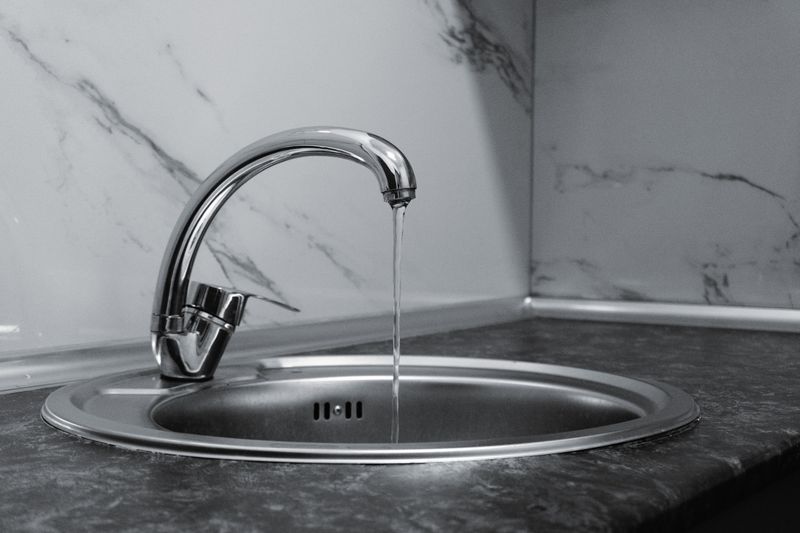
An outdoor kitchen transforms a backyard from a space you visit into a space you live in. But a cooking station without running water — without a sink to rinse produce, fill a pot, or wash your hands — is fundamentally limited. Adding plumbing to an outdoor kitchen is what elevates it from a glorified grill to a fully functional outdoor living space.
Outdoor kitchen plumbing is not dramatically different from interior plumbing in principle, but it demands special attention to freeze protection, pipe routing, material selection, and local code requirements that apply uniquely to exterior installations. This guide covers everything you need to plan, route, install, and protect your outdoor kitchen’s water supply and drain lines.
Planning Before You Dig
Determine Your Water Source
The first question is where the water will come from. Your options:
From the home’s interior supply: The most common approach. Tap into a cold water supply line inside the home — typically in the basement, utility room, or crawl space — and run a new pipe through the foundation wall and underground to the outdoor kitchen. This gives you full household water pressure (typically 50 to 80 PSI) and a reliable, large-diameter source.
From an outdoor hose bib: Simpler, but limited to the diameter of the existing hose bib piping (often 1/2 inch) and requires working through the hose bib location. Suitable for a single outdoor sink with light use.
Dedicated tap at the meter: In some cases, running a dedicated line from near the water meter allows for a shutoff that’s separate from the home’s interior plumbing — making winterization and service more straightforward.
For a full outdoor kitchen, tapping the interior supply line with a dedicated shutoff is the recommended approach.
Determine Your Drain Destination
Where will wastewater go? This is often the more challenging part of outdoor kitchen plumbing. Your options:
Connect to the home’s drain/waste/vent (DWV) system: The most code-compliant and permanent option. The outdoor sink drain runs underground to connect to the home’s interior drain stack or to a cleanout. This requires a properly vented drain line (which may mean running a vent pipe back to the house or installing an air admittance valve, depending on local code).
Gray water pit or dry well: Some jurisdictions permit sink drain water (gray water) to discharge into a buried dry well — a gravel-filled pit that allows water to percolate into the surrounding soil. This is simpler to install but is not permitted in all areas and is not suitable for high-volume use or contaminated water (never for food waste that includes meat scraps).
Tie into an existing cleanout or stub-out: If there is an existing cleanout or exterior drain stub-out near the kitchen location, connecting to it may be the easiest code-compliant path.
Check with your local building department before finalizing your drain plan. Outdoor kitchen drains that connect to the main DWV system require a permit in virtually all jurisdictions.
Permits and Codes
Any plumbing work that connects to the potable water supply or the sanitary drain system requires a permit in most jurisdictions. Outdoor kitchens are no exception. Before starting:
- Contact your local building department to understand permit requirements
- Ask about setback requirements for outdoor structures and plumbing
- Confirm what drain options are permitted (some municipalities prohibit gray water pits entirely)
- Inquire about backflow prevention requirements for the outdoor supply line
Pulling permits protects you legally and ensures the work is inspected. Unpermitted plumbing can complicate home sales and may not be covered by homeowner’s insurance in the event of a water damage claim.
Pipe Material Selection
Choosing the right pipe material for outdoor and underground use is critical.
PEX Tubing: The Best Choice for Outdoor Supply Lines
PEX (cross-linked polyethylene) tubing is the ideal material for outdoor kitchen water supply lines. Its advantages:
- Flexibility: PEX bends around obstacles and through tight spaces without fittings, reducing leak points
- Freeze resistance: PEX can expand slightly when water inside freezes, then return to its original shape — it is significantly more freeze-tolerant than rigid PVC or copper
- Ease of installation: No solvent cementing or soldering required; connections are made with crimp, clamp, or push-to-connect fittings
- Corrosion resistance: Will not corrode, scale, or pit like copper
PEX-A (Uponor/Wirsbo) is the most flexible and most freeze-resistant type of PEX. It is made using the Engel method, which produces a higher degree of cross-linking. PEX-B (SharkBite, Viega) is slightly less flexible but still significantly better than copper or CPVC for outdoor use, and is less expensive.
For outdoor supply lines, use a minimum of 3/4-inch PEX for the main run from the house to the outdoor kitchen location, then reduce to 1/2-inch for the sink supply connections. 3/4-inch carries sufficient flow for a sink, an outdoor refrigerator ice maker connection, and a potential future outdoor shower without significant pressure drop.
Uponor AquaPEX 3/4-inch PEX-A tubing (available on Amazon) is a professional-grade supply line material used by plumbers nationwide. Sold by the foot or in 100-foot coils, it is rated for both potable water and hydronic applications.
For connections and fittings, match the fitting type to your PEX type. PEX-A uses expansion fittings (ProPEX); PEX-B works with crimp or clamp fittings. SharkBite push-to-connect fittings (available on Amazon) are compatible with PEX-A, PEX-B, copper, and CPVC and are an excellent choice for DIY connections — they require no special tools and can be disconnected if needed.
CPVC and Copper: Acceptable But Less Ideal
Copper is durable and code-compliant, but it is more expensive than PEX, requires soldering, and is more susceptible to freeze damage. CPVC is affordable and solvent-cemented, but it becomes brittle in cold temperatures and is more prone to cracking from freeze-thaw cycles than PEX.
For outdoor underground supply lines, PEX is the clear best choice.
PVC for Drain Lines
The drain line from the outdoor sink should be Schedule 40 PVC — the same material used for interior drain lines. PVC is the standard for DWV systems, is straightforward to work with using solvent cement, and is highly durable underground.
Use 3-inch Schedule 40 PVC for the main drain line running underground; reduce to 1.5-inch PVC for the connection to the sink trap. Drain lines must maintain a minimum slope of 1/4 inch per foot (2% grade) toward the connection point to ensure proper drainage.
Trenching for Supply and Drain Lines
Both supply and drain pipes need to be buried underground to reach from the home to the outdoor kitchen. Trenching is the central physical task of this project.
Trench Depth
Supply line (PEX): Bury at least 12 inches deep to protect from mechanical damage (digging, aeration, etc.). In climates with ground frost, bury below the frost line — which ranges from 12 inches in the South to 48 to 60 inches in northern states. Check your local frost depth. Burying below the frost line is the most reliable freeze protection for supply lines in cold climates.
Drain line (PVC): Bury deep enough to maintain the required slope (1/4 inch per foot) from the sink’s trap arm connection (at the sink cabinet level, typically 18 to 24 inches above grade) to the connection point. This often means the drain line must run relatively deep — calculate the required depth based on your run distance and slope requirement.
For a 20-foot run with 1/4-inch per foot slope: 20 ft x 0.25 in/ft = 5 inches of drop. If the drain exits the sink cabinet at 20 inches above grade, it enters the ground at roughly 18 inches depth (allowing for the trap and connection fittings) and reaches the connection point 5 inches deeper — approximately 23 inches deep at the far end.
This math matters before you start digging.
Supply and Drain in the Same Trench
It is permissible and common to run both the supply line and the drain line in the same trench, provided:
- The supply line is separated from the drain line by at least 6 inches vertically, with the supply line on top
- Both are within the same horizontal trench width
This reduces overall excavation and landscape disruption.
Trench Width and Digging Methods
A trench 12 inches wide is sufficient for most outdoor kitchen plumbing runs. Dig using:
- Shovel (manual): Practical for runs up to 20 to 30 feet
- Trencher rental: $150 to $300 per day; makes quick work of longer runs
- Mini-excavator rental: $300 to $500 per day; needed for deep trenches (below frost line in cold climates) or rocky soil
Call 811 before digging to have underground utilities marked.
Installing the Supply Line
Penetrating the Foundation
If tapping the interior supply line, the new pipe must pass through the foundation wall. Use a hammer drill with a 1-inch or larger masonry bit (for 3/4-inch PEX) to drill through the foundation. Seal around the penetration with hydraulic cement on the interior and exterior-grade waterproof caulk on the outside after the pipe is run.
Running PEX Underground
PEX can be run directly in the ground or inside a PVC conduit sleeve for additional protection. For a permanent outdoor kitchen installation, running PEX inside a 3/4-inch or 1-inch PVC conduit adds protection against soil movement and makes future pipe replacement possible without re-excavation. This approach is especially worthwhile for runs longer than 20 feet.
Feed the PEX through the PVC conduit before installing the conduit in the trench (it is very difficult to fish PEX through an installed conduit).
Shutoff Valve at the House
Install a ball valve shutoff inside the home, on the new supply branch, where it is accessible and will not freeze. This allows the entire outdoor supply line to be shut off and drained for winter without affecting the home’s interior plumbing.
Shutoff Valve at the Kitchen
Install a second ball valve at the outdoor kitchen end of the supply line, inside a buried valve box or within the kitchen cabinet, to allow isolation of the kitchen fixtures without going back to the house.
Frost-Proof Sillcocks
If your outdoor kitchen design includes a faucet that will be used year-round or in climates with occasional frost, install a frost-proof sillcock (freezeless outdoor faucet) rather than a standard faucet.
A frost-proof sillcock positions the actual shutoff valve 8 to 12 inches back inside the warm wall (or in this case, inside an insulated cabinet or box), so the water in the faucet body drains out automatically when the handle is closed. This eliminates freeze damage at the faucet itself.
The Woodford Model 22CP frost-proof sillcock (available on Amazon) is a professional-grade option available in stem lengths from 6 to 18 inches. For an outdoor kitchen cabinet installation, a 12-inch or 18-inch stem provides ample depth to position the valve in a protected location.
For outdoor kitchen installations in climates below Zone 7 (frequent hard freezes), a frost-proof sillcock is essential for any faucet connection that doesn’t have its own interior shutoff and drain-down capability.
Freeze Protection Strategies
If your outdoor kitchen is in a climate that experiences freezing temperatures, a multi-layered freeze protection plan is essential.
Strategy 1: Shutoff and Drain-Down
The most reliable approach. Before the first freeze of the season:
- Close the interior shutoff valve for the outdoor supply line
- Open the outdoor faucet to drain residual water from the pipe
- Disconnect the sink supply hoses and drain them
- Pour RV-grade antifreeze (propylene glycol) into the sink trap to protect it (do not use automotive ethylene glycol antifreeze, which is toxic)
This works for any climate and any pipe material. For most homeowners, this is the primary winterization method.
Strategy 2: Below-Frost-Line Burial
Burying supply lines below the local frost depth ensures that soil temperatures around the pipe never drop below freezing. This is the standard approach in cold climates and eliminates freeze risk for the buried portion of the pipe, though the faucet and above-grade connections still need protection.
Strategy 3: Self-Regulating Heat Tape
For sections of pipe that cannot be buried deep enough or that run above grade (such as through the kitchen cabinet to the faucet), self-regulating heat tape prevents freezing. The cable wraps around the pipe, senses temperature, and provides just enough heat to keep the pipe above freezing.
Frost King Electric Pipe Heating Cable (available on Amazon) is a self-regulating cable rated for outdoor use. Apply it to any pipe section that will be exposed to freezing temperatures and is not adequately insulated. Wrap the cable in foam pipe insulation over the top to retain the heat.
Heat tape requires a GFCI-protected outlet within reach. Most outdoor kitchen electrical setups include GFCI outlets, so this integration is usually straightforward.
Strategy 4: PEX-A Over Copper or CPVC
As noted earlier, PEX-A has inherent freeze tolerance that copper and rigid plastic do not. Even if a pipe freezes, PEX-A is far less likely to split than alternative materials. This is not an excuse to skip other freeze protection measures, but it is a meaningful safety margin.
Installing the Outdoor Sink
Sink and Faucet Selection
Outdoor kitchen sinks should be made from marine-grade 304 or 316 stainless steel or a weather-resistant material designed for outdoor use. Standard indoor stainless sinks will rust in outdoor environments. Look for sinks specifically rated for outdoor use, or marine/boat sinks.
Faucets for outdoor kitchens should be solid brass or stainless steel construction with no chrome-plated zinc or pot metal components that will corrode. Commercial-style faucets with a coil spring and high arc work well in outdoor settings.
Trap and Drain Connection
Every sink requires a P-trap at the drain to prevent sewer gas from entering the kitchen. Use a standard 1.5-inch sink P-trap, then connect to the 1.5-inch drain line running to your underground PVC.
The drain line must be properly vented. Without venting, the P-trap will siphon dry, allowing sewer gas (if connected to a DWV system) or allowing odors from a dry well to enter the kitchen. Options:
- Air Admittance Valve (AAV): A one-way valve installed at the drain that allows air to enter the drain pipe to equalize pressure without a traditional vent stack. AAVs are code-accepted in most jurisdictions for island or remote fixtures. Install it inside the kitchen cabinet above the flood rim of the sink.
- Vent to the home: Run a vent pipe from the drain line back to the home’s vent stack. This is the most reliable but most labor-intensive option.
Confirm which venting method is accepted by your local building authority.
Outdoor Kitchen Plumbing Cost Estimate
| Component | DIY Cost |
|---|---|
| PEX-A supply line (50 ft) | $30 to $60 |
| PVC drain pipe and fittings | $40 to $80 |
| Ball valves (2) | $20 to $50 |
| Frost-proof sillcock | $30 to $60 |
| Backflow preventer | $30 to $80 |
| SharkBite/crimp fittings | $30 to $70 |
| AAV and sink trap | $20 to $40 |
| PVC conduit sleeve (supply) | $15 to $30 |
| Heat tape and insulation | $30 to $60 |
| Permit fee | $50 to $200 |
| Trencher rental | $150 to $300 |
| Total DIY | $445 to $1,030 |
Professional installation: $1,500 to $4,000 depending on run distance, frost depth, and local labor rates.
The Bottom Line
Outdoor kitchen plumbing is achievable as a DIY project for homeowners with some plumbing experience, but it demands careful planning around freeze protection, drain venting, permitting, and material selection. The key decisions — pipe material (PEX-A is the clear choice), freeze strategy (shutoff-and-drain plus heat tape for above-grade components), and drain destination (connect to the DWV system where possible) — determine whether your outdoor kitchen plumbing will function reliably for decades or become a problem at the first hard freeze. Get those decisions right at the design stage, pull the permit, and execute with quality materials, and you’ll have a fully functional outdoor kitchen that expands your living space for years to come.

Flow Control HQ Editorial Team
Independent trade-focused editorial team