How to Stop a Running Toilet: Diagnosis and Fix Guide
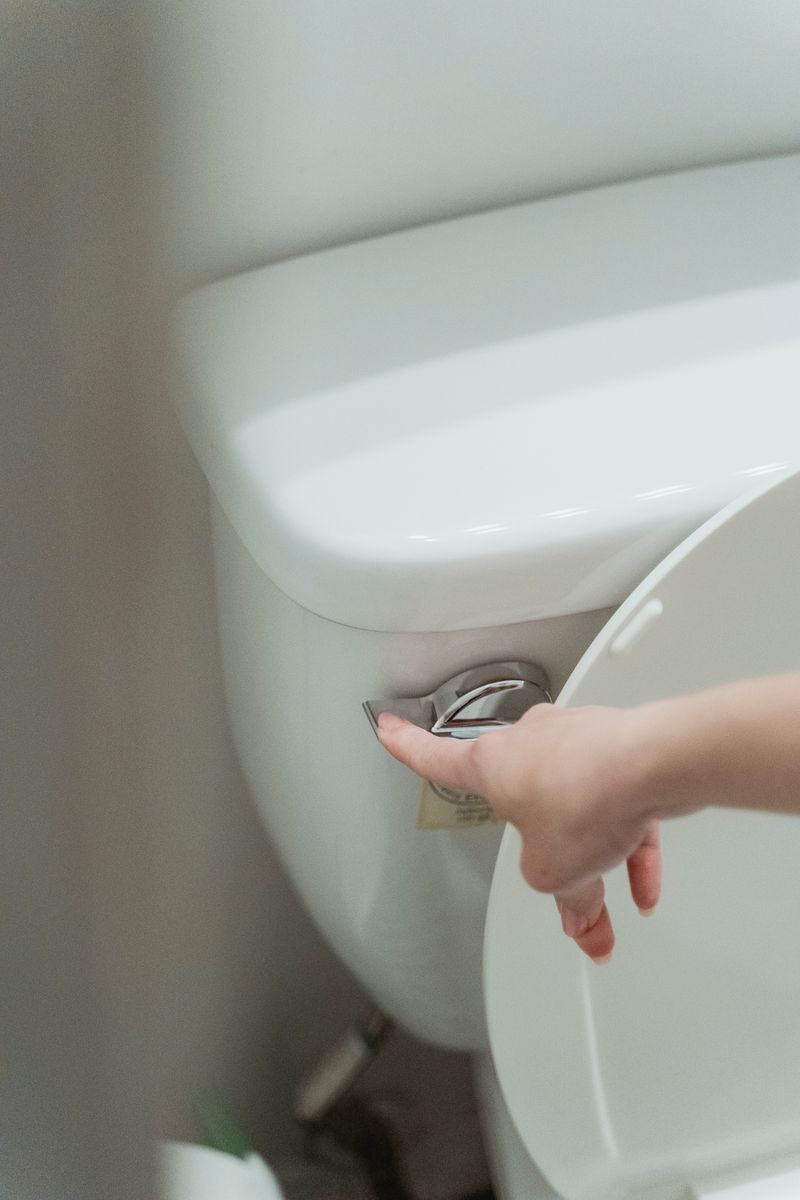
A running toilet isn’t just annoying — it’s wasteful. A constantly running toilet can waste 200 gallons of water per day, adding $100 or more to your annual water bill. The good news: almost all running toilet problems can be fixed in under an hour with parts that cost less than $20.
How a Toilet Works
To fix the problem, it helps to understand the basics. When you flush:
- The flapper lifts to let tank water rush into the bowl
- The bowl fills, waste is flushed out
- The flapper closes to seal the tank
- The fill valve opens to refill the tank with water
- As the water level rises, the float rises too
- When the float reaches the set level, it shuts off the fill valve
If any of these components fail, the toilet runs continuously.
Diagnosing the Problem
The Dye Test
Add a few drops of food coloring to the tank. Wait 10 minutes without flushing. If color appears in the bowl, you have a flapper leak — the most common cause.
Listen and Look
- Hissing sound: Fill valve is leaking or the float is set too high
- Water draining into overflow tube: Float is set too high, allowing water to overflow into the bowl continuously
- Intermittent running (every 20–30 minutes): Slow flapper leak — the tank slowly empties and the fill valve kicks on to refill it
Check the Overflow Tube
Remove the tank lid and look at the overflow tube (the tall tube in the center). If water is flowing over the top of it, the float is set too high.
Fix 1: Adjust the Float
If water is going into the overflow tube, lower the float so the water level sits about 1 inch below the top of the overflow tube.
Ball float (older style — a ball on an arm): Bend the float arm downward or adjust the adjustment screw at the pivot point.
Cup float (modern style — a cylinder that slides up and down the fill valve): Pinch the clip and slide it down, or turn the adjustment screw counterclockwise.
Fix 2: Replace the Flapper
A leaking flapper is the most common cause of a running toilet. Flappers cost $5–$10 and take 15 minutes to replace.
- Turn off the water supply valve (the knob behind the toilet near the floor)
- Flush to empty the tank
- Unhook the old flapper from the ears on the overflow tube and disconnect the chain from the flush handle arm
- Install the new flapper by hooking it onto the overflow tube ears
- Attach the chain to the flush handle — leave about ½ inch of slack (too tight and the flapper won’t seal; too loose and it won’t lift fully)
- Turn the water back on and test
The Fluidmaster 502P21 Universal Flapper fits most toilet brands and is highly rated for durability.
Fix 3: Replace the Fill Valve
If adjusting the float doesn’t stop the running, the fill valve itself may be worn. A full fill valve replacement costs $10–$15 in parts.
- Shut off the supply valve and flush to empty the tank
- Disconnect the supply line from the fill valve at the bottom of the tank
- Unscrew the lock nut under the tank that holds the fill valve in place
- Lift out the old fill valve
- Install the new valve: adjust the height per instructions, insert through the tank hole, tighten the lock nut
- Reconnect the supply line
- Clip the refill tube (the small tube from the fill valve) into the overflow tube
- Turn the water on and adjust the float so the water level is 1 inch below the overflow tube top
The Fluidmaster 400AH Fill Valve is the industry standard and fits virtually every toilet.
Fix 4: Replace the Handle and Flush Arm
If the handle sticks in the down position after flushing, it holds the flapper open and the toilet runs until you jiggle it. Replace the flush handle arm — it’s a $10 fix.
- Remove the tank lid
- Unscrew the nut holding the handle (lefty-tighty, righty-loosey — it has reverse threads)
- Unhook the chain from the flush arm
- Install the new handle and reconnect the chain
Complete Toilet Repair Kit
If multiple components are worn, it often makes sense to replace the entire internal assembly at once. A complete repair kit like the Korky 4010PK Complete Repair Kit includes a fill valve, flapper, and handle for around $20, and takes about 30 minutes to install.
When to Call a Plumber
DIY fixes handle the vast majority of running toilet problems. Call a plumber if:
- Water is leaking from the base of the toilet (wax ring failure or cracked porcelain)
- The toilet rocks when you sit on it (loose floor bolts or rotted subfloor)
- You see cracks in the tank or bowl
Why This Repair Pays for Itself
EPA WaterSense notes that a constantly running toilet can waste hundreds of gallons per day, and even small leaks add up quickly. That makes a $5 flapper or $20 repair kit one of the fastest-payback plumbing repairs in the house.
After any repair, do a second dye test:
- Wait until the tank fully refills.
- Add dye or food coloring to the tank.
- Wait 10 minutes without flushing.
- If color appears in the bowl, the leak is still active.
This quick check prevents a “fixed” toilet from silently wasting water for another month.
Choosing Replacement Parts
Bring the old flapper or fill valve model number to the hardware store when possible. Universal parts work for many toilets, but high-efficiency and dual-flush models often need brand-specific seals. If the flush valve seat is rough or pitted, a new flapper may still leak; replace the flush valve assembly or use a repair kit designed to create a new smooth seat.
When in doubt, check the toilet manufacturer’s parts diagram before opening the package.
Conclusion
A running toilet is almost always caused by a worn flapper, a misadjusted float, or a failing fill valve. All three are inexpensive repairs you can do yourself in under an hour. Start with the dye test to confirm the problem, replace the identified part, and your toilet — and water bill — will thank you.
See Also
- Toilet Installation Guide — if the toilet is cracked or beyond repair, this step-by-step covers a full replacement
- How to Shut Off Water in a Plumbing Emergency — the toilet shutoff valve is your first line of defense when a toilet overflows
- How to Unclog a Drain — if the toilet is running and flushing poorly, a partial clog may be contributing to the problem

Flow Control HQ Editorial Team
Independent trade-focused editorial team