How to Install a Walk-In Shower
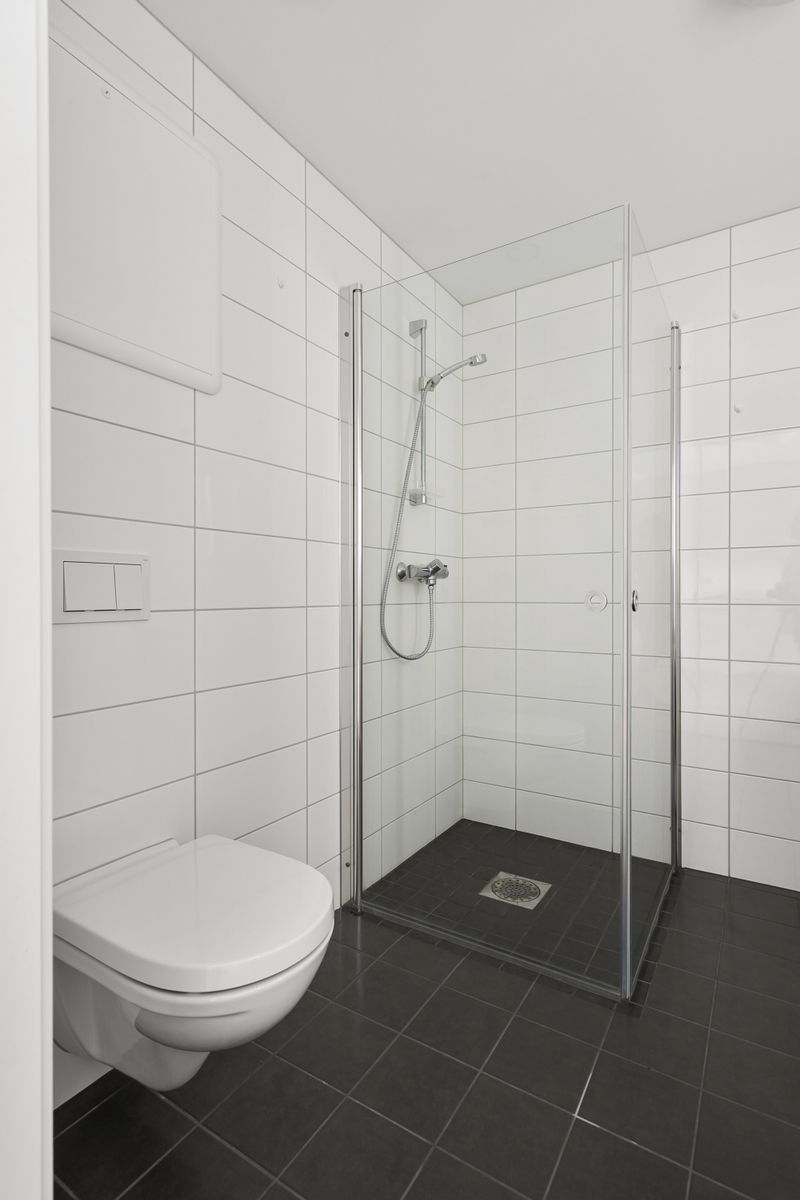
Installing a walk-in shower is one of the most rewarding bathroom remodeling projects a homeowner can undertake. Done correctly, it adds significant home value, improves daily function, and can last decades without issues. Done incorrectly, it leads to water damage behind walls, mold growth inside the floor assembly, and costly repairs that far exceed what the original installation cost.
This guide walks through every stage of a proper walk-in shower installation — from framing and rough-in plumbing to waterproofing and the final drain installation — with the detail you need to do it right the first time.
Project Overview and What to Expect
Difficulty: Intermediate to advanced Time required: 3–5 days (including curing time for mortar and waterproofing) Permit required? In most jurisdictions, yes — especially for new plumbing rough-in. Check with your local building department. Estimated material cost: $800–$3,500+ depending on shower pan type, drain, valve, and finish materials
What This Guide Covers
- Planning and code requirements
- Framing the shower space
- Drain rough-in and supply line rough-in
- Installing a prefabricated shower pan vs. a mortar bed
- Waterproofing
- Installing tile backer board
- Drain final installation
What this guide does not cover: Tile setting, grouting, glass door installation, or electrical work (for steam showers). Each of those is a complete project in itself.
Step 1: Planning and Code Requirements
Before any demolition or rough-in work begins, clarify these requirements:
Minimum shower dimensions: Most codes require a minimum 36 x 36 inches of interior floor space. A 36 x 48-inch or 36 x 60-inch footprint is more comfortable and is easier to tile.
Shower door clearance: Walk-in showers typically use either a frameless glass door, a curtain rod, or a walk-in opening (no door) with a privacy wall. Plan the door swing or curtain clearance before finalizing the footprint.
Drain location: The drain must be positioned to allow proper slope in the shower floor — 1/4 inch of drop per foot of horizontal run toward the drain. For a center drain, this means sloping the floor from all four sides. For a linear drain positioned at one wall, the entire floor slopes toward that wall.
Vent requirements: The shower drain must be properly vented per your local plumbing code. In most cases, the shower drain ties into an existing vent stack, but if you are adding a new shower location, you may need to add a new vent.
Water supply: Standard shower valves require 1/2-inch supply lines (one hot, one cold). Your rough-in must bring 1/2-inch lines to the valve location — typically 48 to 54 inches above the finished floor, centered on the valve wall.
Step 2: Framing the Shower Space
If you are converting an existing bathtub space or building a new shower enclosure, framing is the foundation of everything that follows.
Studs: Use 2x6 framing for any wall that will receive a showerhead, valve, or body spray. The extra depth accommodates valve bodies, which protrude further than standard studs allow. 2x4 framing is acceptable for non-plumbing walls.
Stud spacing: 16-inch on center is standard. Some tile backer board (particularly Schluter Kerdi-Board) can span 24-inch centers, but 16-inch spacing is more forgiving for the tiler.
Blocking: Install horizontal blocking at the following locations:
- 48–54 inches for the shower valve (blocking should be centered at valve centerline)
- At the showerhead rough-in height (typically 78–80 inches from the finished floor)
- At any grab bar locations if accessible design is planned (36–38 inches for horizontal grab bars)
Floor framing: If the existing floor joists are in good condition, they can typically support the shower assembly. If you are adding a mortar bed, plan for the added weight (a standard mortar bed weighs 15–20 lbs per square foot — substantial for a 36 x 60-inch shower). Consult a structural engineer if joists are undersized or in poor condition.
Step 3: Drain and Supply Rough-In
Drain Rough-In
Standard shower drain size: 2-inch drain pipe is minimum code for a shower. Many plumbers use 3-inch for better flow and to handle high-volume rain shower heads.
Drain location: Mark the center of the drain on the subfloor before cutting. For a center-drain shower, center the drain in the shower footprint. For a linear drain, position it at the low point of the sloped floor — typically along one wall.
Trap: The P-trap must be installed with its inlet directly below the drain. The trap must be accessible — either through a cleanout in the ceiling below or through a removable access panel. The trap must be within 24 inches of the vent connection (check local code).
Slope: All drain piping must slope at least 1/4 inch per foot toward the main drain stack.
Supply Rough-In
Valve location: Most shower valves are installed with the valve body at 48 inches above the subfloor (42–52 inches is acceptable range). The finished escutcheon plate should sit at a comfortable operating height — typically 48–52 inches above the finished floor.
Supply line spacing: Most pressure-balance valves (required by code since the 1990s) have inlets at 1/2-inch centers matching standard supply configurations. Consult the valve manufacturer’s rough-in dimensions before running pipe.
Stub-out depth: The valve body must protrude from the wall at the correct depth to align with the finished wall surface. Shower valves come with rough-in brackets that set this depth — read the installation instructions carefully before setting.
Recommended shower valves:
- Moen 2510 Posi-Temp Rough-In Valve — The most common residential pressure-balance valve. Reliable, widely available, trim kits sold separately.
- Delta R10000-UNWS MultiChoice Universal Rough-In Valve — Delta’s universal rough-in accepts any Delta trim, giving flexibility to upgrade the trim later without replumbing.
Step 4: Subfloor Preparation
Before installing any shower pan or mortar bed, the subfloor must be:
- Structurally sound: No soft spots, rot, or water damage. Replace damaged areas with exterior-grade plywood.
- Flat: Check with a long straightedge. Humps or dips greater than 1/4 inch per 10 feet should be corrected.
- Secured: All subfloor edges and field screws should be tight. Add screws every 6 inches if the subfloor squeaks or flexes.
- At the correct height: Factor in the thickness of your shower pan, mortar bed, or Schluter system when calculating finished floor height.
Step 5: Shower Pan Installation
You have three main options for the shower floor, each with different cost, skill requirements, and performance characteristics.
Option A: Prefabricated Acrylic or Fiberglass Shower Pan
Best for: Homeowners who want the fastest installation with the least complexity. Not suitable for custom-shaped showers.
Cost: $100–$600 depending on size and brand
Installation process:
- Set the pan in place and check for level. Shim as needed with mortar or appropriate shim material.
- Connect the drain body to the drain rough-in.
- Secure the pan flanges to the studs with screws (pre-drilled holes are usually provided).
- Apply silicone caulk at all pan-to-wall joints before installing the surround.
Recommended:
- OVE Decors Breeze 36 x 36-Inch Shower Kit — includes pan, walls, and door in one kit
- American Standard Acrylux 36 x 36-Inch Shower Base
Option B: Schluter KERDI-SHOWER System
Best for: Custom-tiled showers without the complexity of a traditional mortar bed. This system is increasingly popular for its reliability and relative ease of installation.
Cost: $300–$700 for the system components (not including tile)
How it works: The Schluter system uses a foam shower tray (pre-sloped to the drain) covered with Schluter’s KERDI waterproofing membrane. The result is a completely waterproof assembly that is ready for tile.
Installation process:
- Set the KERDI-SHOWER-T, -TS, or custom foam tray on the prepared subfloor. Tray sizes are available in standard dimensions or can be cut to custom sizes.
- Bond the tray with unmodified thin-set mortar.
- Install the KERDI-DRAIN drain body. Schluter drains are designed to integrate directly with the waterproofing membrane.
- Apply KERDI membrane to the walls, overlapping onto the tray by the specified amount and embedding in thin-set.
- Tile directly over the KERDI membrane using appropriate thin-set.
Recommended:
- Schluter KERDI-SHOWER-KIT 36 x 36 — complete kit with tray, drain, and enough KERDI membrane for a standard shower
Option C: Traditional Mortar Bed (Hot Mop or Dry Pack)
Best for: Professionals or advanced DIYers who want the most durable, time-tested installation. Required for showers with non-standard shapes or sizes.
Cost: $150–$400 in materials (significantly more if hiring a professional to mortar)
Overview: A mortar bed shower involves installing a liner membrane (PVC or CPE) over the subfloor, folding it up the walls, and clamping it into a two-part drain body. A layer of dry-pack mortar (Portland cement and sand, approximately 4:1 ratio by volume) is packed over the liner and sloped toward the drain. Once cured (24–48 hours), a second waterproofing layer (RedGard, Laticrete Hydro Ban, or KERDI membrane) is applied over the mortar surface and walls before tiling.
Minimum mortar bed thickness: 1-3/4 inches at the drain, increasing to 2-1/2 to 3 inches at the perimeter to achieve the 1/4-inch-per-foot slope.
Recommended liner:
- Oatey 41614 CPE Shower Pan Liner — 5 x 5 feet — standard 40-mil CPE liner for most residential applications
Recommended drain body (for mortar bed):
Step 6: Waterproofing the Walls
Every surface inside a tiled shower must be waterproofed before tile is applied. This includes all walls and the ceiling (if tiling the ceiling).
Do not use standard greenboard drywall in a shower. Greenboard is moisture-resistant, not waterproof. It will fail in a shower environment.
Option A: Cement Backer Board + Applied Waterproofing
Install 1/2-inch cement backer board (Hardiebacker, Durock, or similar) over the studs. Tape all seams with alkaline-resistant mesh tape. Apply a liquid waterproofing membrane (RedGard, Laticrete Hydro Ban, or similar) over the entire surface, paying special attention to corners and seams. Apply two coats, allowing the first to cure before applying the second.
Recommended:
- Custom Building Products LQWAF1-2 RedGard Waterproofing — changes from pink to red when cured, eliminating guesswork
Option B: Schluter KERDI Membrane
Apply KERDI membrane directly to standard drywall (greenboard or regular) or cement board using unmodified thin-set. Overlap all seams by 2 inches. The KERDI membrane is the waterproofing — tile goes directly over it.
Option C: Wedi Board or Similar Foam Tile Backer
Foam tile backer panels (Wedi, USG Durock Tile Membrane, Schluter Kerdi-Board) are waterproof by nature. Install them with waterproof screws and tape the seams with manufacturer-provided tape and compound. These are the fastest installation option and perform excellently.
Step 7: Final Drain Installation
Once the shower floor is complete and cured, install the drain strainer and cover.
For Schluter systems, the KERDI-DRAIN cover snaps or screws into the previously installed drain body. For mortar bed installations, the upper portion of the two-piece drain body threads or clamps onto the lower section that was set during the rough-in.
Recommended drain assemblies:
- Oatey 42012 ABS Shower Drain with 4-Inch Round Strainer
- LUXE Linear Drain Polished Chrome — for a modern linear drain installation
Common Mistakes to Avoid
Insufficient slope. The minimum 1/4-inch-per-foot slope is non-negotiable. A flat shower floor holds water, promotes mold growth, and creates an unpleasant standing experience. Check the slope with a level at multiple points before tiling.
Inadequate waterproofing at corners. Inside corners — where the floor meets the wall — are the most common failure points. Apply extra membrane or fabric tape and compound in all inside corners before applying the field waterproofing.
Not testing before tiling. Before applying tile to the floor, fill the shower pan (plug the drain with a test plug) with several inches of water and let it sit for 24 hours. Any reduction in water level indicates a leak in the liner or waterproofing. Finding this before tile is installed saves an enormous amount of work.
Tile grout as the only waterproofing. Grout is not waterproof. Tile is not waterproof. The waterproofing membrane behind and below them is what protects your structure. Never skip or economize on that layer.
Using modified thin-set over KERDI membrane. Schluter’s KERDI and KERDI-SHOWER system requires unmodified thin-set mortar (Portland cement and sand, no polymer additives). Modified thin-set does not bond properly to the membrane and will result in failure.
Conclusion
A properly installed walk-in shower is a long-term investment that returns significant comfort and value. The keys to success are correct planning, proper waterproofing at every surface, adequate slope in the floor, and patience during the curing periods. Rushing any of these steps is the root cause of virtually every shower failure.
If you are uncertain about any stage of the process — particularly the plumbing rough-in, drain installation, or waterproofing — consult a licensed plumber or tile contractor for that portion of the work. A hybrid approach where you do the framing and prep work but hire out the critical waterproofing and plumbing is a sensible and cost-effective strategy for many homeowners.

Flow Control HQ Editorial Team
Independent trade-focused editorial team