How to Install a Tankless Water Heater
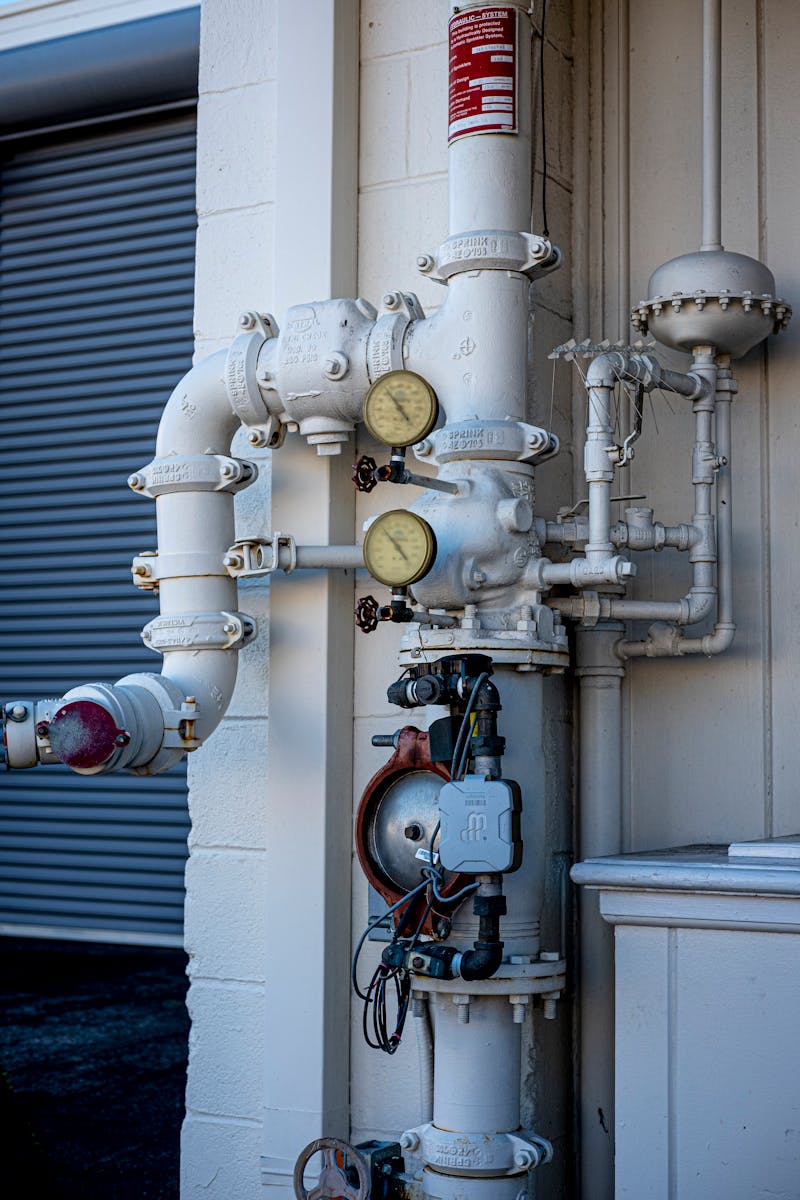
Installing a tankless water heater is one of the most involved plumbing projects a homeowner can take on — but it is achievable for someone comfortable with basic plumbing, some light gas or electrical work, and a willingness to pull the necessary permits. Done correctly, it delivers decades of reliable hot water at reduced operating cost.
This guide walks through the complete installation process for both gas and electric tankless water heaters. Because gas and electric installations diverge significantly, each is covered in its own dedicated section after the shared planning steps.
Important note: Tankless water heater installation requires permits in virtually all jurisdictions. Unpermitted work can void equipment warranties, create liability issues when selling the home, and more importantly, may leave dangerous gas or electrical work unverified. Pull a permit and schedule the required inspections.
Before You Start: Sizing and Planning
Determine Required Flow Rate
The most common mistake in tankless installation is undersizing. You need to calculate the maximum simultaneous hot water demand in your home.
Step 1: List every hot water fixture that could run at the same time.
Common flow rates:
- Shower: 1.5–2.5 GPM
- Kitchen faucet: 1.5–2.0 GPM
- Bathroom faucet: 0.5–1.5 GPM
- Dishwasher: 1.0–1.5 GPM
- Washing machine: 1.5–3.0 GPM
Step 2: Add the flow rates of fixtures you might run simultaneously. For a typical 3-bedroom home: 2 showers (2 GPM each) + 1 kitchen faucet (1.5 GPM) = 5.5 GPM minimum requirement.
Step 3: Account for your climate. Tankless heaters are rated at a specific temperature rise. If your incoming groundwater is 45°F in winter and you want 115°F output, you need a 70°F temperature rise. A heater rated for 7 GPM at a 35°F rise may only deliver 5 GPM at a 70°F rise.
Recommended gas tankless units:
Rinnai V65iN 6.6 GPM Natural Gas Tankless (Value Series) — Entry-level whole-house gas unit. Best for 1–2 bath homes in temperate climates.
Rinnai RU130iN 7.5 GPM Ultra Series Condensing — Mid-range condensing unit with built-in recirculation. Suitable for 2–3 bath homes.
Navien NPE-240A2 11.2 GPM Condensing Natural Gas — High-capacity unit for large homes with high simultaneous demand.
Recommended electric tankless units:
EcoSmart ECO 27 27kW Electric Tankless — Suitable for warmer climates (incoming water above 55°F) or smaller households.
EcoSmart ECO 36 36kW Electric Tankless — Higher output for larger households or colder northern climates.
Choose the Installation Location
For gas units:
- Must be within practical distance of a gas line
- Must have clearance for venting to exterior (direct vent) or to a chimney (Category III flue)
- Minimum clearances: typically 12 inches from combustibles on sides, 18 inches above; consult your specific unit’s manual
- Condensing units produce acidic condensate — a drain within reach is needed
For electric units:
- Must be near your electrical panel or a sub-panel
- Can be installed virtually anywhere with adequate clearance and a nearby cold water supply
- Point-of-use electric units can be mounted under a sink
For both:
- Should be accessible for maintenance (filter cleaning, descaling)
- Cold water inlet and hot water outlet must connect to the household plumbing
- Most manufacturers recommend a minimum 1-inch supply line for whole-house units
Gather Tools and Materials
Common to both gas and electric installations:
- Adjustable wrench, pipe wrenches
- Teflon tape (PTFE tape) — white for water connections, yellow for gas connections
- Pipe cutter or reciprocating saw
- Drill with bits
- Level
- Mounting hardware (lag bolts and masonry anchors if mounting to concrete block)
- Pressure relief valve (if not included with unit)
- Isolation valves for inlet and outlet
- Expansion tank (may be required by code in closed plumbing systems)
Additional for gas installations:
- Flexible gas connector rated for appliance use (typically 3/4 inch)
- Gas shutoff valve
- Stainless steel Category III or Category IV flue pipe (condensing units require Category IV — plastic PVC or CPVC)
- Combustion air intake pipe (for direct-vent models)
- Thread sealant rated for gas service (not standard Teflon tape — use yellow gas-rated tape or pipe dope)
Additional for electric installations:
- Appropriate gauge wire (based on unit amperage; typically 6 AWG or 8 AWG copper)
- Appropriate circuit breaker(s)
- Conduit if exposed wiring is required by local code
- Wire connectors
Recommended accessory:
Watts 3/4-Inch Tankless Water Heater Isolation Valve Kit — Includes hot and cold isolation ball valves with built-in pressure relief and flush ports. Greatly simplifies future descaling maintenance.
Gas Tankless Water Heater Installation
Step 1: Remove the Old Water Heater
Turn off the gas supply at the shutoff valve nearest the old water heater. Turn off the cold water supply. Connect a garden hose to the tank’s drain valve and run it to a floor drain or outside. Open a hot water faucet in the house to break the vacuum, then open the drain valve and allow the tank to drain fully.
Disconnect the gas flex connector at the old heater’s gas inlet. Disconnect the flue pipe from the draft hood. Disconnect the cold water inlet and hot water outlet supply lines. Remove and dispose of the old tank.
Step 2: Mount the New Unit
Tankless gas heaters are typically 20–28 inches tall, 14–18 inches wide, and 6–10 inches deep — far more compact than a tank. They mount to the wall using the included bracket.
- Hold the bracket against the wall in your chosen location and mark stud locations.
- Drive lag screws into studs (preferred) or use masonry anchors for concrete/block walls.
- Hang the unit on the bracket. Confirm it is level.
Step 3: Connect the Water Lines
- Install a cold water isolation valve on the incoming cold line, then connect to the unit’s cold water inlet.
- Install a hot water isolation valve on the outgoing hot line, then connect to the unit’s hot water outlet.
- Install a pressure relief valve (T&P valve) on the hot water outlet if not factory-installed. Run the discharge pipe to within 6 inches of the floor or to an approved drain — never cap or plug this valve.
- If you have a closed plumbing system (a check valve on the main supply), install an expansion tank on the cold water supply line near the heater. Closed systems generate thermal expansion pressure that can damage the heater without an expansion tank.
- Apply Teflon tape to all threaded connections.
Use the isolation valve kit with flush ports mentioned above — it makes the annual descaling process straightforward without requiring full pipe disconnection.
Step 4: Connect the Gas Line
This step must be performed or inspected by a licensed professional in most jurisdictions. Improper gas connections are life-threatening.
- Size the gas line appropriately. Most whole-house tankless units require 3/4-inch gas supply at minimum; some high-BTU units (199,000 BTU and above) may require a 1-inch gas line.
- Verify your gas meter and regulator can supply the required BTU demand. A large condensing tankless heater requires 150,000–199,000 BTU/hr — confirm your meter and supply are adequate before purchasing the unit.
- Use a black iron gas pipe or corrugated stainless steel tubing (CSST) for the hard pipe run. Connect the appliance with a flexible gas connector (18–24 inches, properly sized for the unit’s BTU rating).
- Apply yellow gas-rated Teflon tape or pipe dope to all threaded connections.
- Install a manual shutoff valve within 6 feet of the appliance and within line of sight.
- After connecting, turn on the gas and check all connections with a leak detection solution or an approved gas detector. There should be absolutely no bubbling or gas odor.
Step 5: Install the Venting
Venting requirements vary significantly between non-condensing and condensing gas tankless heaters.
Non-condensing units (such as Rinnai V-Series):
- Require Category III stainless steel flue (single-wall is not acceptable for modern high-efficiency appliances)
- Typically 4-inch diameter flue pipe
- Keep horizontal runs as short as possible (under 10 feet) and limit elbows
- Must terminate outside, a minimum distance from windows, doors, and air intakes (check local code — typically 12 inches from windows, 4 feet from gas meters)
- Route through an exterior wall or up through the roof
Condensing units (such as Rinnai RU Series, Navien NPE):
- Use PVC or CPVC plastic flue pipe (Category IV) — far less expensive and easier to work with
- Exhaust temperatures are low enough that PVC is safe and approved
- Most condensing units are direct-vent: a separate intake pipe brings combustion air from outside while the exhaust vents outside through a separate pipe
- Typical pipe diameters: 2-inch or 3-inch PVC
- Condensate (acidic water from combustion) drains to a floor drain or utility sink via a condensate neutralizer (required in many codes)
DiversiTech DB-1 Condensate Neutralizer — Required by many local codes and recommended to protect drains from acidic condensate.
Step 6: Power Connection
Most gas tankless heaters require 120V electricity for controls, ignition, and the recirculation pump. Connect to a standard 15A or 20A circuit with a three-prong outlet or a hard-wired connection per the installation manual.
Condensing units with recirculation pumps should be on a dedicated circuit to avoid nuisance tripping.
Step 7: Initial Startup
- Open a hot water faucet somewhere in the house.
- Slowly open the cold water isolation valve and allow water to flow through the unit and purge all air.
- Once water flows steadily from the hot faucet (no sputtering), close the faucet.
- Turn on gas supply.
- Follow the unit’s startup procedure — most modern units light automatically when a faucet is opened.
- Open a faucet and verify the unit fires, water heats, and the flow is consistent.
- Check for gas leaks one final time with leak detection solution.
Electric Tankless Water Heater Installation
Step 1: Assess Electrical Requirements
Electric tankless heaters have substantial electrical demands. A 27 kW unit draws 112 amps at 240V. This typically requires:
- A dedicated 240V circuit with the appropriate amperage breaker
- Large-gauge wire: 6 AWG copper for 50A circuits; 4 AWG for 60A; for 40A, 8 AWG is acceptable
Most whole-house electric tankless heaters require two or three separate double-pole breakers in your panel. The EcoSmart ECO 27, for example, requires 3 × 40A double-pole breakers (drawing up to 120A total at peak). Verify your panel has both the physical space and the capacity (panel amperage rating) to support this before purchasing.
If your main panel is 100A: A 27 kW or 36 kW whole-house electric tankless heater will likely not be feasible without a panel upgrade to 200A service. Consult a licensed electrician before purchasing.
Step 2: Run Wiring
- Shut off the main breaker before any panel work.
- Run the appropriate gauge wire from the panel to the heater location in conduit or through the wall cavity per local code.
- Most whole-house electric tankless heaters use terminal block connections inside the unit. The installation manual specifies which terminals connect to each circuit.
- Allow 6 inches of slack at the heater end for clean connections.
Always have a licensed electrician perform or inspect 240V panel and wiring work if you are not trained and permitted to do so.
Step 3: Mount the Unit and Connect Water Lines
Follow the same process as described in the gas installation steps 2 and 3 — the water connections are identical. Install isolation valves, connect cold inlet and hot outlet lines, install a T&P valve, and install an expansion tank on closed plumbing systems.
Electric tankless units are more compact and lighter than gas units, making wall mounting straightforward.
Step 4: Make Electrical Connections
- With power off at the panel, open the heater’s wiring cover.
- Connect the circuit wires to the terminal blocks per the wiring diagram in the manual.
- Tighten all connections to the specified torque (usually listed in the manual).
- Ground the unit to the ground terminal.
- Replace the wiring cover.
Step 5: Install Breakers and Restore Power
- Install the appropriate double-pole breakers in the panel.
- Connect the wires from the heater runs to the breakers.
- Turn on the main breaker, then each new circuit breaker.
- Open a hot water faucet, open the cold water isolation valve, and allow water to fill the unit and purge air.
- The unit will begin heating when flow is detected. Test at a faucet and confirm hot water production.
Post-Installation Checks
Regardless of fuel type, complete these checks after installation:
- Check all water connections for drips. Tighten as needed — do not overtighten threaded connections.
- Verify the T&P valve operates by manually lifting the test lever briefly (have a bucket ready — it releases hot water). It should snap closed and stop flowing. A valve that continues to drip needs replacement.
- Set the water temperature to 120°F on the unit’s controller. Some codes require 140°F at the heater when a thermostatic mixing valve is installed for scald protection in homes with elderly or young occupants.
- Run hot water at multiple fixtures simultaneously to confirm adequate flow and temperature under peak demand.
- Document the installation for your permit inspection — photograph gas connections (if applicable), venting, and water line connections.
Maintenance After Installation
- Annual descaling: Flush the heat exchanger with white vinegar or a commercial descaling solution. The isolation valve kit with flush ports makes this a 30-minute job.
- Clean the inlet filter screen: Most units have a mesh screen on the cold water inlet. Remove and rinse annually.
- Gas units: Inspect the venting annually for blockages, corrosion, or separations.
- Test the T&P valve annually.
- Check the condensate drain (condensing units) for blockages.
With proper maintenance, a tankless unit will provide reliable service for 20 years or more. The higher upfront investment and installation effort pays off in lower energy bills, continuous hot water, and a lifespan roughly double that of a conventional storage tank.

Flow Control HQ Editorial Team
Independent trade-focused editorial team