How to Install a Kitchen Sink
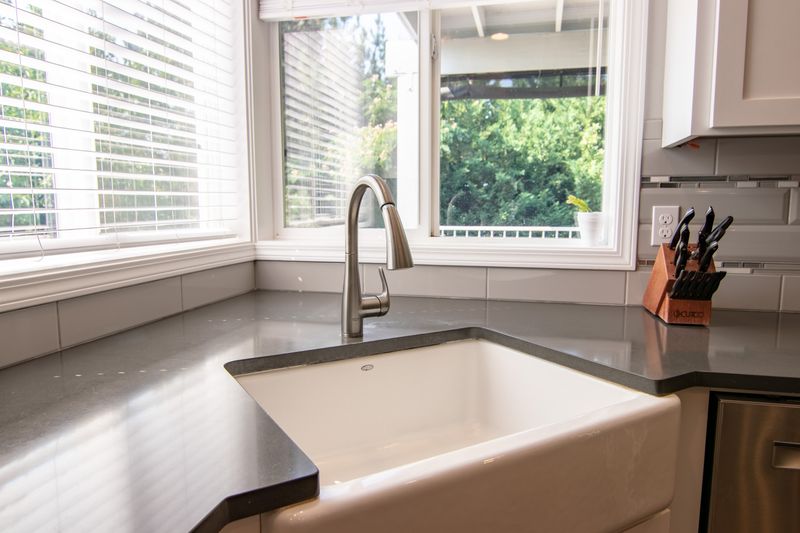
Installing a new kitchen sink is one of the most rewarding plumbing upgrades a homeowner can tackle. Whether you’re replacing an aging drop-in with a sleek undermount model or going all-in on a farmhouse apron sink, the right preparation makes the job straightforward and the result long-lasting. This guide walks you through all three major sink types, covering tool requirements, connection details, sealing best practices, and the moments when calling a plumber is the smarter play.
What You Need Before You Start
Tools and Materials
Gather everything before you shut off the water supply. Mid-project hardware store runs are how small jobs turn into all-day ordeals.
Tools:
- Adjustable wrench and basin wrench
- Utility knife and putty knife
- Jigsaw (for drop-in cutouts in new countertops)
- Silicone caulk gun
- Plumber’s putty
- Tape measure and pencil
- Bucket and towels
- Safety glasses and gloves
Materials:
- 100% silicone caulk (clear or color-matched)
- Plumber’s putty (for faucets and strainers where silicone is not specified)
- P-trap assembly (1-1/2 inch or 2 inch, depending on drain line)
- Supply lines (braided stainless, at least 12 inches)
- Basket strainer(s) with mounting hardware
- Mounting clips (undermount sinks)
- Thread seal tape (PTFE)
Shutting Off the Water
Locate the shutoff valves under the sink — one for hot, one for cold. Turn them clockwise until fully closed. Open the faucet to release pressure and drain residual water. If your shutoffs are old, corroded, or do not fully close, shut off the main supply instead and add replacing those valves to your project list.
Drop-In Sink Installation
Drop-in (self-rimming) sinks rest on the countertop surface with a visible rim. They are the easiest type to install and work with nearly any countertop material including laminate, tile, and butcher block.
Step 1: Remove the Old Sink
Disconnect the P-trap at the slip joint nuts — have a bucket ready. Disconnect supply lines from the faucet supply tubes. If the old sink is caulked in place, cut through the caulk bead with a utility knife. Support the sink from below before cutting the last section of caulk so it does not drop. Lift it straight up and out.
Step 2: Clean the Countertop Opening
Scrape away all old caulk, putty, and adhesive residue with a putty knife. The mating surface must be clean and flat for a watertight seal. Wipe the area with mineral spirits and allow it to dry.
Step 3: Install the Faucet Before Lowering the Sink
It is much easier to install the faucet, basket strainer(s), and any soap dispensers while the sink is on your work surface rather than working underneath later.
Basket strainer installation: Roll plumber’s putty into a 3/4-inch rope and press it around the underside of the strainer flange. Drop it into the drain opening from above. From below, slide on the friction ring, then the flat washer, then the locknut. Hand-tighten, then use pliers or a strainer wrench to snug it down. Wipe away squeezed-out putty.
Faucet installation: Thread supply tubes through the faucet hole(s). Seat the faucet gasket or apply a thin bead of silicone. From below, thread on the mounting nut and tighten firmly with a basin wrench.
Step 4: Apply Sealant and Set the Sink
Apply a continuous bead of 100% silicone around the top edge of the countertop opening, about 1/4 inch from the edge. Lower the sink into the opening, pressing firmly and evenly. Some drop-in sinks use mounting clips underneath — thread them onto the mounting rails and tighten clockwise with a screwdriver until they grip the underside of the countertop. Do not overtighten on stone or tile.
Wipe away excess caulk with a damp cloth. Allow the silicone to cure for at least 24 hours before using the sink.
Step 5: Connect the Plumbing
Reconnect supply lines to the shutoff valves — hand-tight plus a quarter turn with a wrench. Connect the P-trap to the basket strainer tailpiece, then to the drain stub-out in the wall. Turn the water back on slowly and check every connection for drips. Run water and inspect the P-trap and strainer for leaks.
Undermount Sink Installation
Undermount sinks mount below the countertop surface, creating a seamless look and easier countertop cleanup. They are standard in stone (granite, quartz, marble) countertops. Installing an undermount sink in an existing laminate countertop is not recommended — laminate edges will swell and delaminate when exposed to moisture.
Planning the Cutout
Undermount sinks are typically installed by the countertop fabricator before the stone is delivered. If you are retrofitting or replacing a like-for-like sink, the cutout already exists and you just need to drop in the new model. Verify the new sink’s cutout dimensions match your existing opening within 1/8 inch.
Step 1: Apply Silicone to the Sink Rim
Flip the sink upside down on a padded surface. Apply a generous, continuous bead of 100% silicone (color-matched to your countertop if possible) around the perimeter mounting flange, about 1/4 inch from the edge.
Step 2: Position and Clamp the Sink
With a helper, lift the countertop or lower the sink into position from below. Many installers use threaded rod assemblies or epoxy clips to hold the sink while the silicone cures. Common systems include:
- Epoxy clip method: Mix two-part epoxy, press clips to the underside of the stone (approximately every 6 inches), allow to cure, then tighten mounting straps.
- Threaded rod method: Install rods through the stone from above (pre-drilled holes) and tighten locknuts from below against the sink rim.
Keep the sink perfectly level and centered during curing. Do not disturb it for 24 hours.
Step 3: Seal the Countertop Edge
After the sink is secured, apply a thin bead of silicone where the countertop edge meets the sink rim. Smooth with a wet finger and wipe away excess. This is the line that keeps water from migrating behind the sink.
Step 4: Install Faucet and Drain, Connect Plumbing
Follow the same steps as described in the drop-in section. Because the sink is already mounted, you will be working entirely from below — a basin wrench is essential for tightening faucet mounting nuts in tight spaces.
Farmhouse (Apron-Front) Sink Installation
Farmhouse sinks are heavy — a standard 30-inch fireclay model weighs 90 to 140 pounds. Cast iron models can exceed 200 pounds. Cabinet modification is almost always required.
Cabinet Preparation
Standard base cabinets are 34-1/2 inches tall with a 36-inch finished counter height. Farmhouse sinks require the front rail of the cabinet to be removed and the cabinet box to be reinforced. The cabinet depth must accommodate the apron front — most farmhouse sinks have an apron depth of 9 to 10 inches and need a cabinet that is at least 24 inches deep.
Support structure: Install a 3/4-inch plywood support ledger across the interior of the cabinet opening at the height specified by your sink’s installation template. This ledger carries the weight of the sink.
Setting and Leveling the Sink
Slide the sink into position on the support ledger. Use shims to level it side-to-side and front-to-back. The sink’s top edge should sit approximately 1/8 to 1/4 inch below the countertop surface so the counter can overhang the sink slightly. Confirm the measurement before cutting the countertop.
Apply silicone along all contact points — between the sink bottom and support ledger, and along the side walls if the sink fits snugly. Follow the manufacturer’s recommendations; some farmhouse sinks are designed to rest without full adhesive bonding to allow for removal.
Top Sink Picks and Where to Buy
These sinks consistently receive high marks for build quality, fit, and value:
-
Kraus Standart PRO 33-inch Drop-In Sink — 16-gauge T-304 stainless, sound insulation coating, great fit for most 33-inch openings. Verify current prices with manufacturers, dealers, or retailers before buying.
-
Ruvati Fiamma 30-inch Undermount Sink — 16-gauge stainless, tight radius corners for easy cleaning, comes with mounting hardware and drain assembly. Verify current prices with manufacturers, dealers, or retailers before buying.
-
Moen Prep 22-inch Undermount Single Bowl — excellent fit for smaller kitchens or prep stations, quality stainless construction with Moen’s warranty support. Verify current prices with manufacturers, dealers, or retailers before buying.
Common Mistakes to Avoid
Using the wrong sealant. Plumber’s putty can stain composite and some natural stone materials. Check the sink manufacturer’s spec sheet. When in doubt, use 100% silicone.
Skipping the faucet pre-installation. Always install the faucet and strainer before setting the sink. Retrofitting a faucet into a mounted undermount sink in a cramped cabinet is miserable work.
Not checking drain alignment. Before finalizing the sink position, temporarily set the P-trap and make sure the tailpiece lines up with the wall drain stub-out without excessive bends. Offset adapters can help, but a good layout avoids the problem entirely.
Over-tightening mounting hardware. Cracks in granite or quartz countertops from over-tightened undermount clips are expensive to repair. Hand-tight plus a firm quarter turn is sufficient for most systems.
Letting silicone cure without cleaning squeeze-out. Once silicone skins over (30 to 60 minutes depending on temperature), it becomes difficult to remove cleanly. Wipe excess immediately with a damp rag.
When to Call a Plumber
DIY kitchen sink installation is realistic for most homeowners who are comfortable working under cabinets and handling basic plumbing connections. Consider hiring a licensed plumber if:
- Your existing shutoff valves are corroded or non-functional
- The drain stub-out location requires significant reconfiguration
- You are moving the sink to a new location (requires new supply lines and drain rough-in)
- The job involves a garbage disposal installation that also requires electrical work
A straightforward sink swap typically costs $150 to $350 in labor if you supply the sink and parts. A full kitchen sink relocation with new plumbing rough-in can run $800 to $2,000 or more depending on your market.
Maintenance Tips to Keep Your New Sink Performing
- Clean weekly with mild dish soap and a soft cloth. Avoid abrasive pads on stainless or composite sinks.
- Inspect the caulk line annually. If you see discoloration, cracking, or separation, remove the old caulk with a utility knife and recaulk.
- Do not pour grease down the drain. It solidifies in the P-trap and drain line, eventually causing clogs.
- Run cold water when using the garbage disposal and for 30 seconds afterward to flush debris through the drain line.
A properly installed kitchen sink, sealed and connected correctly, should give you 20 or more years of trouble-free service. Take the time to do the installation right, use quality materials, and you will not need to revisit the job anytime soon.
Coordinate sink installation with faucet and filter choices
These resources connect sink cutouts, faucet reach, under-sink equipment, and future fixture service.
- Kitchen faucet buying guide
Choose faucet style after measuring the sink deck, basin depth, and cabinet clearance.
- Reverse osmosis installation guide
Plan a dedicated RO faucet and cabinet space before the sink deck is finalized.
- How to fix a leaky faucet
Keep common repair parts and shutoff access in mind during fixture installation.
- Sink fixture and filter fit worksheet
Document sink deck, cabinet, shutoff, and filter-space limits before installation.

Flow Control HQ Editorial Team
Independent trade-focused editorial team