How to Get Your Plumbing License: State-by-State Guide
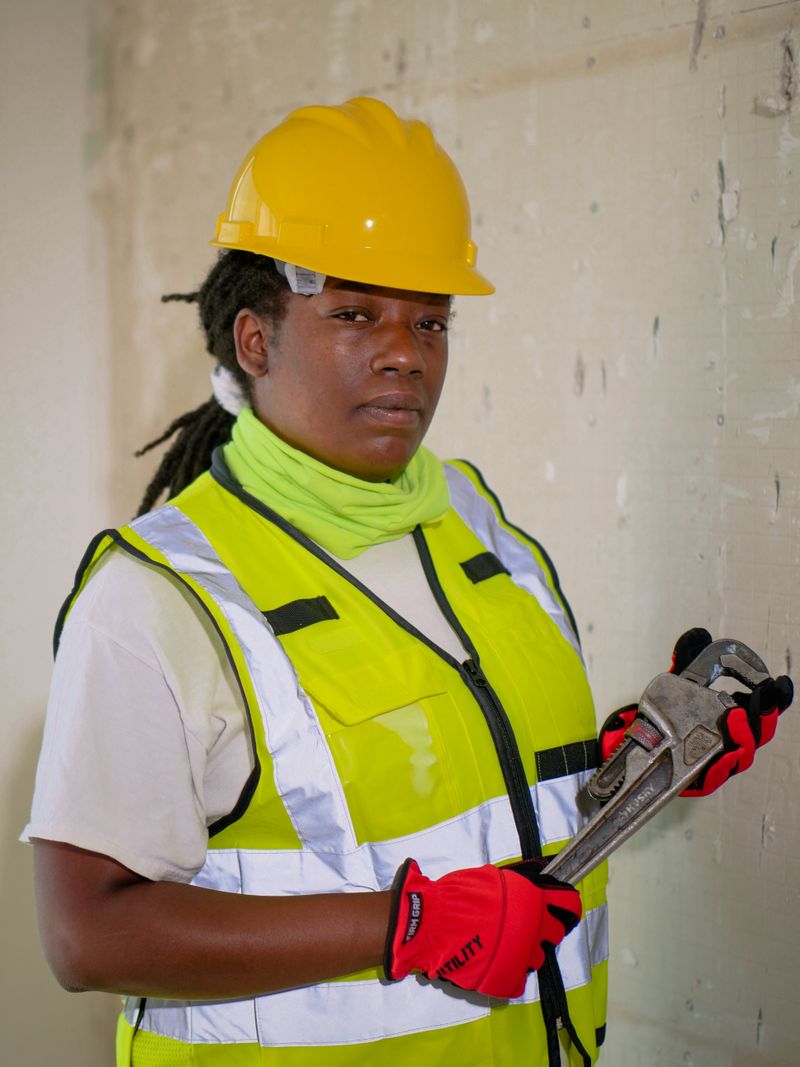
Becoming a licensed plumber is one of the more reliable paths to a skilled trade career in the United States. The Bureau of Labor Statistics projects continued growth in plumbing employment through the late 2020s, and median annual wages for plumbers, pipefitters, and steamfitters exceeded $60,000 nationally as of 2024 — with master plumbers and business owners earning significantly more.
But getting there requires navigating a licensing system that varies considerably from state to state. Hours requirements, exam formats, continuing education obligations, and even the definition of “journeyman” differ by jurisdiction. This guide lays out the full pipeline from apprentice to master plumber, with specific requirements for California, Texas, Florida, and New York, along with the study resources you’ll need to pass the exams.
The Three-Stage Licensing Pipeline
Stage 1: Apprentice Plumber
An apprentice plumber works under the direct supervision of a licensed journeyman or master plumber. In most states, apprentices cannot work independently, pull permits, or legally perform plumbing work without a licensed plumber on-site or immediately available.
How to become an apprentice:
- Apply to a union apprenticeship program (UA Local is the primary union, with locals in most major cities) or a non-union apprenticeship sponsored by a plumbing contractor
- Some states require apprentice registration with the state licensing board before starting work
- You must be 18 years old in most states; some allow 16-year-olds with parental consent for pre-apprenticeship programs
Union vs. non-union apprenticeships: Union apprenticeships (through the United Association of Journeymen and Apprentices of the Plumbing and Pipe Fitting Industry) typically offer structured pay scales, pension benefits, and defined advancement timelines. Non-union apprenticeships vary widely in quality and benefits. Both paths lead to licensure in most states.
Apprenticeship duration: Typically 4 to 5 years (8,000 to 10,000 hours of on-the-job training combined with 246 to 500+ hours of related technical instruction).
Stage 2: Journeyman Plumber
A journeyman plumber has completed the required apprenticeship hours and passed a journeyman licensing exam. Journeymen can work independently on most plumbing projects but generally cannot supervise other plumbers or pull permits without a master plumber’s oversight (this varies by state).
Typical requirements to sit for the journeyman exam:
- 4 to 5 years of verified apprenticeship experience (typically 8,000 hours minimum)
- Completion of an approved apprenticeship program or equivalent hours documented by licensed supervisors
- Application fee: $50 to $200 depending on the state
Journeyman exam content: Most journeyman exams are based on the International Plumbing Code (IPC) or the Uniform Plumbing Code (UPC), depending on which code your state has adopted. The exam typically covers:
- Pipe sizing and drainage calculations
- Water supply systems and pressure requirements
- Venting design
- Fixture installation requirements
- Safety regulations
Exam formats vary: some states use multiple-choice tests administered by testing companies like Prometric or PSI; others administer their own exams locally. Most are open-book, allowing you to use the code book during the exam — which makes familiarity with code book layout crucial.
Stage 3: Master Plumber
A master plumber holds the highest individual plumbing license and can typically:
- Pull permits for plumbing projects
- Supervise journeyman and apprentice plumbers
- Own and operate a plumbing contracting business (in most states)
- Stamp and sign off on plumbing plans
Typical requirements to sit for the master plumber exam:
- 2 to 4 years of experience as a licensed journeyman plumber after passing the journeyman exam
- Some states require additional coursework or proof of continuing education
- Application fee: $100 to $400
Master exam content: The master plumber exam goes deeper into system design, business regulations, and more complex code applications including:
- Gas line sizing and combustion air requirements
- Medical gas systems (in some states)
- Backflow prevention design
- Cross-connection control
- Business law and contractor regulations
- Plan reading and project management
Study Resources and Exam Prep
Passing the journeyman and master exams requires serious preparation. The most effective approach combines a dedicated exam prep book with direct familiarity with the relevant code book.
Exam prep books walk you through the types of questions you’ll face, provide practice exams, and explain the code sections most heavily tested. Browse plumbing exam prep books on Amazon
Code books are essential for open-book exams. You need the current edition of whichever code your state uses:
Tab your code book before the exam. The most efficient test-takers have tabs for every chapter and major table. Practice locating answers quickly — in a timed open-book exam, speed of lookup is as important as knowledge.
Key State Requirements
California
California licenses are issued by the Contractors State License Board (CSLB), and the structure is somewhat different from most states. California does not offer a standalone “journeyman” plumber license — instead, the primary contractor license classification is the C-36 Plumbing Contractor license.
- C-36 license: Requires 4 years of journey-level experience in the plumbing trade (or a combination of experience and education), plus passing the CSLB trade exam and law and business exam.
- California uses the California Plumbing Code, which is based on the UPC with state amendments.
- Journeyman-level workers in California do not need a state license to work, but must work under a licensed C-36 contractor.
- Continuing education: C-36 license holders must complete 32 hours of continuing education every two years for license renewal.
- Exam prep resource: The CSLB provides a study guide on its website; supplement with a California-specific plumbing exam prep book. California plumbing exam prep
Texas
Texas licensing is administered by the Texas State Board of Plumbing Examiners (TSBPE).
Apprentice Plumber:
- Must register with TSBPE before working
- No exam required; registration costs approximately $20
- Can work only under direct supervision of a licensed plumber
Tradesman Plumber Limited License:
- 4,000 hours of verified experience as a registered apprentice
- Pass the tradesman exam (based on Texas Plumbing License Law and IPC/UPC)
- Allows working with less direct supervision but still under a licensed plumber
Journeyman Plumber:
- 8,000 hours of verified work experience (minimum 4,000 as a tradesman)
- Pass the journeyman exam
- Can work independently and supervise apprentices and tradesman plumbers
Master Plumber:
- 1 year (2,000 hours) as a licensed journeyman
- Pass the master plumber exam
- Required to pull permits and own a plumbing business in Texas
Continuing education: 6 hours per year for journeyman and master plumbers.
Texas uses the International Plumbing Code (IPC) with state amendments.
Florida
Florida licensing is handled at the state level through the Department of Business and Professional Regulation (DBPR) and at the county level — Florida has a unique dual-layer system.
State Certified Plumbing Contractor:
- 4 years of plumbing experience with at least 1 year as a foreman or supervisor
- Pass the Florida state contractor exam (administered by Pearson VUE)
- Allows work statewide
County Licensed Plumber:
- Many Florida counties (Miami-Dade, Broward, Palm Beach, Hillsborough) issue their own journeyman and master licenses separately from the state contractor license
- Requirements vary by county — Miami-Dade requires 5 years of experience for the master license; other counties require 4
Exam content: Florida uses the Florida Building Code Plumbing Volume, which is based on the IPC with Florida amendments. The state contractor exam also includes a business and finance component.
Continuing education: 14 hours per renewal cycle (2 years) for state certified contractors.
New York
New York is unique in that plumbing licenses are issued by individual cities and municipalities, not the state. There is no statewide journeyman or master plumber license.
New York City has the most rigorous requirements:
- Licensed Plumber (Master equivalent): 7 years of plumbing experience in New York City with at least 2 years as a foreman; pass the NYC Department of Buildings exam; the exam is notoriously difficult and has a relatively low first-attempt pass rate
- NYC Plumbing exam: Covers the NYC Plumbing Code (based on IPC with extensive NYC amendments), business law, and practical knowledge
- Journeyman equivalent in NYC: NYC does not issue a journeyman license; journeyman-level workers are employed under a licensed plumber
Other New York municipalities:
- Buffalo, Rochester, Yonkers, and other cities issue their own plumber licenses
- Experience requirements typically range from 4 to 7 years
- Some smaller municipalities accept NYC or other city licenses via reciprocity
Exam prep: NYC-specific plumbing exam prep materials are available, and the NYC DOB publishes the current exam scope document. The NYC Plumbing Code book is essential. NYC Plumbing Code reference
Continuing Education Requirements by State
Most states require licensed plumbers to complete continuing education to maintain their licenses. Common requirements:
| State | CE Hours Required | Renewal Period |
|---|---|---|
| California (C-36) | 32 hours | 2 years |
| Texas | 6 hours/year | Annual |
| Florida | 14 hours | 2 years |
| New York City | Varies by municipality | 2 years |
| Illinois | 15 hours | 2 years |
| Colorado | 4 hours | Annual |
CE courses cover code updates, safety regulations, new materials and systems, and business practices. Most are available online through approved providers.
Reciprocity: Moving Between States
If you hold a plumbing license in one state and move to another, you may be able to transfer your license without starting over. However, reciprocity agreements in plumbing are limited and inconsistent:
- States with broad reciprocity: Some states accept journeyman and master licenses from neighboring states with similar code bases and hour requirements
- States with no reciprocity: New York City does not recognize out-of-state licenses; you must start fresh with the NYC exam and documented NYC-specific experience
- Examination reciprocity: Some states will waive the exam requirement if you can demonstrate you passed an equivalent exam in another state, but still require you to document in-state experience
Always contact the licensing board in your destination state before assuming your license transfers.
Tips for Passing the Licensing Exams
-
Tab your code book thoroughly. In an open-book exam, the ability to find answers in under 30 seconds is critical. Use color-coded tabs for each chapter. Write key table numbers on the inside front cover.
-
Take practice exams under timed conditions. Most exam prep books include practice tests. Take them with a timer running and your code book as your only reference — exactly as the real test will be.
-
Focus heavily on drainage and venting. Drain, waste, and vent (DWV) system design questions appear frequently on both journeyman and master exams. Know trap requirements, vent distances, and pipe sizing tables cold.
-
Understand the difference between IPC and UPC. If your state uses UPC, don’t study IPC-based materials, and vice versa. The codes have important differences in terminology, table organization, and specific requirements.
-
Review your state’s specific amendments. Most states adopt the IPC or UPC with state-specific amendments. Your exam will test the amended version, not the base code. Get the state-specific edition of the code book if one is published.
-
Study with others who are preparing for the same exam. Study groups accelerate learning and help you identify weak areas faster than solo study.
The Return on Investment
The time and cost to achieve a master plumber license is significant — typically 8 to 10 years from starting an apprenticeship, plus exam fees, code books, and CE costs over your career. But the earnings potential is substantial:
- Apprentice plumber: $18 to $28/hour depending on year and location
- Journeyman plumber: $28 to $50/hour
- Master plumber / plumbing contractor: $50 to $100+/hour, plus the ability to run a business and earn on your employees’ labor
In major metro areas, licensed journeyman plumbers with 10+ years of experience regularly earn $80,000 to $120,000 annually including overtime. Master plumbers who own contracting businesses frequently earn $150,000 to $300,000 or more once the business is established.
The plumbing trade is also among the most recession-resistant occupations. Pipes leak, fixtures fail, and new construction continues regardless of economic conditions. A plumbing license is a credential that holds value for a lifetime.
Next Steps
If you’re starting from zero:
- Research apprenticeship programs in your area — start at the United Association’s website (ua.org) for union programs, or contact local plumbing contractors for non-union opportunities
- Register with your state licensing board as an apprentice if required
- Purchase the current edition of your state’s plumbing code book and begin familiarizing yourself with it from day one
If you’re preparing for an exam:
- Identify the exact exam format and code version your state uses
- Purchase a current exam prep book and your state’s code book
- Build a tab system, take practice exams, and schedule your test when you’re consistently scoring 80 percent or better on practice exams
The path is long, but every stage of it pays more than the one before it.

Flow Control HQ Editorial Team
Independent trade-focused editorial team