Best Plumbing Tools Every Homeowner Should Own
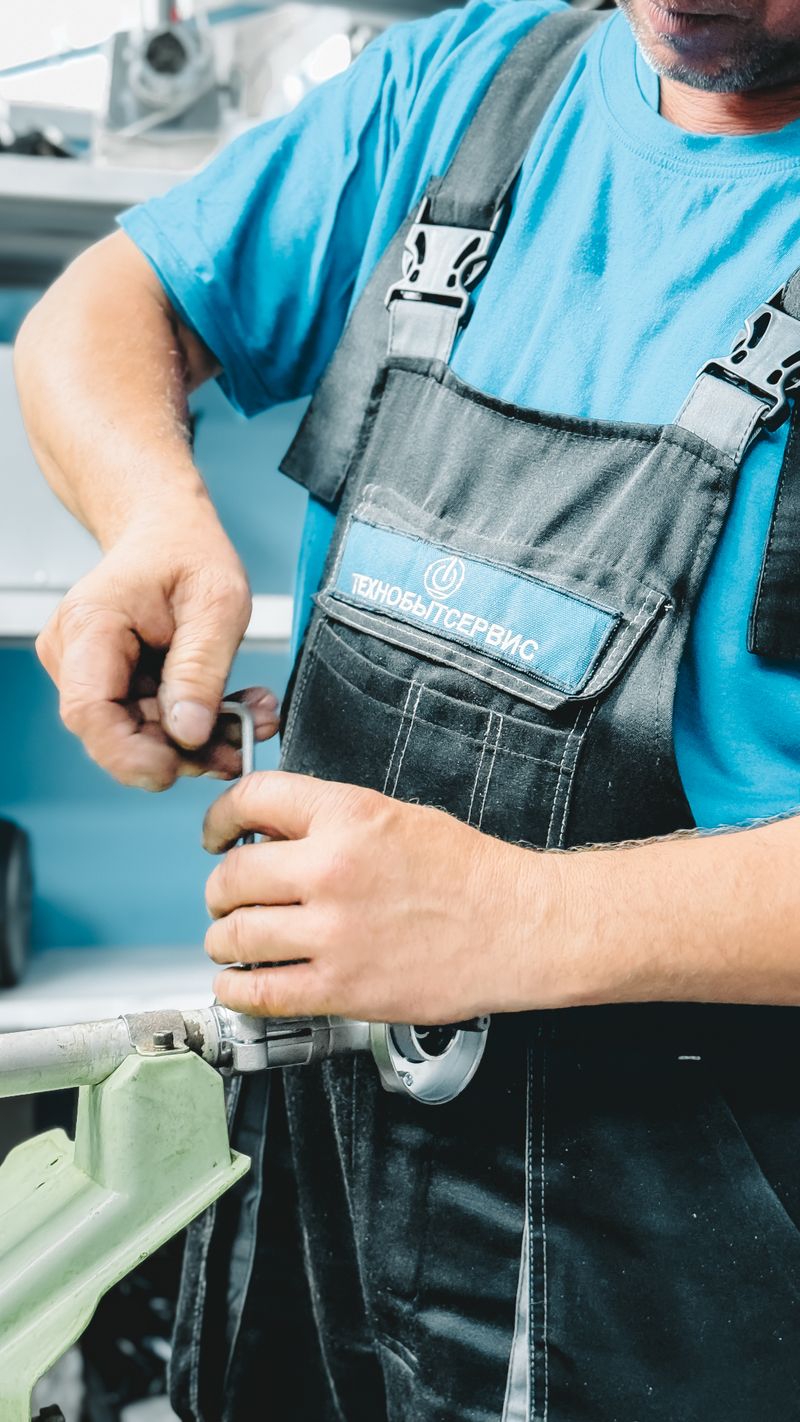
Plumbing emergencies rarely wait for convenient moments. A burst fitting at midnight or a clogged drain on a holiday weekend can cost you hundreds — sometimes thousands — in emergency plumber fees if you are not prepared. Owning the right tools does not mean you need to become a licensed plumber. It means you can handle the majority of common household plumbing problems yourself and make informed decisions about when to call a professional.
This guide covers every essential plumbing tool a homeowner should stock, explains exactly what each one does, and points you toward reliable options available on Amazon.
Why Building a Plumbing Toolkit Matters
The national average cost of a plumber’s service call runs between $150 and $350 before any parts. Many of the jobs that generate those bills — replacing a faucet, clearing a clogged drain, stopping a running toilet — take less than an hour with the right tools. A one-time investment of $200 to $400 in quality tools can pay for itself the very first time you use them.
Beyond saving money, having proper tools means you work safely. Improvising with kitchen knives, channel-lock pliers used incorrectly, or the wrong size wrench strips fittings, damages pipes, and turns a minor job into a major one.
The Essential Plumbing Tool List
1. Pipe Wrench
What it does: A pipe wrench grips and turns threaded pipes and fittings. The serrated jaw bites harder as you apply more torque, making it indispensable for galvanized steel, black iron, and similar threaded pipe systems.
What to buy: You need at least two — one to hold the pipe and one to turn the fitting. A 14-inch and an 18-inch combination covers most residential jobs.
Recommended: The Ridgid 31110 14-Inch Aluminum Pipe Wrench is significantly lighter than steel models and just as strong. For a steel option at a lower price point, the Irwin Tools VISE-GRIP 18-Inch Pipe Wrench is a solid workhorse.
Pro tip: Never use a pipe wrench on chrome or polished brass fittings — the teeth will permanently mar the finish. Use smooth-jaw pliers for those.
2. Basin Wrench
What it does: A basin wrench is designed for one specific but extremely common task: tightening and loosening the mounting nuts that hold faucets to the underside of a sink. These nuts sit deep in a cramped space where no other tool can reach. The swiveling jaw and long shaft make this job possible.
What to buy: Look for a model with a telescoping shaft so you can adjust the reach. The standard length is 11 to 17 inches when extended.
Recommended: The Superior Tool 03825 Basin Wrench fits nuts from 1 inch to 1-3/8 inches and features a rotating T-bar handle for better torque. The BrassCraft BCSW1 Sink Wrench is another reliable choice with a comfortable grip.
When you need it: Any time you replace a kitchen or bathroom faucet. Trying to do this job without a basin wrench is a study in frustration.
3. Tongue-and-Groove Pliers (Channel-Lock Pliers)
What it does: These are the Swiss Army knife of plumbing hand tools. Tongue-and-groove pliers (commonly called Channel-Locks after the original brand) open wide enough to grip large fittings yet close small enough for nuts and bolts. They work on compression fittings, supply line connections, P-trap slip joints, and hundreds of other applications.
What to buy: A 10-inch pair covers most tasks. Adding a 12-inch pair gives you extra reach and leverage for stubborn fittings.
Recommended: Channellock 430 10-Inch Tongue & Groove Pliers are made in the USA and virtually indestructible. The Knipex 87 01 250 10-Inch Cobra Pliers are the gold standard for precision and grip, preferred by professional plumbers worldwide.
4. Needle-Nose Pliers
What it does: Needle-nose pliers reach into tight spaces, grab small parts like cartridge clips and retaining rings, and manipulate wire and tubing in confined areas. They are essential when working inside toilet tanks or behind faucet valves.
Recommended: Channellock 317 7-Inch Needle-Nose Pliers are a reliable, affordable option.
5. Adjustable Wrench
What it does: An adjustable (or crescent) wrench handles hex-shaped nuts and bolts — the type of fasteners found on shut-off valves, compression fittings, and supply line connections. Unlike pliers, it applies even pressure without scratching polished surfaces.
What to buy: An 8-inch and a 12-inch adjustable wrench cover virtually all residential plumbing applications.
Recommended: Crescent 8-Inch Adjustable Wrench for a classic American option. The Knipex 86 03 200 8-Inch Pliers Wrench is a premium alternative that many pros prefer over standard adjustable wrenches.
6. Drain Snake (Hand Auger)
What it does: A hand-cranked drain snake — also called a hand auger — is a flexible steel cable that you feed into a drain to break up or retrieve clogs. It reaches much deeper than chemical drain cleaners and works on clogs that plungers cannot move.
What to buy: A 25-foot hand auger handles the vast majority of residential sink, tub, and shower clogs. For toilet clogs, use a closet auger (described next).
Recommended: The Ridgid 59787 K-3 Hand Spinner is a professional-grade hand auger with a 15-foot cable — enough for most sink and tub clogs. For a full 25-foot cable, the General Wire Spring 25HE Hand Held Drain Cleaner is a top professional choice.
Pro tip: Always wear gloves when using a drain snake. The cable picks up everything in the drain, and you will be glad for the protection.
7. Closet Auger (Toilet Auger)
What it does: A closet auger is specifically designed for toilet clogs. It has a rubber sleeve that protects the porcelain from scratching, and its shape allows the cable to navigate the toilet’s internal trap. A standard drain snake will scratch your toilet and may not navigate the trap effectively.
Recommended: The Ridgid 59807 3-Foot Toilet Auger is the industry standard. It is found in virtually every professional plumber’s truck and works on the first try more often than not.
8. Plumber’s Tape (PTFE Thread Tape)
What it does: Plumber’s tape — correctly called PTFE or Teflon tape — wraps around threaded pipe connections to create a leak-free seal. It is cheap, lasts forever, and is absolutely essential for any threaded connection involving water.
How to use it: Wrap the tape clockwise around the male threads, starting at the end of the pipe. Two to three layers is standard. Always wrap in the direction you will be tightening the fitting.
Recommended: Dixon Valve TTB75 PTFE Thread Seal Tape is a commercial-grade option at a great price. Buy several rolls — you will use them constantly.
Important: Use white PTFE tape for water lines and yellow PTFE tape for gas lines. Do not mix them up.
9. Pipe Cutter
What it does: A pipe cutter scores and cuts copper, PVC, or CPVC pipe cleanly and squarely without the mess of a hacksaw. A square cut is essential for proper fitting connections and leak-free joints.
What to buy: A 1/4-inch to 1-1/8-inch capacity cutter handles most residential copper pipes (1/2-inch and 3/4-inch are the most common). For PVC, use a dedicated PVC ratchet cutter.
Recommended: Ridgid 31632 Copper Tubing Cutter for copper. Ratchet-Cut RC-275 PVC Pipe Cutter for PVC up to 1-3/4 inches.
10. Hacksaw
What it does: A hacksaw cuts metal pipe, plastic pipe, bolts, and corroded nuts that nothing else can handle. It is the brute-force backup for situations where specialized cutters won’t work.
Recommended: Any quality 12-inch hacksaw with replaceable blades works. Keep both 18-TPI (teeth per inch) and 24-TPI blades on hand — coarser for plastic, finer for metal.
11. Utility Knife
What it does: A sharp utility knife cuts pipe insulation, scoring marks, foam tape, caulk lines, and dozens of other materials. Plumbers use them constantly.
Recommended: Stanley FatMax Retractable Utility Knife. Keep extra blades — a dull blade is a dangerous blade.
12. Plunger (Cup and Flange)
What it does: A plunger creates hydraulic pressure to clear clogs. Most homeowners own one, but many own the wrong kind.
- Cup plunger (the classic red rubber dome): Works on flat surfaces like sinks and tubs.
- Flange plunger: Has an extended rubber flap that fits into the toilet drain opening for proper suction. Use this for toilets.
Recommended: Korky 99-4A Universal Plunger works for both toilets and drains. For a heavy-duty option, the Simplehuman Toilet Plunger is popular for its contained design.
13. Flashlight or Headlamp
What it does: You cannot fix what you cannot see. Under-sink cabinets, crawl spaces, and behind toilets are dark. A hands-free headlamp is far more useful than holding a phone flashlight.
Recommended: Black Diamond Spot 400 Headlamp — 400 lumens, waterproof, and bright enough for any plumbing space.
14. Bucket and Towels
Not glamorous, but essential. Always have a 5-gallon bucket to catch water when disconnecting supply lines or P-traps. Keep old towels nearby for cleanup.
Organizing Your Plumbing Toolkit
A dedicated toolbox or bag keeps your plumbing tools separate from your general hand tools and makes them easy to find in an emergency.
Recommended: Milwaukee 48-22-8425 25-Inch Packout Tool Bag — rugged, organized, and large enough to hold all the tools on this list.
Keep your toolkit in a consistent location. Plumbing emergencies are not the time to hunt for tools.
Additional Tools Worth Considering
Once you have mastered the basics, these tools expand what you can handle on your own:
- Soldering torch and supplies — For sweating copper joints. Requires practice but opens up a wide range of copper pipe repairs.
- PEX crimping or clamp tool — If your home has PEX tubing, this is essential for repairs.
- Leak detection dye tablets — Drop one in a toilet tank to confirm a flapper leak without disassembling anything.
- Pressure gauge — Screw onto any hose bib to check your home’s water pressure. Normal range is 40 to 80 PSI. Anything above 80 PSI stresses your pipes and fixtures.
- Pipe inspection camera — A game-changer for diagnosing mysterious clogs or finding leaks behind walls. Prices have dropped significantly; you can find a decent option for $50 to $150.
Estimated Cost of a Complete Homeowner Toolkit
| Tool | Approximate Cost |
|---|---|
| 14-inch and 18-inch pipe wrenches | $40–$80 |
| Basin wrench | $20–$35 |
| Tongue-and-groove pliers (10” and 12”) | $25–$60 |
| Adjustable wrenches (8” and 12”) | $20–$40 |
| Hand drain snake (25 ft) | $25–$60 |
| Closet auger (3 ft) | $25–$40 |
| PTFE thread tape (6-pack) | $8–$15 |
| Copper pipe cutter | $12–$25 |
| PVC pipe cutter | $15–$30 |
| Cup and flange plungers | $15–$30 |
| Needle-nose pliers | $10–$20 |
| Hacksaw with blades | $15–$30 |
| Utility knife | $10–$15 |
| Headlamp | $20–$50 |
| Total | $260–$530 |
A mid-range budget of around $350 buys you quality tools that will last decades.
Common Mistakes Homeowners Make with Plumbing Tools
Using the wrong wrench on the wrong fitting. Pipe wrenches are for threaded iron and steel pipe. Using them on copper or chrome damages the soft metal. Use smooth-jaw pliers or an adjustable wrench on those.
Over-tightening. The phrase “hand tight plus a quarter turn” exists for a reason. Over-tightening cracks plastic fittings, distorts rubber washers, and strips threads.
Skipping thread tape. Any threaded connection carrying water needs PTFE tape or pipe dope. Skipping it guarantees a slow drip, often discovered weeks later when water damage is already done.
Not turning off the water first. Always locate your main shutoff and the local shutoff valves before starting any repair.
Conclusion
Building a solid plumbing toolkit is one of the highest-return investments a homeowner can make. The tools described here cover roughly 80 percent of the plumbing problems you are likely to encounter — leaky faucets, clogged drains, running toilets, and fixture replacements.
Start with the must-haves: a pair of pipe wrenches, a basin wrench, tongue-and-groove pliers, a hand drain snake, a closet auger, and plenty of PTFE tape. Add the remaining tools as your budget allows. Within a year, these tools will have more than paid for themselves.

Flow Control HQ Editorial Team
Independent trade-focused editorial team