Best Pipe Wrenches and Basin Wrenches Reviewed
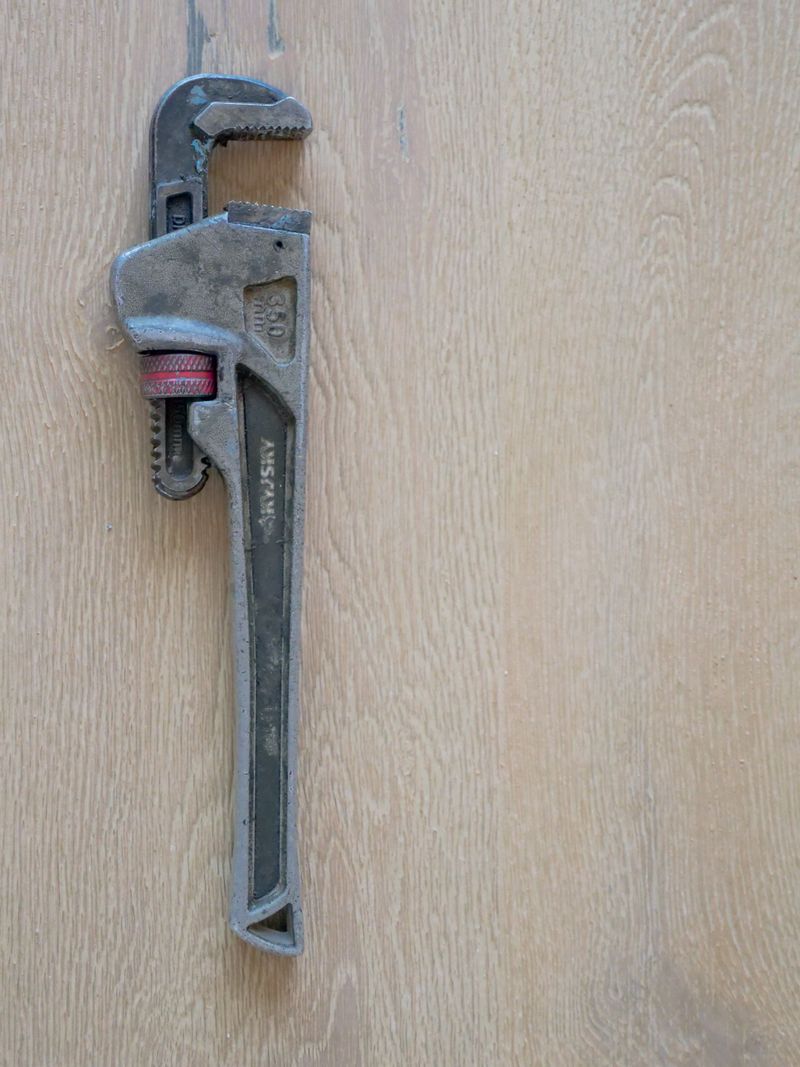
The pipe wrench and the basin wrench are two of the most fundamental tools in plumbing. Every professional plumber owns several of each, sized and styled for different applications. Understanding what distinguishes a great wrench from a mediocre one — and knowing which tool to use in which situation — is the foundation of efficient plumbing work.
This review covers the leading pipe wrenches and basin wrenches on the market, organized by type and brand, so you can choose with confidence.
Understanding Pipe Wrench Types
Not all pipe wrenches are built the same. The style you choose depends on the application.
Straight Pipe Wrench
The most common type. The jaw opens in line with the handle, and the serrated teeth grip threaded pipe as you turn. Used for the vast majority of pipe wrench tasks: assembling and disassembling iron pipe, turning galvanized fittings, working on black iron gas pipe.
Jaw capacity: Typically 1 inch at the 10-inch size, up to 2-1/2 inches at the 24-inch size, and 4 inches at the 48-inch size.
Offset Pipe Wrench
The jaw is angled — usually 45 degrees — relative to the handle. This design allows the wrench to work in cramped spaces where a straight wrench cannot be positioned correctly. Useful for pipes running close to walls or other obstructions.
End Pipe Wrench
The jaw is perpendicular (90 degrees) to the handle, allowing access to fittings in spaces where neither the straight nor offset wrench can reach. Less common but invaluable in the right situation.
Chain Pipe Wrench
Instead of a toothed jaw, a chain pipe wrench uses a heavy-duty roller chain that wraps around the pipe. It applies even pressure around the circumference — ideal for large-diameter pipes, round objects without flat spots, and situations where a standard wrench would slip. Also used on pipes that are too large for standard wrench jaws.
Strap Wrench
Similar concept to a chain wrench but uses a flexible strap (rubber, nylon, or leather) instead of a chain. The strap does not mar the surface, making it the right choice for chrome, polished, or finished surfaces that a toothed wrench would scratch.
Best Pipe Wrenches
Ridgid 31110 — 14-Inch Aluminum Pipe Wrench
Best overall aluminum pipe wrench
Ridgid has been making professional-grade pipe wrenches since 1923, and their aluminum models have become the standard-setter for lightweight performance. The 31110 uses an I-beam aluminum body that matches the strength of cast iron at roughly half the weight — a significant advantage for a tool you carry all day.
Specifications:
- Length: 14 inches
- Jaw capacity: 1-1/2 inches
- Weight: 1.9 lbs
- Material: Aluminum frame, steel jaw and heel
Key features: The I-beam construction prevents flexing under load. The heel jaw and hook jaw are hardened steel, meaning they maintain their grip for years of hard use. The floating hook jaw self-adjusts to keep maximum contact with the pipe throughout the turn — a feature that prevents slipping under load.
Best for: General residential plumbing, working in tight spaces where weight matters, technicians who carry tools by hand.
Buy the Ridgid 31110 on Amazon
Ridgid 31030 — 18-Inch Steel Pipe Wrench
Best heavy-duty steel pipe wrench
When maximum durability and jaw capacity are the priority, Ridgid’s heavy-duty steel wrenches are the benchmark. The 31030 is the go-to wrench for large-diameter pipe and high-torque applications where the aluminum frame would be overkill.
Specifications:
- Length: 18 inches
- Jaw capacity: 2 inches
- Weight: 4.3 lbs
- Material: Cast iron body, hardened steel jaws
Key features: The extra weight of cast iron actually works in your favor on stubborn fittings — the mass helps sustain torque. Ridgid’s I-beam nut design (standard on their wrenches for decades) provides a secure grip on the adjusting nut, preventing it from loosening during use.
Best for: Working on galvanized iron pipe systems, large fittings, commercial applications, situations where maximum jaw strength is required.
Buy the Ridgid 31030 on Amazon
Irwin Tools VISE-GRIP 18-Inch Cast Iron Pipe Wrench
Best value steel pipe wrench
Irwin’s VISE-GRIP pipe wrenches are a long-standing alternative to Ridgid — often found at a lower price with comparable quality. The cast iron body is heavy but strong, and the serrated jaws provide good bite on most pipe materials.
Specifications:
- Length: 18 inches
- Jaw capacity: 2 inches
- Weight: 4.2 lbs
- Material: Cast iron body
Key features: Spring-loaded adjustment nut makes single-handed jaw width adjustment easy. The hook jaw design maximizes pipe contact. Irwin’s wrenches are widely available at hardware stores and online, making replacement parts easy to source.
Drawback: Slightly less refined than Ridgid. The jaw adjustment can feel less precise, and the hook jaw self-adjustment is not as smooth. For occasional DIY use, the difference is negligible. For daily professional use, Ridgid holds the edge.
Buy the Irwin VISE-GRIP Pipe Wrench on Amazon
Stanley 85-806 — 14-Inch Pipe Wrench
Best entry-level pipe wrench for homeowners
Stanley’s pipe wrench is straightforward and affordable — exactly what most homeowners need for occasional pipe work. The cast iron construction is solid, and the jaw adjustment is simple and reliable. It will not see the daily professional abuse that Ridgid handles, but for occasional use, it performs well.
Specifications:
- Length: 14 inches
- Jaw capacity: 1-1/2 inches
- Weight: 2.5 lbs
Best for: Homeowners who need a pipe wrench for occasional repairs and do not want to invest in a professional-grade tool.
Buy the Stanley 85-806 on Amazon
Ridgid 40 — 18-Inch Chain Pipe Wrench
Best chain pipe wrench
Ridgid’s chain wrench handles large-diameter pipe and round objects that standard wrenches cannot grip. The heat-treated alloy steel chain wraps securely and provides even, marring-free grip around the full circumference.
Specifications:
- Length: 18 inches
- Pipe capacity: Up to 5 inches
- Chain length: 9 inches
Best for: Large-diameter galvanized or black iron pipe, round objects, pipes close to parallel surfaces where a standard wrench jaw cannot engage.
Buy the Ridgid 40 Chain Wrench on Amazon
Pipe Wrench Size Guide
| Wrench Length | Recommended Pipe Size | Typical Application |
|---|---|---|
| 10 inches | Up to 1 inch | Small fittings, tight spaces |
| 14 inches | Up to 1-1/2 inches | Standard residential pipe |
| 18 inches | Up to 2 inches | Main lines, large fittings |
| 24 inches | Up to 2-1/2 inches | Commercial, supply mains |
| 36–48 inches | Up to 4–5 inches | Large commercial/industrial |
General rule: The wrench should be at least as long as the pipe diameter times 8. For 1-inch pipe, a minimum 8-inch wrench — but a 14-inch gives better leverage and control.
Best Basin Wrenches
A basin wrench solves a specific problem that no other tool addresses: reaching the mounting nuts that secure faucets to the underside of a sink deck. These nuts sit in a narrow, dark space directly above the sink base — typically 4 to 6 inches above the cabinet floor and 2 to 4 inches back from the front of the cabinet. No standard wrench can reach them effectively.
The basin wrench’s long shaft and swiveling jaw reach up behind the sink, grab the nut, and apply torque from below. The jaw pivots 180 degrees, allowing you to switch between tightening and loosening without repositioning.
Superior Tool 03825 — Basin Wrench
Best overall basin wrench
Superior Tool’s basin wrench is the most frequently recommended option among plumbing professionals and serious DIYers. The telescoping shaft adjusts from 11 to 17 inches, covering faucet installations with deep mounting depths. The spring-loaded jaw pivots smoothly and grips firmly once engaged.
Specifications:
- Shaft length: 11–17 inches (telescoping)
- Jaw capacity: 1 inch to 1-3/8 inches
- Handle: T-bar style for maximum torque
Key features: The T-bar handle provides excellent leverage — significantly better than a simple loop handle. The jaw pivot mechanism is smooth and locks securely in both tightening and loosening positions. The spring keeps the jaw engaged with the nut without requiring constant hand pressure.
Best for: Kitchen and bathroom faucet installation and removal, especially in deep or unusually shaped sink bases.
Buy the Superior Tool 03825 on Amazon
BrassCraft BCSW1 — Sink Wrench
Best basin wrench for comfortable grip
BrassCraft’s basin wrench takes a slightly different ergonomic approach. The handle design provides a comfortable grip that reduces hand fatigue during extended use — a real benefit when you are under a sink in an awkward position struggling with a corroded nut.
Specifications:
- Shaft length: Approximately 14 inches (fixed)
- Jaw capacity: 7/8 inch to 1-3/8 inches
Key features: The comfortable grip handle is the standout feature. The jaw pivots easily and provides firm grip. The shaft is slightly shorter than the Superior Tool but covers the majority of standard faucet installations.
Drawback: Non-telescoping shaft. If your sink base is unusually deep or the faucet mounting nuts are recessed, the Superior Tool’s telescoping shaft gives more flexibility.
Buy the BrassCraft BCSW1 on Amazon
Ridgid 2066 — Faucet and Sink Installer
Best heavy-duty basin wrench
Ridgid brings their characteristically robust design to the basin wrench category. The 2066 is a heavier, more durable tool than either the Superior Tool or BrassCraft options — though that also means more weight to maneuver in tight spaces.
Specifications:
- Shaft length: 16–28 inches (telescoping)
- Jaw capacity: 3/4 inch to 1-1/4 inches
Key features: The extended telescoping range (up to 28 inches) makes this wrench usable in extremely deep installations — useful for commercial sinks or unusually designed residential applications. The Ridgid build quality means this tool will outlast lighter competitors.
Best for: Professional plumbers who need one basin wrench that handles everything. For homeowners, the Superior Tool provides similar capability at a lower price.
How to Use a Basin Wrench
-
Locate the mounting nuts. They sit on the underside of the sink deck, threaded onto the faucet’s supply shanks. Most kitchen faucets have two (hot and cold); some have a third for a sprayer.
-
Adjust the shaft length. Set the telescoping shaft so the wrench head reaches the nut comfortably. You want to be able to rotate the T-bar or handle without your arm hitting the cabinet.
-
Set the jaw direction. The jaw pivot point allows two positions — one for tightening (clockwise), one for loosening (counterclockwise). Position it correctly before reaching into the cabinet.
-
Engage the jaw. Push the wrench head up to the nut, let the jaw spring engage, and apply torque to the handle.
-
Work in short strokes. You will not have room for full rotations. Use short back-and-forth strokes, repositioning the jaw each time it reaches the end of its stroke.
Pro tip: If you are dealing with an old, corroded faucet, spray penetrating oil (such as PB Blaster) up onto the mounting nuts and let it soak for 30 minutes before attempting to loosen them. Corroded plastic or brass nuts can crack under excessive force — the penetrating oil significantly reduces the force required.
Buying Recommendations by Situation
Homeowner with occasional plumbing repairs:
- 14-inch Ridgid aluminum pipe wrench + Superior Tool basin wrench
- Total cost: approximately $55–$80
Serious DIYer or handyperson:
- 14-inch and 18-inch Ridgid aluminum pipe wrenches + Superior Tool basin wrench + Ridgid chain wrench
- Total cost: approximately $120–$160
Professional plumber’s starting kit:
- 10-inch, 14-inch, 18-inch, and 24-inch Ridgid steel pipe wrenches + Ridgid 2066 basin wrench + Ridgid chain wrench
- Total cost: approximately $250–$350
Care and Maintenance
Clean after every use. Wipe down the jaws and handle with a clean cloth. Pipe compound, thread sealant, and grime accelerate wear on the jaw teeth.
Lubricate the adjustment mechanism. Apply a light machine oil to the adjusting nut and the spring mechanism every few months. This keeps the jaw adjustment smooth and prevents the nut from seizing.
Inspect the jaw teeth. Worn or chipped teeth slip and can damage pipe. If the teeth look worn, replacement jaws are available for most Ridgid models as separate parts.
Store properly. Hanging pipe wrenches on a pegboard or tool wall preserves the jaw alignment and prevents the handles from being damaged by other tools.
Conclusion
For pipe wrenches, Ridgid is the clear professional standard — their aluminum line for weight-conscious professionals and their steel line for maximum durability. Irwin and Stanley offer solid alternatives for homeowners who need reliability without the professional price tag.
For basin wrenches, the Superior Tool 03825 is the best all-around choice for both professionals and homeowners. The telescoping shaft, T-bar handle, and smooth jaw pivot mechanism make faucet installation and removal dramatically less frustrating than attempting it with any other tool.
Invest in quality here. A good pipe wrench bought once will outlast a cheap one bought four times.

Flow Control HQ Editorial Team
Independent trade-focused editorial team